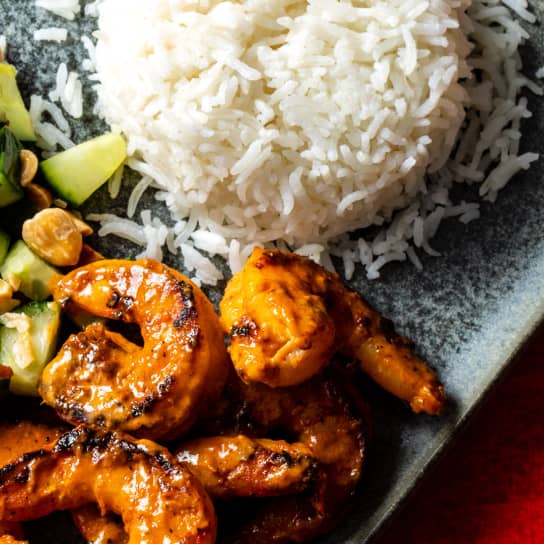
For many in the United States, seasonal cooking means using produce during its natural harvest season. Growing up in a Chinese American household, however, “cooking with the seasons” always meant something entirely different, and it completely changed how I plan my meals during warmer days.
Specifically, in Chinese culture, many foods are believed to have naturally warming or cooling properties. Depending on the season, the ingredients used in the kitchen are adjusted to balance out the body’s natural temperature, with more cooling ingredients eaten during the summer and warming ingredients in the winter. These food’s cooling or warming properties have nothing to do with the actual temperature of the food—raw onion, for example, is considered to be on the high end of the warming scale.
Sign up for the Notes from the Test Kitchen newsletter
Our favorite tips and recipes, enjoyed by 2 million+ subscribers!
The concept stems from the Eastern philosophy of medicine, which often relies on natural remedies; certain herbs are believed to naturally heal the body, such as cooling it down from a fever or bringing up its temperature when the weather is cold. Food became embedded in that philosophy, with certain diets prescribed for certain conditions. Many Chinese home cooks began to carry those concepts into their own everyday meals. These practices and beliefs vary between each household and region—these are based on my own family, who are immigrants from the province of Tianjin in China.
Cooling Ingredients in Chinese Cuisine
Generally, cooling ingredients tend to be low-calorie, watery, or cool-toned in color, although there are exceptions. Common cooling vegetables include most leafy greens, celery, and cucumbers. For fruits, these include watermelons, citrus, and especially pears (whenever I had a fever, my mother would make a sweet soup with Asian pears and rock sugar to help cool down the body). For proteins, seafood and animals with “low mobility” are more prevalently consumed, such as pork.
Warming Ingredients in Chinese Cuisine
On the other hand, warming ingredients are typically higher-calorie, spicy, or warm-toned in color. Traditional warming foods often include deep-fried dishes, red meat, and alcohol. Ginger and yam are used in both cooking and medicine to warm the body, along with alliums like garlic and onion. Warming fruits include durian, peach, cherry, and mango. For meat, “high-mobility” animals like chicken, beef, and lamb are consumed.
Neutral Ingredients in Chinese Cuisine
Luckily, some foods can be eaten year-round; many Chinese staple ingredients happen to be “neutral,” meaning they don’t have any strong cooling or warming properties. These include rice, potatoes, and sesame seeds. These foods can be eaten during any season, and many have thus become the building blocks of Chinese cuisine.
Properties of Foods According to Chinese Culture
| Warming | Cooling | Neutral |
|---|---|---|
FruitsCherriesRed dates/jujubesLycheesPeaches | FruitsCitrusPearsMelonsGrapes | FruitsFigsOlivesApplesStrawberriesAvocados |
VegetablesAlliums (including leeks, chives, onions, spring onions, garlic)PumpkinsChilesGinsengGinger | VegetablesLeafy greens (bok choy, lettuce, cabbage, spinach)CeleryCucumbersEggplant | VegetablesCarrotsCornPotatoesMushroomsTaro |
Grains/SpicesNutsCinnamonMustardPepperRed beansBrown sugar | Grains/SpicesBuckwheatBarleyMung beansSoybeansCilantro/corianderMint | Grains/SpicesRiceSesame seedsSunflower seedsPeanutsWhite sugar |
ProteinsBeefChickenLambVenison | ProteinsCrabOystersShrimpDuckPorkTofu | ProteinsMilkFish |
Beverages/CondimentsBlack teaGinger teaPu’er teaWine/spirits | Beverages/CondimentsChamomile teaChrysanthemum teaGreen teaPeppermint tea | Beverages/CondimentsHoneyPure waterDairy drinks (yogurt, yakult, kefir) |
While most modern-day households are less strict about these practices, many Chinese and Chinese American cooks still weave the philosophy into their cooking. My mother, for one, will cook most ingredients year-round but still reserves certain foods for only the winter or summer. Mung bean, for example, is considered a cooling legume—instead of buying popsicles for the summer, I recall my mother making big batches of cold mung bean porridge. On particularly hot days, my family and I would gather on the porch and sip it from large bowls.
If you’re looking for a new way to balance your meals, try taking this philosophy out for a spin. Even though it’s based on ancient practices, the concept of cooling and warming ingredients certainly helps me be more mindful of my cooking throughout the seasons. Plus, it makes picking produce at the grocery store a lot more fun.