

This is Technique #24 from our 100 Techniques Every Home Cook Can Master.
Each technique is broken into three sections: why it works, key steps, and recipes that use it. Learn these recipe building blocks and you'll be set up for a lifetime of cooking success.
While deep frying creates super crispy crusts and moist-on-the-inside results, it can seem intimidating and decadent. Shallow frying, on the other hand, uses much less oil and can be done in a skillet.
You don’t want to shallow-fry french fries or egg rolls, but it’s ideal for foods that don’t need complete immersion in oil such as thin or small proteins, vegetable fritters, and even doughnuts.
Shallow-Fry Means Less Mess
This is great news for home cooks, because shallow frying is much more manageable than deep frying. This technique involves cooking food in a small amount of oil—generally 1⁄4 to 3⁄4 inch deep—so that the food is only partially submerged. Flipping it part way through cooking ensures even doneness.
For Best Results, Fry in Batches
One of the main challenges (of any type of frying) is making sure that the food cooks all the way through while the exterior browns and crisps simultaneously, all without becoming greasy. The most important factor is making sure you fry using oil that is in the correct temperature range (which we specify in our recipes).
Cooking in batches to avoid overcrowding helps ensure the oil temperature stays in the correct range. Letting the oil come back up to temperature between batches of food is also critical. (This won’t take long when shallow frying, since one of the technique’s advantages is that, with less oil to contend with, the oil heats for subsequent rounds more quickly.)
Sign up for the Notes from the Test Kitchen newsletter
Our favorite tips and recipes, enjoyed by 2 million+ subscribers!
Recommended Equipment
We strongly suggest using an instant-read thermometer for the best results, but if you don’t have one, add a pinch of panko to the hot oil: When the bread crumbs turn brown, it’s time to fry. Because of their high smoke points, we favor vegetable (or corn) oil or peanut oil for shallow frying.
A cast-iron skillet is great for shallow frying because of its high sides and excellent heat retention. But you can also successfully use a regular nonstick skillet or even a Dutch oven (which minimizes splattering).
To keep your shallow-fried foods nice and crisp while successive batches cook, be sure to drain them on paper towels on a wire rack set in a rimmed baking sheet, keeping this setup in a low oven so that the food stays warm until you’re ready to serve.
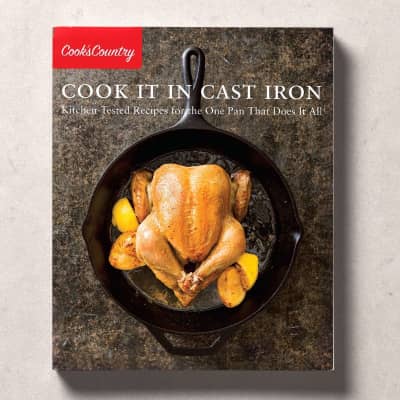
Cook It In Cast Iron
Discover 120+ foolproof recipes along with innovative test kitchen techniques for the one pan that does it all. Includes full-color recipes and step-by-step photos that show you exactly how to succeed.
Buy NowStep By Step: How to Shallow Fry
If you follow these simple steps, whether you’re frying a savory fritter or a sweet drop doughnut, you will finish with a perfectly golden crisp exterior and tender interior every time.
Step 1: Heat Your Oil

Add oil to wide, deep skillet and heat to specified temperature.
Step 2: Add Food in Batches

Carefully add small batch of food to hot oil, being careful not to crowd skillet or let food clump together. Adjust burner, if necessary, to maintain oil temperature.
Step 3: Flip Food Halfway Through Cooking

Turn or flip food halfway through cooking to ensure all sides turn golden brown, cook evenly, and don’t stick together.
Step 4: Drain, Reheat Oil, Repeat

As food finishes, transfer to paper towel–lined wire rack set in baking sheet to drain. Return oil to correct temperature before frying remaining batches. Keep finished food warm on rack in low oven while frying remaining batches.
Watch Cook's Country's Lawman Johnson demonstrate how to make Crispy Vegetable Fritters.
Recipes That Use This Technique
Want to put your newfound knowledge of shallow frying to use? Try it with these recipes.

Crispy Vegetable Fritters
Shred vegetables, mix into batter, fry—could crispy fritters really be that easy?
Get the Recipe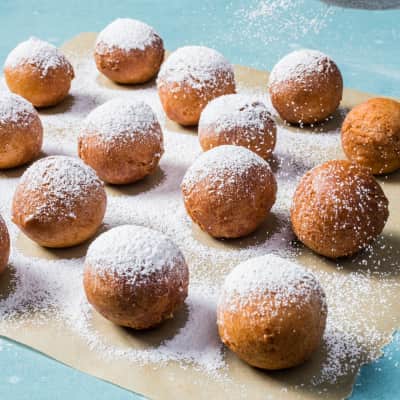
Drop Doughnuts
For quick, tender cake-style doughnuts, we first did away with rolling and stamping out the dough into rings.
Get the Recipe
Bean and Beef Taquitos with Avocado Sauce
Shallow frying is the key to making crispy, tightly rolled taquitos.
Get the Recipe
Sweet Potato Fritters with Cheddar and Chipotle
We love mashed sweet potatoes and sweet potato fries. Could we create a delicious mash-up of the two?
Get the Recipe
Spicy Fried Chicken Sandwiches
Shallow-frying the chicken in a covered skillet makes quick and clean work of this crispy sandwich stuffer.
Get the RecipeReady to learn another technique? Choose from our list of 100 Techniques Every Home Cook Can Master.