

This is Technique #2 from our 100 Techniques Every Home Cook Can Master.
Each technique is broken into three sections: why it works, key steps, and recipes that use it. Learn these recipe building blocks and you'll be set up for a lifetime of cooking success.
Flowers aren’t the only things that bloom: To make flavors blossom and flourish, we’ve long advocated blooming spices and certain herbs in oil or other fat before adding liquid to the cooking pot. This one simple step immediately and effortlessly provides a huge payoff in terms of flavor and aroma in the finished dish.
Sign up for the Notes from the Test Kitchen newsletter
Our favorite tips and recipes, enjoyed by 2 million+ subscribers!
How Blooming Works
Simply put, blooming uses heat to awaken the dormant flavors of spices by cooking them in fat before proceeding with a recipe.
Spices contain a host of flavor compounds that give them their character and complexity. Many of these flavor compounds are fat-soluble, so briefly cooking the spices in fat changes these fat-soluble flavor molecules from a solid state to a liquid one. In a liquid state, they can more effectively interact with other ingredients in the dish to create more intense and complex flavors. Since you’d need to add the spices to the pan at some point anyway, it doesn’t amount to any extra work.

What Dishes Benefit From Blooming Spices?
Spice blends or dishes that use multiple spices particularly benefit from the blooming technique; for example, dishes from the cuisines of Mexico, the Middle East, North Africa, and India. If you’ve ever made a curry or a chili, you may have bloomed spices without even realizing it.
Just dumping and stirring a curry paste or a mix of powdered spices into the pot will result in a curry or a chili with a bland, musty flavor or texture, but cooking the curry powder or paste or the chili powder in fat before introducing other ingredients will bring out its warm notes and multi-layered flavors.
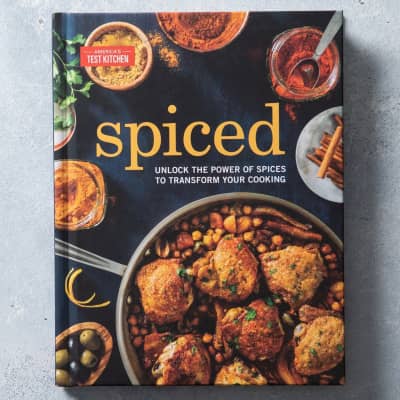
Spiced
There's a world of possibility hidden in your pantry! Discover how to use spices to amp up the flavor of your food and get foolproof recipes that put these simple techniques to work.
Save NowHow Long Does It Take to Bloom Spices?
Blooming isn’t typically a long process. Ground spices and spice pastes bloom at different rates, so depending on the dish and the ingredients, it can take anywhere from 30 seconds to several minutes. Do be careful not to apply too much heat to your spices or heat them for longer than recommended; ground spices will burn fairly quickly, resulting in a scorched flavor in your finished dish.
Watch how quickly our test cook blooms the spices for this flavorful Chana Masala.
Step by Step: How to Bloom Spices
Now that you understand why blooming is so important, here are the key steps for implementing the process in your next dish.
Step 1A: To Bloom Dry Spice Blends, Sauté in Fat

First sauté any fresh aromatics, such as onions, in fat in cooking vessel. Stir spice blend into fat and cook until fragrant; this generally takes only a minute or two, depending on recipe.
Step 1B: To Bloom Spice Pastes, Add to Shimmering Fat

Heat fat in cooking vessel until shimmering, then add spice paste and cook, stirring, until fragrant and darkened in color. This can take several minutes, typically longer than for a dry spice blend.
Step 2: Build Sauce

Add other saucy ingredients and bring to simmer to meld flavors of sauce together.
Step 3: Add Remaining Ingredients

Add protein, vegetables, or other ingredients and cook as directed.
Step 4: Finish with Fresh Herbs

Finish dish with additional fresh seasonings.
Recipes That Use This Technique
Test your newfound knowledge of blooming spices with these recipes.
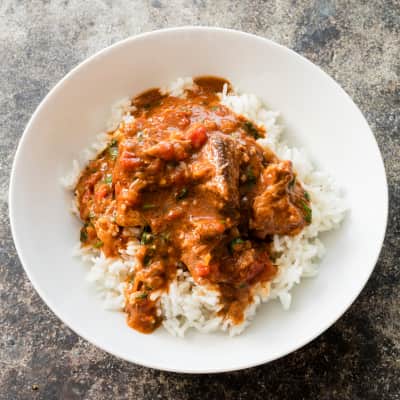
Lamb Vindaloo
If you're familiar only with mild Indian curry powder and yellow-tinted stews made with it, let us introduce you to something a bit more spicy: vindaloo.
Get the Recipe
Panang Curry with Shrimp
Panang curry is a sweeter, more full-bodied version of Thai red curry that's often enriched with ground peanuts and seasoned with sugar, fish sauce, deeply fragrant makrut lime leaves, and a touch of fiery chile.
Get the Recipe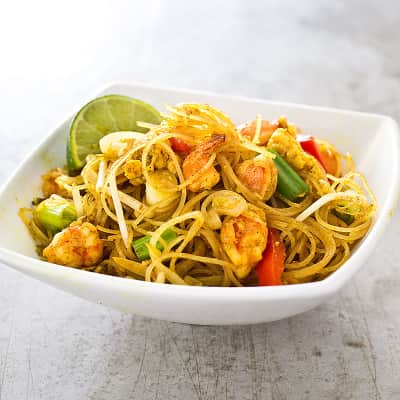
Singapore Noodles
The trademark of Singapore noodles is its bold curry flavor, but all that curry powder creates a dusty texture. We bloom the curry powder in oil to smooth things out.
Get the Recipe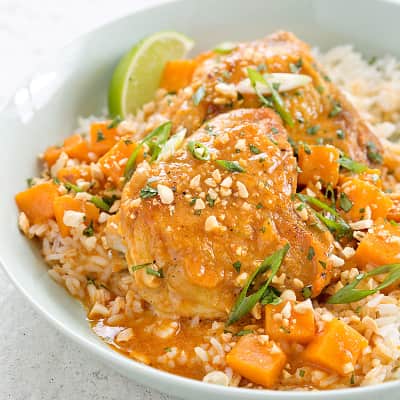
Thai-Style Chicken and Sweet Potato Curry
Blooming the spices in the fat rendered from the chicken helps unify the diverse flavors of this weeknight dish.
Get the RecipeReady to learn another technique? Choose from our list of 100 Techniques Every Home Cook Can Master.