

This is Technique #6 from our 100 Techniques Every Home Cook Can Master.
Each technique is broken into three sections: why it works, key steps, and recipes that use it. Learn these recipe building blocks and you'll be set up for a lifetime of cooking success.
To make tangy, crisp, flavor-packed pickles without having to turn to special canning equipment, work with bushels of produce, or wait weeks to enjoy the fruits of your labor, look to quick pickling, which provides (nearly) instant pickle gratification.
The Two Basic Types of Pickles
There are two basic types of pickles: vinegar pickles and fermented pickles. Vinegar pickling simply involves the process of “cooking” vegetables using an acidic brine that quickly penetrates the vegetables, transforming them into crunchy-firm, tangy pickles.
Fermented pickles, on the other hand, sit for days or weeks to develop beneficial bacteria that contribute to the pickling process and develop flavor compounds.
Sign up for the Notes from the Test Kitchen newsletter
Our favorite tips and recipes, enjoyed by 2 million+ subscribers!
How Are Quick Pickles Different?
Quick pickles are a category of vinegar pickles that are not processed by a canning method for long-term storage; in addition to being faster, this keeps them crunchier. Nearly any vegetable can be quick pickled: Simply cut your vegetables into small or thin pieces (which better facilitates speedy absorption of the brine), pour a hot brine over them, let cool, and then refrigerate for a couple of hours before serving.
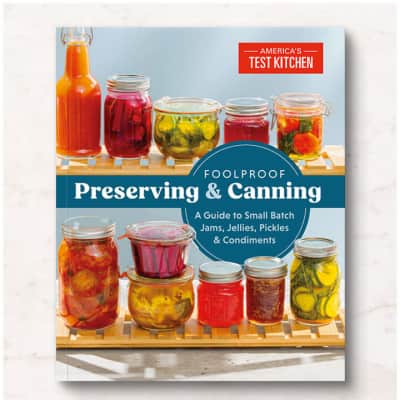
Foolproof Preserving & Canning
Get 110 reliable recipes (with step-by-step photos) across a wide range of categories, from sweet jams and jellies to savory jams and chutneys, pickles, vegetables, fruit in syrup, condiments, and more.
Save NowHow to Prevent Unsafe Microbes
No matter what kind of pickle you are making, acidity and salt play important roles in preservation, since both of these create inhospitable environments for bad microbes. But, since quick pickles are typically made in small batches and intended to be enjoyed within a short time frame, you don’t have to worry about long-term food safety in quite the same way you do with fermented or canned pickles.

Roots and Branches Stainless Steel Multi-Use Canner
A canning pot is an essential tool for large-batch home canning. These pots are typically around 20 quarts—almost twice the size of standard 12-quart stockpots. They should be broad and deep enough to hold a rack (to elevate the jars from the pan floor), a range of jars, and enough water to cover the jars by at least 1 inch.
Save NowStep by Step: How to Quick Pickle Vegetables
Here are the key steps to turn most vegetables into same-day pickles.
Step 1: Prepare Vegetables

Prepare vegetables to be pickled; smaller or thinner pieces will pickle more quickly.
Step 2: Prepare Brine

Combine brine ingredients in saucepan and bring to boil.
Step 3: Prepare Jar(s)

Prepare storage jar for hot brine by running under hot water (this will prevent cracking).
Step 4: Add Brine

Pack vegetables into jar and pour hot brine over to cover vegetables.
Step 5: Cool Before Serving

Let cool, then cover and refrigerate for a couple of hours before serving.
Recipes That Use This Technique
Test your newfound "quickling" knowledge with any of these recipes.

Quick Pickled Carrots
These quick-pickled carrot sticks are a cinch to put together and are ready to enjoy in just 3 hours.
Get the Recipe

Quick Pickled Chard Stems
Don't throw away your Swiss Chard stems, pickle them instead.
Get the Recipe
Quick Sweet Pickled Rhubarb
Once you try them, you’ll be putting these rhubarb pickles on everything.
Get the RecipeReady to learn another technique? Choose from our list of 100 Techniques Every Home Cook Can Master.