

This is Technique #12 from our 100 Techniques Every Home Cook Can Master.
Each technique is broken into three sections: why it works, key steps, and recipes that use it. Learn these recipe building blocks and you'll be set up for a lifetime of cooking success.
For a liquid to morph into a delectable sauce, it must be thickened. Some types of sauces, like tomato sauce, thicken naturally as they cook and moisture evaporates. Others, like the béchamel for a cheesy pasta dish, need a little help before they can become thick enough to cling to food. That’s where roux takes charge.
What Is a Roux and How Is It Made?
The gentle thickening power of flour is the ideal choice for such sauces in long-simmered or baked dishes, where a thickener such as cornstarch would turn the sauce gummy and gelatinous.
Making a roux basically involves cooking flour and fat together before adding the liquid that you want to thicken. The goal of the first step is twofold: to cook the raw, starchy flavor out of the flour and to coat the flour granules with the fat in order to create a smooth paste and to keep the particles separate so they will disperse evenly in the liquid and not aggregate into dry lumps.
Sign up for the Notes from the Test Kitchen newsletter
Our favorite tips and recipes, enjoyed by 2 million+ subscribers!
The Different Types of Roux
In French cooking, roux is often cooked only briefly, to a white, blond, or light brown shade. Butter is often the fat of choice. In Southern cooking (particularly Cajun and Creole), roux is cooked for a much longer time, to a much darker brown, in order to add a toasty, nutty flavor to dishes. In this case, oil (or bacon fat!) is typically employed.
The darker the roux, the more pronounced its flavor, but the darker it gets, the more compromised its thickening power becomes—so it’s important to cook roux to the specified color.
Cook the white roux for a béchamel in mac and cheese or soufflé for too long and it won’t have the proper thickening power or structural integrity—your pasta will be soupy or your soufflé won’t rise. And if you shortchange the cooking time for the dark roux in a Louisiana gumbo recipe, you’ll end up with a gluey, gloppy dish without that deep flavor that characterizes gumbo.
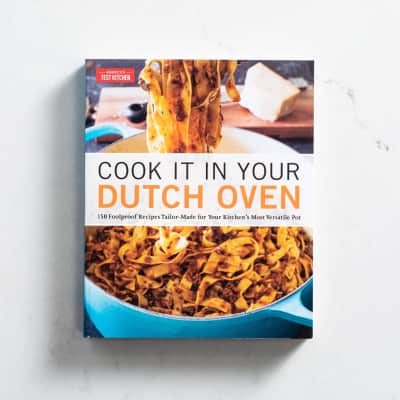
Cook It In Your Dutch Oven
Many home cooks own a Dutch oven, but often these prized pots get relegated to the back of the cabinet, to be pulled out only for making stews. Learn how you can put your Dutch oven to work every day in so many different ways.
Save NowWhat Is a Dry Roux?
A Southern-style dark brown roux traditionally takes an hour of hands-on cooking time. Using a renegade technique, we developed a streamlined, hands-off “dry roux.” We toasted flour, without fat, in the oven until it turned dark brown. Since there’s no fat, this would be difficult to incorporate into a recipe without clumping, so we first whisk it with a bit of liquid before adding it to the pot.
A dry roux is the foundation of our Chicken and Sausage Gumbo.
Step by Step: How to Make Roux
Here are the steps to build a successful light or dark roux with all of the flavor and less work.
Step 1A: For Light Roux, Whisk

Melt butter in saucepan over medium-low heat. Whisk in flour until no lumps remain.
Step 2A: Thicken

Gradually whisk in liquid, increase heat to medium, and bring to boil, stirring occasionally. Reduce heat to medium-low and simmer for another minute to thicken.
Step 1B: For Dry Dark Roux, Bake

Spread flour in skillet and bake at 425 degrees until desired color is reached, stirring occasionally and with increased frequency toward end of cooking.
Step 2B: Stir in Broth

Transfer to medium bowl and let cool. In increments, whisk broth into toasted flour until smooth, batter-like paste forms.
Step 3B: Add Roux to Recipe

When ready to use, whisk roux into recipe in increments, making sure each addition is incorporated before whisking in the next.
Recipes That Use This Technique
Use your newfound roux-making knowledge with any of these recipes.

Chicken and Sausage Gumbo for Two
You can’t make great gumbo without a long-cooked roux. Or can you?
Get the Recipe
Creole-Style Shrimp and Sausage Gumbo
After making almost 75 gumbos, we perfected a method that cuts the stirring time in half while avoiding a separated roux, a common but hard-to-solve problem.
Get the Recipe
Shrimp Étouffée
This bayou staple is all about a deep, complex roux, and fresh, sweet seafood.
Get the Recipe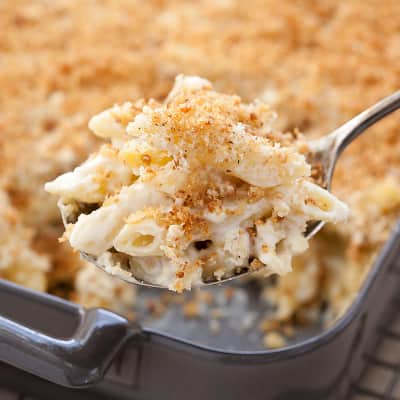
Creamy Baked Four-Cheese Pasta
Tired of greasy, heavy pasta casseroles with stringy cheese and mushy noodles? We set out to make a creamy casserole with great flavor, properly cooked pasta, and a crisp bread crumb topping.
Get the RecipeReady to learn another technique? Choose from our list of 100 Techniques Every Home Cook Can Master.