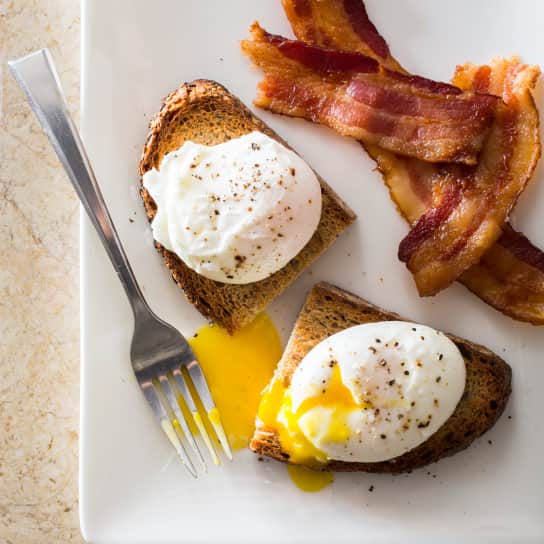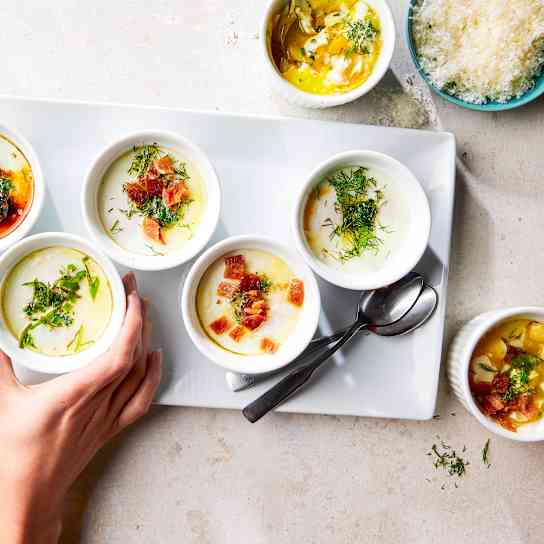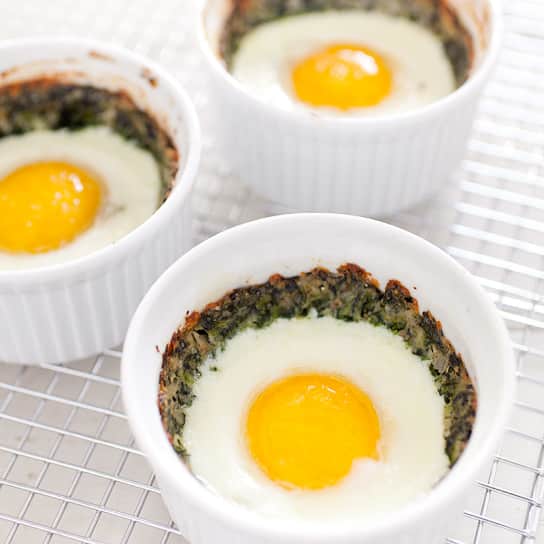
Maybe you’ve separated and used egg whites for meringues, impressive pavlovas, or a heart-healthy omelet. Or perhaps you’ve embarked on a baking project.
Whatever the reason, you might have some extra yolks to put to good use.
Though it can be tempting when separating an egg to simply throw out the part you don’t need, when you throw out egg yolks you’re throwing out a whole host of flavor-packed possibilities.
From rich custards and velvety sauces to luxurious pastries and silky pasta, here are eight ideas for what to do with extra egg yolks.
Sign up for the Cook's Insider newsletter
The latest recipes, tips, and tricks, plus behind-the-scenes stories from the Cook's Illustrated team.
1. Cook a Roman-Style Pasta
Both Spaghetti Carbonara and Pasta alla Zozzona (Cook’s Illustrated’s most popular recipe of 2023) have a sauce that is creamy but not greasy due to egg yolks whisked in alongside Pecorino Romano. When making these pastas we temper the yolks and cheese with some warm pasta water to turn everything into a plush sauce that thickens and takes on a glossy sheen. Beyond their sumptuous mouthfeel, egg yolks also contribute to these pasta’s structure, helping to bind the sauce together and coat each strand of pasta evenly.

Pasta alla Zozzona
An unorthodox union of carbonara and Amatriciana, pasta alla zozzona is peak decadence.
Get the Recipe2. Make Your Own Condiments
WIth just a few yolks, you can make homemade, improved versions of your favorite store-bought condiments. Homemade condiments offer a distinct advantage over store-bought varieties due to their customizable nature and fresher ingredients. Plus, the satisfaction of creating something from scratch and tailoring it to your own liking adds an extra layer of enjoyment to spreading mayonnaise on a sandwich or dipping vegetables in a lemony aioli.

3. Whip Up a Rich Tart
For a creamy, dense, and vibrantly yellow lemon tart, we use a combination of whole eggs and egg yolks. We cook the curd over direct heat and then whisk in cold butter. And for a smooth, light texture, we strain the curd. We apply a similar technique when making our Milk Chocolate Crémeux Tart, straining the chocolate custard for a silky-smooth texture and then placing the tart in the fridge to chill and firm up.

Milk Chocolate Crémeux Tart
This crisp, elegantly slim, and shockingly simple pâte sucrée crust should be in every baker's back pocket.
Get the Recipe4. Knead Eggy Fresh Pasta
Traditional methods for making fresh pasta require a rolling machine to process a sturdy dough into thin sheets. But for pasta that could be easily rolled out by hand (but still cook up into delicate, springy noodles), we created a more tender, workable dough by adding six extra egg yolks and a couple tablespoons of extra-virgin olive oil.
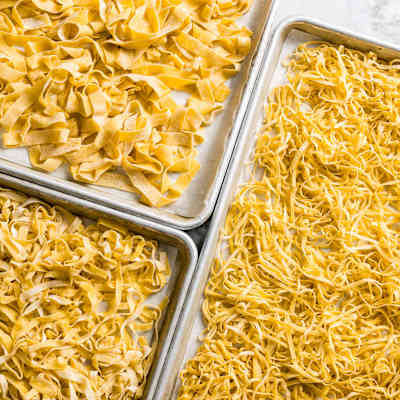
Fresh Pasta
Rolling out pasta by hand is fun—and it produces beautifully tender, tasty noodles every time.
Get the Recipe5. Whisk an Emulsified Sauce
Emulsions combine something that is already delicious— fat—with a water-based ingredient to create something even better (think mayonnaise, butter, and cream—all emulsions). And egg yolks are one of nature’s top-notch emulsions—a creamy mixture of water, protein, and fat (a full 34 percent!).
When it comes to making silken sauces that don’t split, egg yolks are a commonly used emulsifier that can produce an incredible homemade Caesar dressing, foolproof hollandaise, or buttery béarnaise
.
Or, you can use just egg yolks to make a phenomenal runny egg yolk sauce that is pasteurized and perfectly thickened to drizzle on toast or a burger.

Blender Béarnaise Sauce
This herby, creamy sauce is easy to make and elevates any steak.
Get the Recipe6. Bake Luscious Custards
Egg yolks are prized for their rich flavor and luxurious texture, making them the star ingredient in creating lush custards. Take, for instance, the classic French dessert, crème brûlée, where egg yolks are gently whisked with cream and sugar to form a luscious custard base. The yolks lend a velvety smoothness and a vibrant yellow hue to the custard, elevating its decadence to unparalleled heights.
A similar technique is employed in Pastéis de Nata (Portuguese Egg Tarts), where egg yolks are crucial for achieving the creamy consistency and delicate flavor that define this beloved treat.
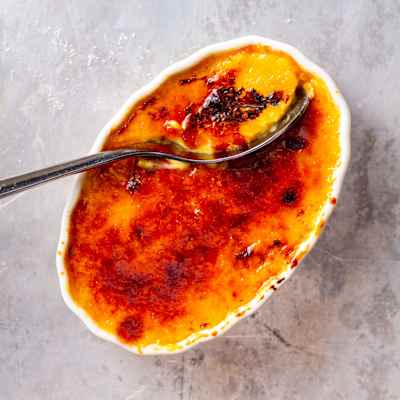
Crème Brûlée
For an easier version of this restaurant staple, we eliminated the tricky water bath.
Get the Recipe7. Cure the Yolks
Any chef knows that transforming cheap and readily available ingredients into something special is a work of art. One of the best examples of this is the salt-cured egg yolk. The process is unbelievably easy: Separate yolks, pack in salt and sugar, wait, rinse, dry in the oven, and use. Cured yolks can quickly add savory depth and complexity to a wide range of foods—soups, salads, and pastas. You can even make a bonito and black pepper version, or try wet-curing egg yolks in a soy sauce solution or bourbon.

Salt-Cured Egg Yolks
You’ll want to grate this game-changing pantry staple on everything.
Get the Recipe8. Churn Homemade Ice Cream
Though there are several styles of ice cream, we love employing the “French-style” ice cream technique, which has a custard base relying on egg yolks. When combined with cream, milk, and sugar, the egg yolks contribute to the smoothness and stability of the ice cream. The yolks contain emulsifiers and proteins that help bind the ingredients together and prevent the formation of ice crystals, resulting in a smoother, creamier texture. Try our standard vanilla ice cream recipe, or branch out and try a chocolate or strawberry.

Vanilla Ice Cream
The very best ice cream is made with egg yolks, but, for optimum flavor, cut back on the cream and sugar.
Get the RecipeHow to Store Leftover Egg Yolks
According to the U.S. Department of Agriculture, raw egg yolks can be stored in the fridge (in an airtight container) for two to four days.
But unlike storing leftover egg whites, freezing yolks for future use isn’t as easy as popping them in the freezer. When frozen, the water in the yolks forms ice crystals that disrupt the protein network, causing them to cluster together in tight groups that don’t easily come apart, even once the yolks return to room temperature.
Adding sugar syrup (2 parts sugar to 1 part water) allows yolks to be frozen because it interferes with ice-crystal formation and prevents proteins from clumping. To do this, stir a scant ¼ teaspoon of syrup per yolk into yolks before freezing. Defrost and use in items such as madeleines, custards, and flans.
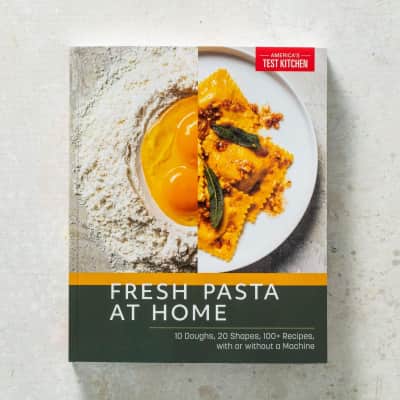
Fresh Pasta at Home
Turn homemade pasta into your new favorite kitchen hobby with foolproof methods. You can make incredible pasta (of any shape!) from scratch using the test kitchen’s rigorously tested techniques.
Buy Now