In the absence of gluten’s structural power, leaveners become absolutely critical in creating the necessary amount of lift and browning in baked goods. Many of our gluten-free recipes rely on multiple leaveners and, in some cases, in comparatively large quantities. Binders such as xanthan gum, guar gum, and psyllium husk are essential for replacing structure typically provided by gluten.
Sign up for the Notes from the Test Kitchen newsletter
Our favorite tips and recipes, enjoyed by 2 million+ subscribers!
Baking Soda
Containing just bicarbonate of soda, baking soda provides lift to cakes, muffins, and other baked goods both traditional and gluten-free. When baking soda, which is alkaline, encounters an acidic ingredient (such as sour cream, buttermilk, or brown sugar), carbon and oxygen combine to form carbon dioxide. The tiny bubbles of carbon dioxide then lift up the dough. In addition to lift, baking soda helps cookies spread and improves browning in everything from cornbread to fried chicken.
Where to Store It: Pantry
Baking Powder
Baking powder creates carbon dioxide to provide lift to baked goods. Cooks use baking powder rather than baking soda when there is no natural acidity in the batter. The active ingredients in baking powder are baking soda and an acidic element, such as cream of tartar. It also contains cornstarch to absorb moisture and keep the powder dry. These three ingredients are naturally gluten-free, so there should be nothing to worry about in theory. However, wheat starch is sometimes used in place of the cornstarch, so make sure to check the ingredient list on the nutritional label when buying baking powder.
Also note that some brands may be produced in a facility that also processes wheat, and, if this is the case, this information will also be noted on the label. We have had good luck using Rumford and Clabber Girl brands, both of which are gluten-free. As with baking soda, baking powder is sometimes added to savory breaded or fried coatings for improved texture and chew. Learn more in our baking powder review.
Where to Store It: Pantry

How Can It Be Gluten Free Cookbook Collection
Two landmark cookbooks in one—the New York Times best-selling How Can It Be Gluten-Free Cookbook and How Can It Be Gluten-Free Cookbook: Volume 2.
Save NowGuar Gum
A powder derived from the ground endosperm of guar seeds, guar gum is high in fiber so it is often sold as a laxative. It works like xanthan gum in adding structure and thickening, although it does impart a slightly starchy texture to baked goods. We prefer to use xanthan gum rather than guar gum, but the two are interchangeable in most recipes.
Where to Store It: Pantry
Nonfat Milk Powder
This shelf-stable dehydrated dairy product is in our all-purpose gluten-free flour blend. It’s helpful in gluten-free baking because it acts as an emulsifier, which contributes to structure by helping proteins and starches hydrate more readily so that they can then swell and form networks more effectively. It also helps gluten-free flours become more compatible with fat. It also adds dairy flavor, and the lactose sugar and milk proteins help with browning.
Where to Store It: Pantry
Powdered Psyllium Husk

Psyllium seed husk powder is one of the major components of Metamucil and Colon Cleanse. Its chemical composition is similar to that of xanthan gum, but it has a higher viscosity, so it is able to bind water even more effectively. We have found that psyllium interacts strongly with the proteins in gluten-free flours, creating a sturdy network capable of holding in lots of gas and steam during baking, and it provides a strong enough structure to support highly leavened bread once the bread cools, like our Gluten-Free Cinnamon-Raisin Bread. It adds wheat flavor that works well in breads where “whole-wheat” flavor is appropriate.
We tested a number of widely available brands of powdered psyllium husk and found their performance varied. Two brands, Yerba Prima and The Vitamin Shoppe, turned the breads a purplish gray; however, this did not affect the flavor of the breads. We did find that the texture of the breads varied across the brands of psyllium husk used; some breads did not rise as well and therefore were denser, while others were a bit more wet and gummy. We had the best luck using Now Foods Psyllium Husk Powder.
Where to Store It: Pantry
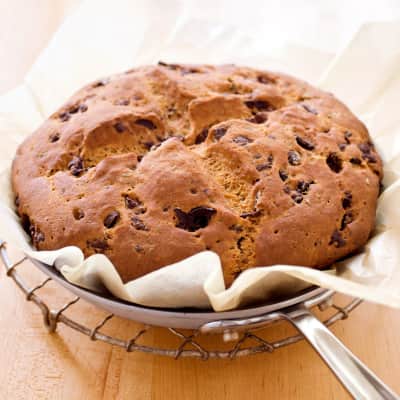
Gluten-Free Olive-Rosemary Bread
We used our Hearty Country Flax Bread as a starting point for this recipe. While we liked the earthy flavor of ground flax in the country bread, it clashed with the olives and rosemary. We had better results when we replaced the ground flax with milder-tasting oat flour.
Get the RecipeXanthan Gum

Made by using the microorganism Xanthomonas campestris to ferment simple sugars, xanthan gum is used widely as a thickener and stabilizer in commercial products like prepared salad dressings and toothpaste. It serves many roles in gluten-free baking. Because gluten-free flours have less protein than wheat flours and are not capable of forming the same network required to stretch and surround starch granules, they need reinforcement. Xanthan gum strengthens these networks and also makes them more elastic. Essentially, adding xanthan gum is like adding glue to the proteins in gluten-free flour. It also increases the shelf life of baked goods. Yes, xanthan gum is expensive, but you only need a little bit.
Where to Store It: Refrigerator or freezer
Yeast

In many of our gluten-free recipes, we call for instant or rapid-rise yeast, which, unlike active dry yeast, does not require proofing. However, we found that by proofing it, the yeast got to work even faster, which was key when getting many of our gluten-free breads to rise faster and taller. To substitute active dry yeast for instant yeast, use 25 percent more active dry yeast and follow the proofing instructions in the recipe. For example, if the recipe calls for 1 teaspoon of instant yeast, use 1¼ teaspoons of active dry. Learn more about yeast types here.
Where to Store It: Refrigerator (and pay attention to the expiration date)
Find more ingredient recommendations in these guides to gluten-free pantry staples: