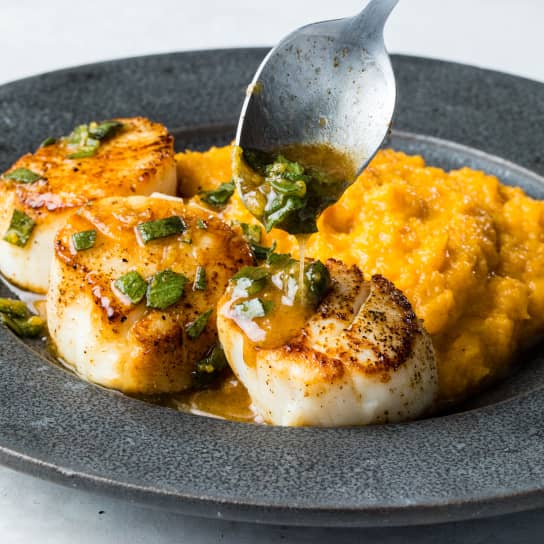

It’s dinnertime, and you’re staring blankly at the pantry until you spot the canned tuna—your lifeline. Anyone who keeps tinned seafood on hand knows that it’s the ultimate box-checker: protein-dense, fully cooked, shelf-stable, flavorful yet remarkably adaptable, and relatively inexpensive.


Sign up for the Cook's Insider newsletter
The latest recipes, tips, and tricks, plus behind-the-scenes stories from the Cook's Illustrated team.
The only hurdle is monotony, but that’s where this three-pack of recipes comes in. Each one is geared for the weeknight hustle, built with condiments, spices, and basic pantry products and produce that you probably already have but maybe haven’t thought to combine—including the rich, briny infused oil that is the bonus perk of working with oil-packed tuna.
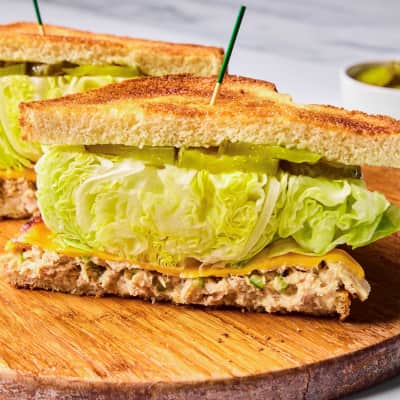
Plus, each of these is a nutritionally complete meal that can be on the table in under an hour. From the mile-high, refreshingly crunchy tuna melt to the tahini-rich quinoa grain bowl with lemony cucumber-tomato salad to the pesto-inspired pasta that pops with sweet green peas and snappy olives, there’s something for everyone.
In the Can

Americans consume roughly 1 billion pounds of canned tuna every year, and the range of options keeps growing. Here are the traits we look for.
Vessel: Cans or jars
Tuna packed in flexible pouches tends to get smashed, which breaks up the appealingly large pieces. Metal cans and glass jars offer more protection.
Style: “Solid” or “fillets”
Both “solid” tuna and tuna “fillets” are cut into large, meaty pieces. The former is typically packed into a can in a single layer; the latter is packed into a jar as thick rectangular slabs. Both are more satisfying than the smaller, chalkier flakes of “chunk”-style tuna.
Packing liquid: Olive oil
Packing tuna in oil lubricates the meat, offsetting the perception of dryness and enhancing silky texture. Olive oil’s brightness complements the fish more than neutral vegetable oils, and the tuna-infused oil can be added to whatever you’re making to boost richness and flavor.
Harvest Method: “Pole” or “line caught”
The terms refer to tuna caught one by one on traditional fishing lines, rather than captured in nets. It’s considered one of the most sustainable methods because it avoids destructive bycatch of unwanted species, and some seafood experts believe that it leads to tuna with better flavor and texture than netted fish, which can be stressed and damaged during harvest.

Tahini-Tuna Quinoa Bowl
Everyone’s favorite tinned fish has more range than you’d think.
Get the Recipe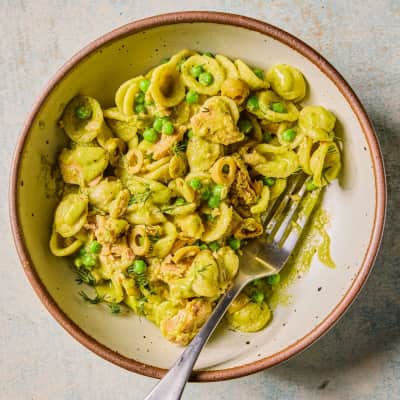
Green Pea Pesto Tuna Pasta with Olives and Dill
Shake up your tinned fish routine with this easy weeknight recipe.
Get the Recipe