


So much of beef chow fun’s appeal is right in front of you.
Fresh from the wok, the universally adored Cantonese stir-fry is a glistening jumble of sliced beef, bean sprouts, onions, and scallions, all tangled in the folds of ho fun—the broad, chewy fresh rice ribbons that are this dish’s hallmark noodle.
The inky, soy-based sauce that’s drizzled into the mix just before serving lightly glazes the wok’s contents, burnishing the ivory strands like lacquer does wood.
Then there are the dish’s more understated—but arguably most alluring—charms, revealed when you take a bite: the textural contrast of the supremely tender meat, delicately cut vegetables, and delightfully supple noodles.
Brightness and depth created when the salty-sweet sauce sizzles against the hot steel. And above all, the smoky, singed glow of wok hei that backlights the whole thing, sending up a scent that’s somewhere between burnt toast and barbecue.
Sign up for the Cook's Insider newsletter
The latest recipes, tips, and tricks, plus behind-the-scenes stories from the Cook's Illustrated team.

I’ve often heard [this wok dish] described as the culinary school exit exam.
—Lucas Sin, chef
“Wok hei is the name of the game,” said chef, food blogger, and Hong Kong native Lucas Sin when we spoke recently about the dish, noting that the savory, fragrant essence is widely considered the ultimate reward of high heat–cooked stir-fries such as this.
That’s partly why beef chow fun is typically a restaurant dish: When it’s prepared over the fiery cauldrons of Hong Kong’s dai pai dongs or at a commercial kitchen’s wok station, the convergence of leaping flames and well-seasoned steel delivers wok hei’s unique flavor and aroma.
The noodles can also be a hurdle for home cooks: Because the marvelously stretchy, slippery chew of ho fun is fleeting, it’s critical to either source them fresh from a local producer or make them yourself. But it’s actually doable with basic ingredients and equipment, and the noodles hold well for several hours.

Making the Noodles
Ho fun is made from a loose batter of rice flour and sometimes other starches mixed with water until it’s opaque and smooth.
Commercial producers such as Lo’s Noodle Factory, an institution in London’s Chinatown that I visited, then divide the batter among trays and send them along a conveyor belt into a steam chamber, where the liquid quickly sets into springy, satiny noodle sheets.
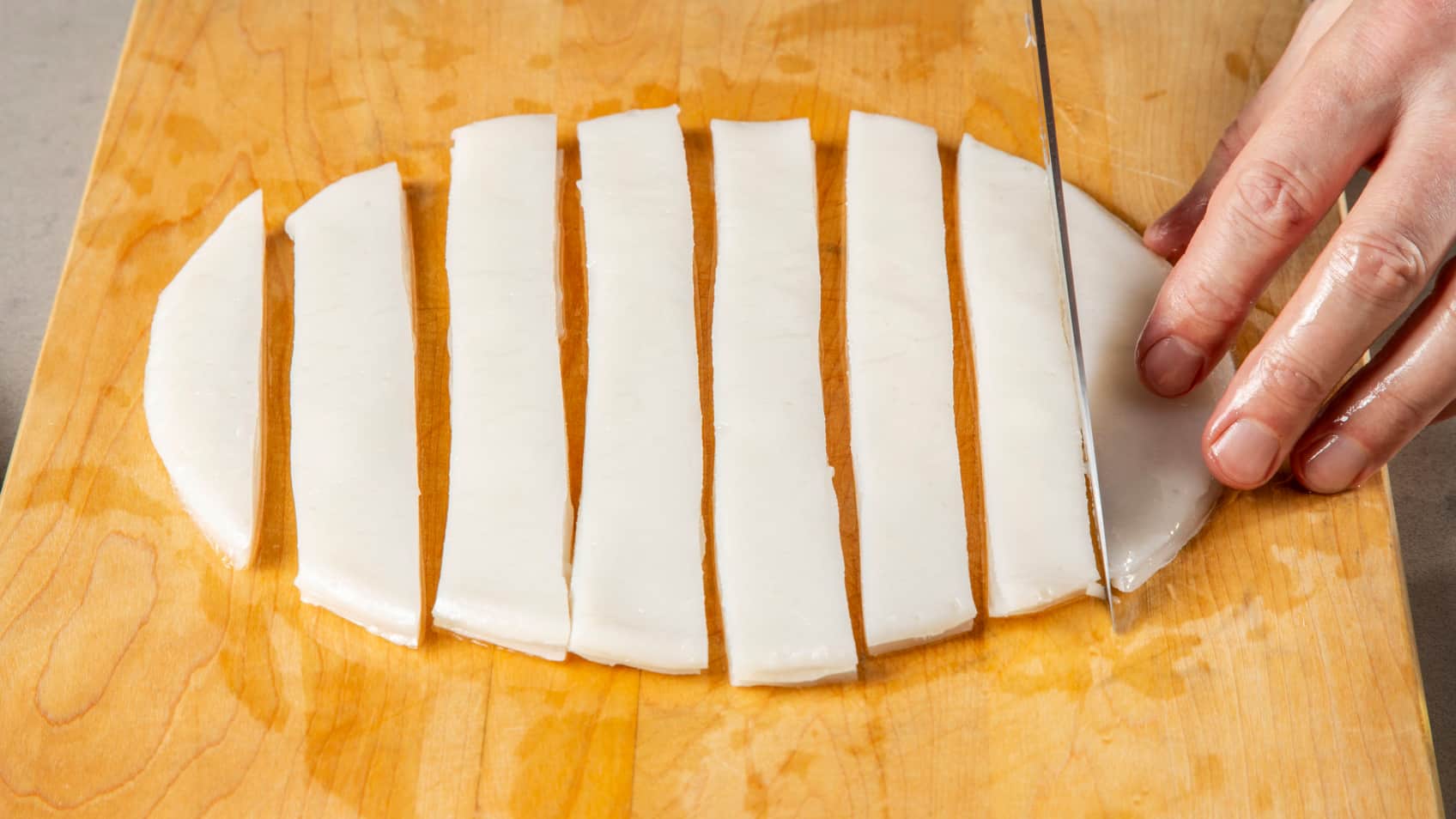
From there, the sheets move through an automatic slicer that cuts them into wide, flat strips, which are packaged and delivered fresh to markets and restaurants.
Mixing up a batter myself was a cinch, but nailing the formula took some R & D because, as I discovered, rice flour alone makes for fragile noodles that lack ho fun’s trademark elasticity.
That’s why many producers supplement rice flour with additional starches to boost structure and chew, so I tried a slew of options and also experimented with the ratio of rice flour to starch.
Eventually I landed on a 3:1 ratio of rice flour to potato starch; the latter’s unique starch makeup gave the noodles just the right springy, tender chew.
Science: The Starchy Science Behind Ho Fun’s Signature Chew

Wheat noodles get their elasticity and chew from the protein network known as gluten, but the stretchy, gently tuggable texture of ho fun is all about starch.
The base of ho fun batter is rice flour, which contains lots of starch—including a high proportion of amylopectin, the starch component that builds chew in noodles, rice, and baked goods.
But we found that it doesn’t have enough starch to make noodles with resilient chew; the batch we made with 100 percent rice flour was fragile and tore easily.
That’s why most ho fun batters (including ours) supplement the rice flour with a pure starch such as potato starch. Potato starch granules are much larger than those in rice starch, and the starch molecules within the granules are accordingly longer, both of which increase the viscosity of the batter and the chew of the noodles.
To steam them, I rigged up a simple stovetop system with some basic cookware, inspired by the efficiency of the Lo’s Noodle setup.
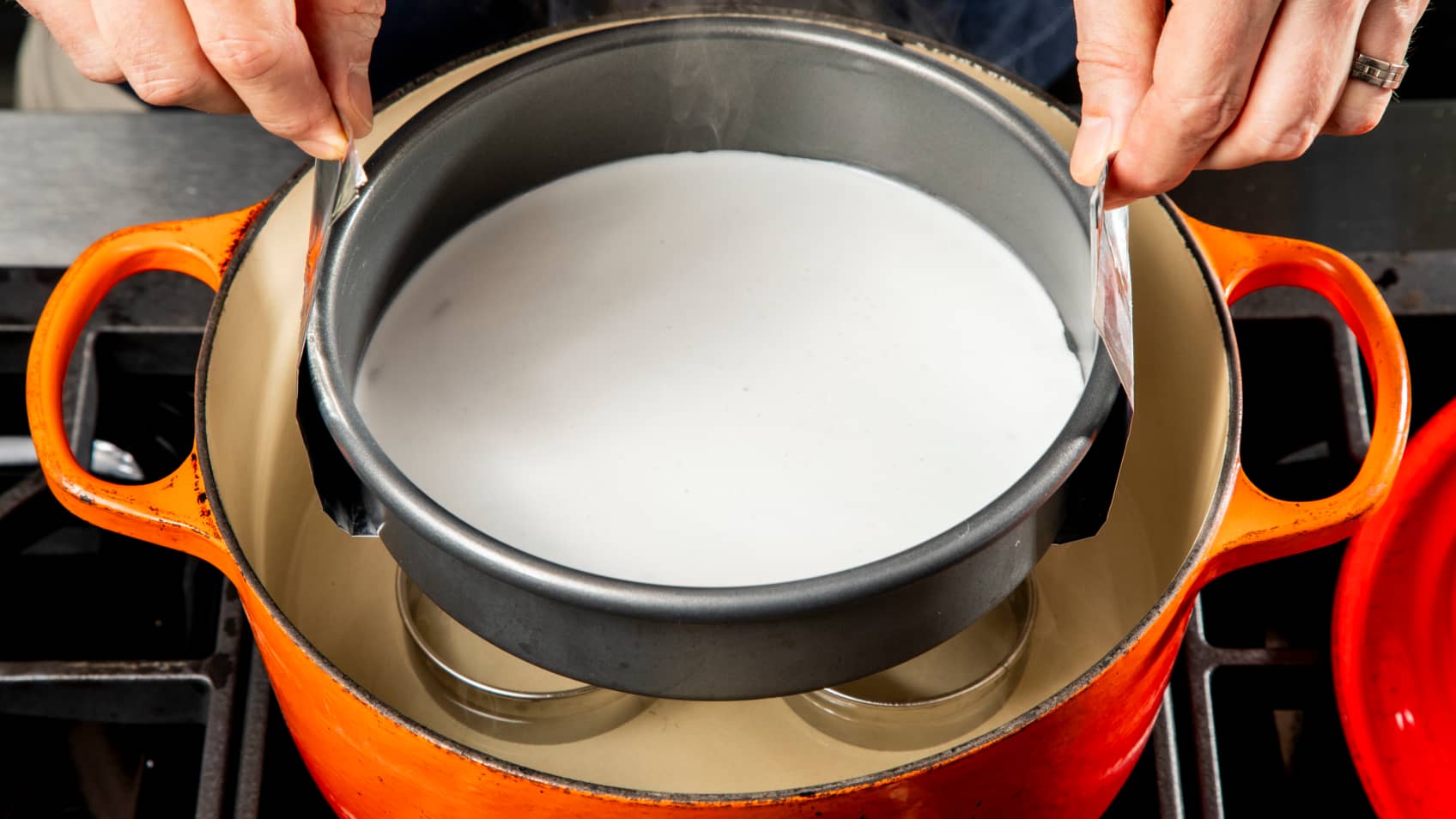
First, I poured about ⅓ cup of the batter into an oiled 8-inch round cake pan—just enough to cover the surface, so that the noodles would be thin. Then, I fashioned a “steam chamber” by setting a pair of cookie cutters on the floor of a large Dutch oven filled with about ½ inch of water.
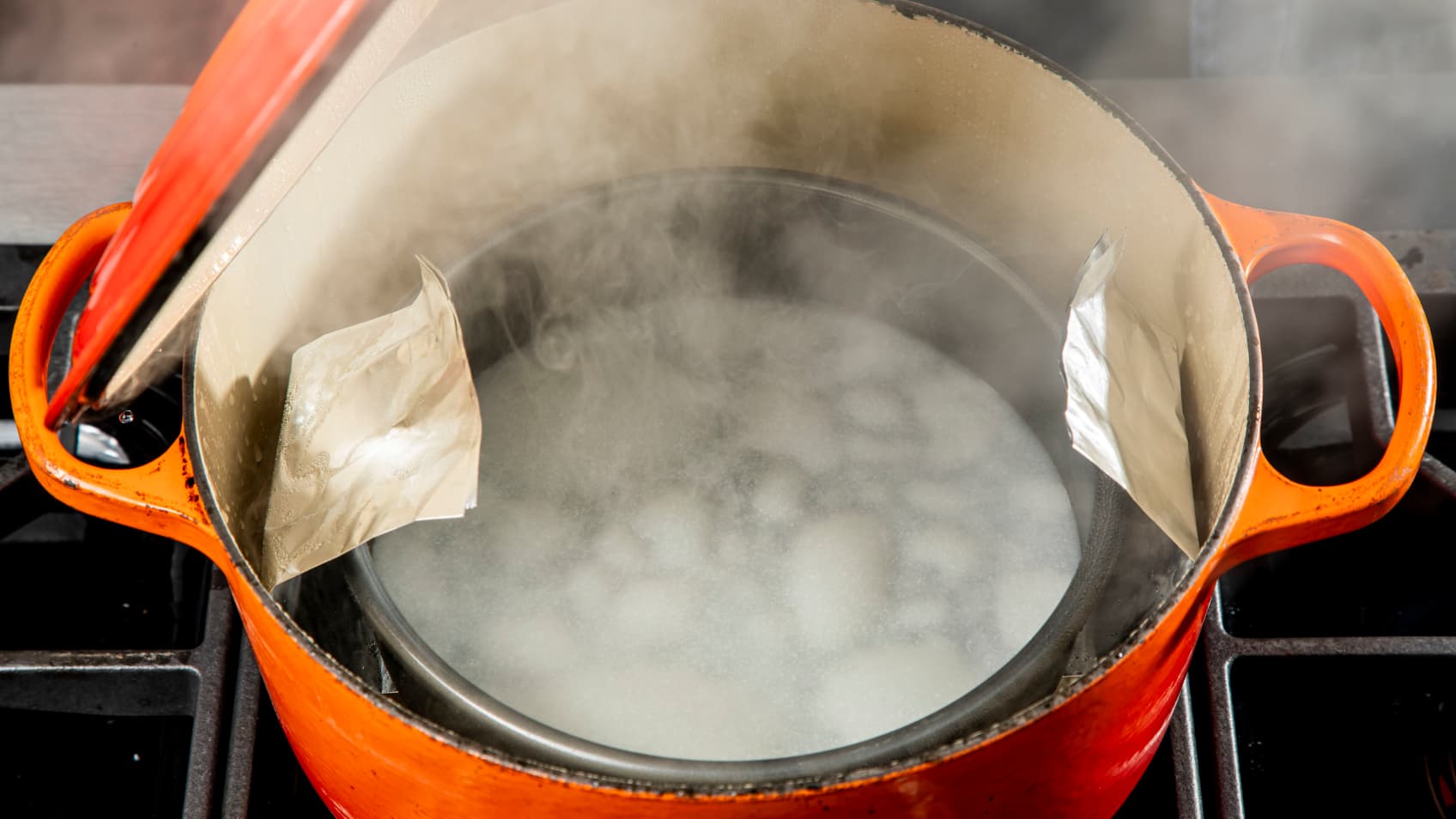
When the water was simmering, I set the cake pan on the cutters, covered the pot, and steamed the batter for 5 minutes, using that time to prepare another cake pan with more batter so that I could swap in the second batch as soon as the first was done.
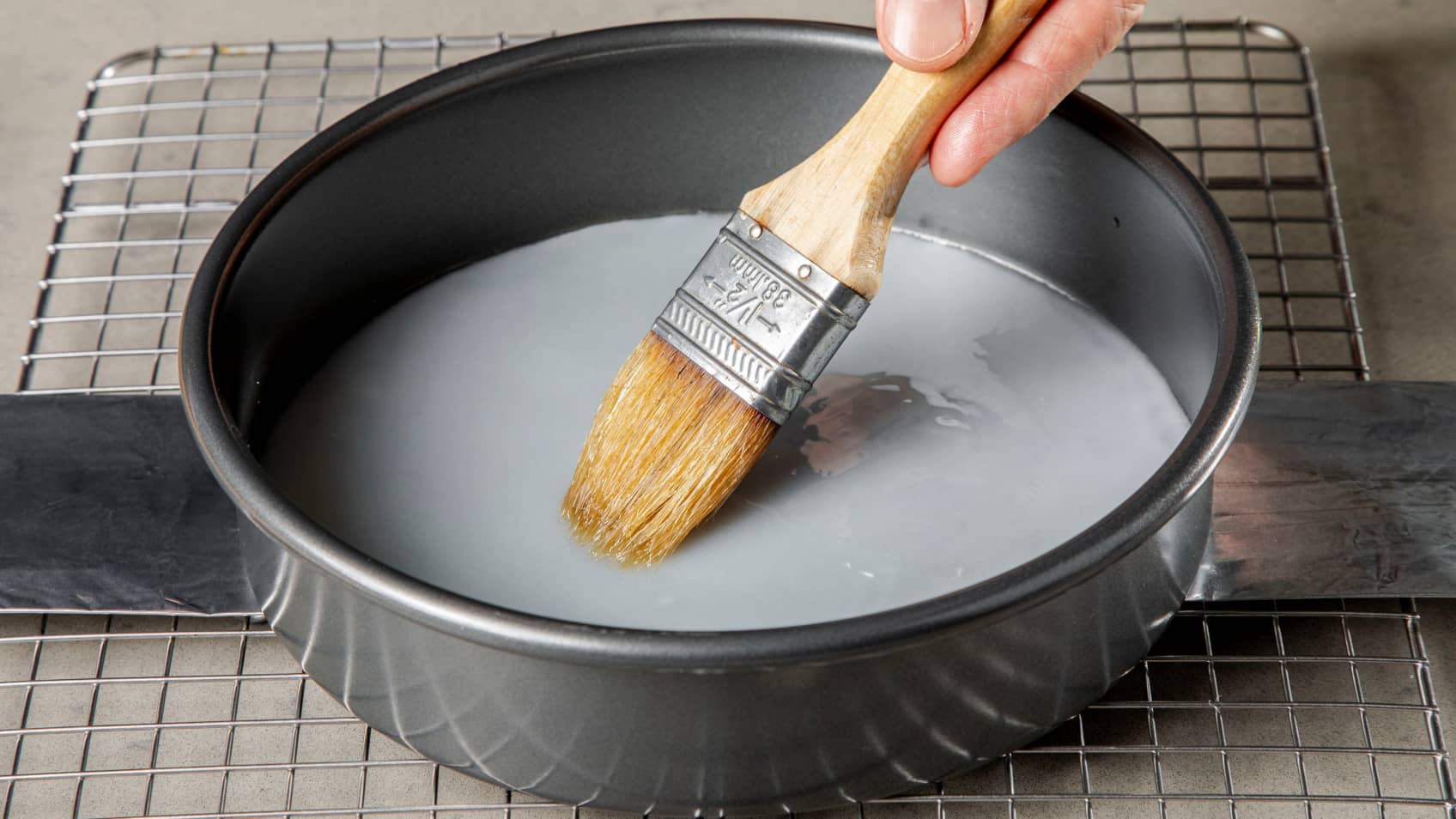
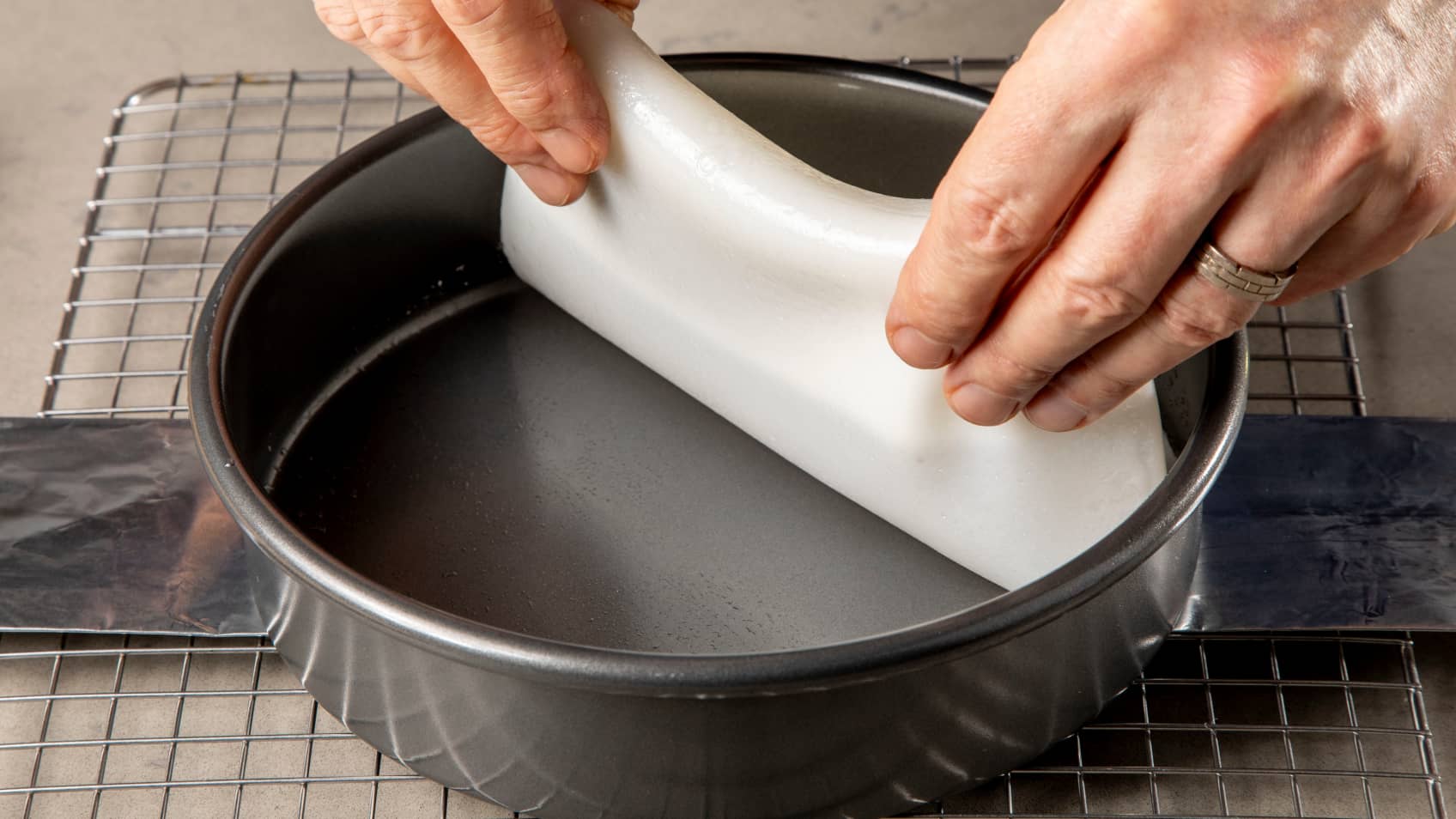
I repeated the process for a total of four noodle sheets, brushing each with oil before gently peeling it out of the pan (the round shape made it easy to grab the noodle’s edge) and stacking them so that they were quick to slice and easy to separate.
It was almost a perfect system, but I wasn’t crazy about reaching my hands down into the steaming-hot pot, and sometimes the buildup of steam caused the noodle sheet to puff away from the pan and cook unevenly.
The first fix was to make a foil sling, which I used to grasp the pan and lower it into the pot, keeping my hands at a safe distance from the steam.
The second was to peek at the progress midway through cooking—and if the noodle was bubbling in spots, keep it uncovered for a few moments to help it deflate and regain direct contact with the pan.
Making Ho Fun
These satiny, delicately springy noodles are easy to make with a simple batter and a few common kitchen tools, and they can be prepared up to 2 hours in advance and held at room temperature.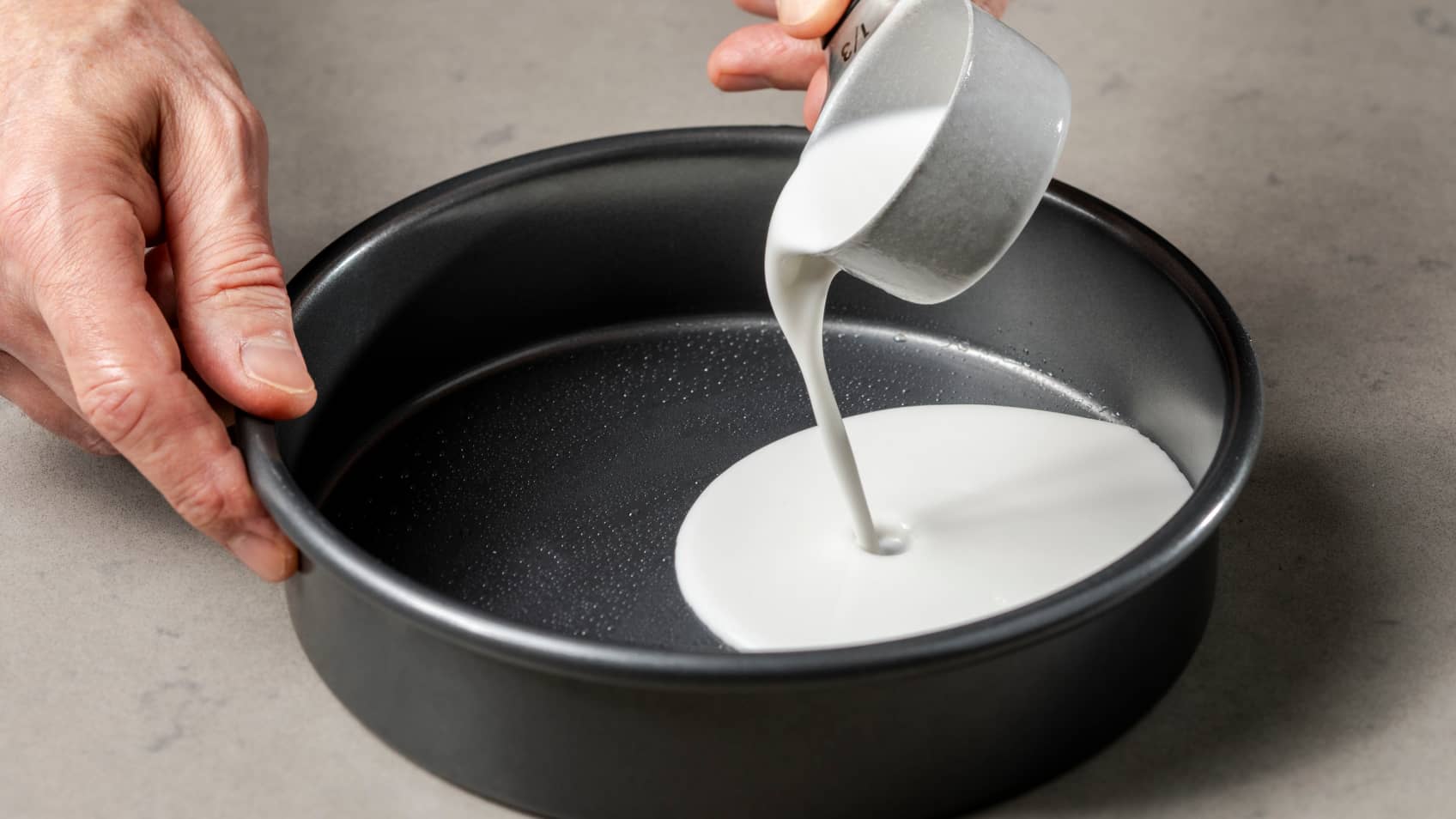
Making the Stir-Fry
You could say beef chow fun is the roast chicken of Cantonese wok cooking: a dish that’s both utterly rudimentary and made or broken by a handful of fine details. How well a cook pulls it off is widely considered a good gauge of their kitchen chops.
“I’ve often heard it described as the culinary school exit exam,” said Sin, who thinks of beef chow fun as both “supersimple” and “supertechnical.”
First comes the ingredient prep. The vegetables play a subtle role, adding pockets of crunch and freshness, so I slivered the onion and sliced the scallions (just the greens) into lengths that echoed the shape and delicacy of the bean sprouts.
As for the beef: It should be deeply seasoned and exceptionally tender, so I cut a flank steak (a stir-fry favorite) into wide strips, briefly froze them until they firmed up, and sliced them thin against the grain to shorten the meat’s muscle fibers. Then I soaked the steak twice: first for 5 minutes in a baking soda paste to raise its pH, which prevented the meat’s proteins from seizing up and expelling moisture during cooking, and then for 30 minutes in an umami-rich marinade (soy and oyster sauces, Shaoxing wine, white pepper) thickened with cornstarch.
The liquid’s viscosity helped it cling to the meat and also act as a barrier that protected the meat from overcooking.
Then comes the stir-frying, which is almost entirely about achieving wok hei. The top-line goal is to drive off moisture so that the fat can smoke and the proteins and sugars can undergo Maillardization and caramelization, all of which contributes to wok hei’s distinct fragrance.
Sequential cooking is one critical part of the process because it helps avoid moisture buildup, so I stir-fried the beef, followed by the bean sprouts and onion (the scallions go in last-minute) plus some minced garlic and ginger, and finally the noodles. I also made sure to keep the food moving in the pan, which helps moisture evaporate and food sear.
The Elusive Essence of Wok Hei, and How to Achieve It

Wok hei is notoriously hard both to explain and to capture, but most experts agree that its smoky, grilled, allium-like fragrance is a synthesis of freshly cooked, flame-licked food and the wok itself. Many of those distinct aroma compounds form when the fire hits the food and the cooking fat briefly surpasses its smoke point. Then more compounds come from the layer of polymerized fat (or “seasoning”) that’s cooked into the steel: Every time the wok is used, those flavors migrate out of (as well as back into) the coating and onto the food.
The combination of high-octane cooking and deeply seasoned steel explains why wok hei is more common in restaurants than home kitchens. But the following tools and techniques can get you pretty darn close.
Use a carbon-steel wok Builds up seasoning that contributes to wok hei; rounded shape makes it easy to stir food so that moisture evaporates
Preheat wok “dry” Allows metal to get very hot without oil smoking excessively
Cook in batches Avoids overcrowding so that wok stays hot and drives off moisture
Pour oil and sauces down sides of wok (not directly on food) Contact with superhot metal means oil gets very hot, and moisture in sauces evaporates and sugars caramelize
Keep food moving Ensures that moisture evaporates quickly, so existing flavor compounds in food concentrate and new Maillard browning flavors develop

The other big key to wok hei is being precise about how and when you add the oil and cooking liquids.
Per tradition, I heated the wok “dry,” waiting until just before cooking to pour the fat down its walls so that the metal would get ripping-hot without burning the oil. I also made a point to drizzle the sauce (more soy sauce, oyster sauce, and Shaoxing wine, as well as syrupy dark soy sauce for its body and color) down the vessel’s sides rather than pouring it into the center with the food; that way, some of its moisture evaporated, which, according to Sin, “gives you an opportunity to build up some of those layered, smoky, umami flavors.”
All that said, it really is a simple dish. Once your food is prepped, the whole operation takes roughly 5 minutes, and the motions become rhythmic and routine after a few go-rounds.
Plus, there’s nothing like tucking into the meaty, chewy, crunchy, succulent, enchantingly smoke-tinged reward.

Ho Fun (Wide Rice Noodles)
There’s nothing like the slippery, tender chew of these homemade rice ribbons.
Get the Recipe
Beef Ho Fun (Gānchăo Niúhé 乾炒牛河)
This iconic Cantonese stir-fry is a glistening, wok-charred jumble of beef and vegetables tangled in the chewy fresh rice ribbons known as ho fun
Get the Recipe


