America's Test Kitchen LogoCook's Country LogoCook's Illustrated LogoAmerica's Test Kitchen LogoCook's Country LogoCook's Illustrated Logo

Cape Breton Oatcakes

By Andrea Geary

Published on April 3, 2023

Time

1¼ hours, plus 30 minutes cooling

Yield

Makes 20 oatcakes

Cape Breton Oatcakes

Ingredients

1¼ cups (6¼ ounces/177 grams) all-purpose flour ⅓ cup (2⅓ ounces/66 grams) brown sugar ¼ cup (1¾ ounces/50 grams) granulated sugar 1¼ teaspoons kosher salt ¾ teaspoon baking powder 1¼ cups (3¾ ounces/106 grams) old-fashioned rolled oats 8 tablespoons unsalted butter, melted and hot2 tablespoons hot water

Before You Begin

We strongly recommend weighing the flour, sugar, and oats here. We developed this recipe with Domino brown sugar, which has a fine texture similar to granulated sugar; avoid using a coarser sugar (many organic brands are coarse) as it may make your dough unworkably crumbly. We developed this recipe with Diamond Crystal kosher salt; if using Morton kosher salt, decrease the amount to 1 teaspoon. Do not substitute quick or instant oats in this recipe.

Instructions

  1. Using pencil and ruler, draw 10- by 12-inch rectangle in center of each of 2 large sheets of parchment paper, crisscrossing lines at corners.
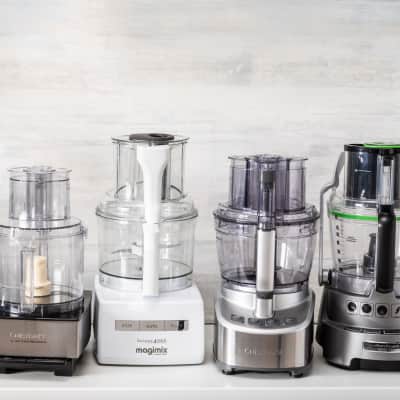
  2. Process flour, brown sugar, granulated sugar, salt, and baking powder in food processor until fully blended, about 10 seconds. Add oats and pulse until oats are coarsely chopped, about 4 pulses. Add butter and water and pulse until most ingredients are evenly moistened, about 6 pulses. Transfer mixture to work surface and press and knead until all ingredients are evenly moistened. Gather into 1-inch-thick disk (mixture will be crumbly).
  3. Place 1 piece of parchment on counter with pencil side facing down (you should be able to see rectangle through paper). Place dough in center of marked rectangle and press to ½-inch thickness. Place second sheet of parchment over dough, with pencil side facing up, so dough is in center of marked rectangle. Using pencil marks as guide, use rolling pin to roll dough into 10- by 12-inch rectangle of even thickness (roll firmly from center outward to create even thickness). If dough extends beyond rectangle in some spots and falls short in other places, trim excess and use to patch bare spots; after patching, replace parchment and roll firmly to create smooth top. Peel off top layer of parchment and reserve.
  4. Using sharp knife or pizza cutter and ruler, trim edges of dough that extend over marked edges of rectangle. Discard scraps. Transfer dough, still on parchment, to rimmed baking sheet. Freeze until dough is firm, at least 15 minutes (alternatively you may refrigerate dough for at least 30 minutes). While dough is chilling, adjust oven rack to middle position and heat oven to 300 degrees.
  5. Transfer dough, still on parchment, to counter. Place reserved parchment, pencil side down, on baking sheet. Cut dough lengthwise into 5 equal strips about 2 inches wide. Cut each strip crosswise into 4 equal pieces to create 20 rectangles. Transfer rectangles to prepared sheet, spacing them evenly and placing any thinner pieces toward center of sheet.
  6. Bake until oatcakes are firm to touch and uniformly golden, 32 to 36 minutes, rotating sheet halfway through baking. Let oatcakes cool completely on sheet, about 30 minutes. Serve. (Oatcakes can be stored at room temperature for up to 3 weeks.)

Cape Breton Oatcakes

Save

Time

1¼ hours, plus 30 minutes cooling

Yield

Makes 20 oatcakes

Ingredients

1¼ cups (6¼ ounces/177 grams) all-purpose flour
⅓ cup (2⅓ ounces/66 grams) brown sugar
¼ cup (1¾ ounces/50 grams) granulated sugar
1¼ teaspoons kosher salt
¾ teaspoon baking powder
1¼ cups (3¾ ounces/106 grams) old-fashioned rolled oats
8 tablespoons unsalted butter, melted and hot
2 tablespoons hot water

Test Kitchen Techniques

Ingredients

1¼ cups (6¼ ounces/177 grams) all-purpose flour
⅓ cup (2⅓ ounces/66 grams) brown sugar
¼ cup (1¾ ounces/50 grams) granulated sugar
1¼ teaspoons kosher salt
¾ teaspoon baking powder
1¼ cups (3¾ ounces/106 grams) old-fashioned rolled oats
8 tablespoons unsalted butter, melted and hot
2 tablespoons hot water

Test Kitchen Techniques

Ingredients

1¼ cups (6¼ ounces/177 grams) all-purpose flour
⅓ cup (2⅓ ounces/66 grams) brown sugar
¼ cup (1¾ ounces/50 grams) granulated sugar
1¼ teaspoons kosher salt
¾ teaspoon baking powder
1¼ cups (3¾ ounces/106 grams) old-fashioned rolled oats
8 tablespoons unsalted butter, melted and hot
2 tablespoons hot water

Test Kitchen Techniques

Why This Recipe Works

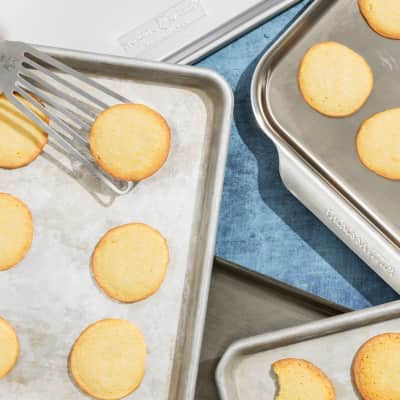
Classic Cape Breton oatcakes are richer and sweeter than their most austere Scottish counterparts, like a crunchy oaten shortbread. A mix of brown and white sugar lent the oatcakes a toffee-like complexity while allowing the nutty oats to shine. Mixing the ingredients in a food processor chopped the oats, making them easier to cut into neat cakes. Kosher salt provided isolated pops of salinity to contrast with the cakes' sweetness, and a low and slow bake ensured the finished oatcakes were evenly crisp and brown.

Want more? Read the whole story
Before You Begin

We strongly recommend weighing the flour, sugar, and oats here. We developed this recipe with Domino brown sugar, which has a fine texture similar to granulated sugar; avoid using a coarser sugar (many organic brands are coarse) as it may make your dough unworkably crumbly. We developed this recipe with Diamond Crystal kosher salt; if using Morton kosher salt, decrease the amount to 1 teaspoon. Do not substitute quick or instant oats in this recipe.

Instructions

  1. Using pencil and ruler, draw 10- by 12-inch rectangle in center of each of 2 large sheets of parchment paper, crisscrossing lines at corners.
  2. Process flour, brown sugar, granulated sugar, salt, and baking powder in food processor until fully blended, about 10 seconds. Add oats and pulse until oats are coarsely chopped, about 4 pulses. Add butter and water and pulse until most ingredients are evenly moistened, about 6 pulses. Transfer mixture to work surface and press and knead until all ingredients are evenly moistened. Gather into 1-inch-thick disk (mixture will be crumbly).
  3. Place 1 piece of parchment on counter with pencil side facing down (you should be able to see rectangle through paper). Place dough in center of marked rectangle and press to ½-inch thickness. Place second sheet of parchment over dough, with pencil side facing up, so dough is in center of marked rectangle. Using pencil marks as guide, use rolling pin to roll dough into 10- by 12-inch rectangle of even thickness (roll firmly from center outward to create even thickness). If dough extends beyond rectangle in some spots and falls short in other places, trim excess and use to patch bare spots; after patching, replace parchment and roll firmly to create smooth top. Peel off top layer of parchment and reserve.
  4. Using sharp knife or pizza cutter and ruler, trim edges of dough that extend over marked edges of rectangle. Discard scraps. Transfer dough, still on parchment, to rimmed baking sheet. Freeze until dough is firm, at least 15 minutes (alternatively you may refrigerate dough for at least 30 minutes). While dough is chilling, adjust oven rack to middle position and heat oven to 300 degrees.
  5. Transfer dough, still on parchment, to counter. Place reserved parchment, pencil side down, on baking sheet. Cut dough lengthwise into 5 equal strips about 2 inches wide. Cut each strip crosswise into 4 equal pieces to create 20 rectangles. Transfer rectangles to prepared sheet, spacing them evenly and placing any thinner pieces toward center of sheet.
  6. Bake until oatcakes are firm to touch and uniformly golden, 32 to 36 minutes, rotating sheet halfway through baking. Let oatcakes cool completely on sheet, about 30 minutes. Serve. (Oatcakes can be stored at room temperature for up to 3 weeks.)

Gift This Recipe

Enjoyed this dish? Let others know by sharing it as a gift recipe.

This is a members' feature.