Rustic Boule
By Andrea GearyPublished on December 2, 2024
Time
1½ hours, plus 15 to 15½ hours rising, resting, and cooling
Yield
Makes 1 loaf

Ingredients
Before You Begin
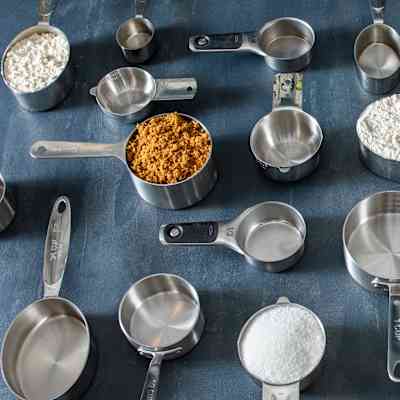
This dough requires an overnight rest in the refrigerator. We strongly recommend measuring your flour and water by weight. A smooth surface such as a granite countertop works well for kneading by hand; avoid a rougher surface such as wood. Once you get the kneading rhythm down, try to move quickly and nimbly, using a light touch to minimize stickiness. If you have a round bread-proofing basket, also known as a banneton, you can use that instead of a colander in step 6. To make in a stand mixer, steps 1, 2, and 3 can be done in a stand mixer; in steps 3, knead dough on speed 2 until it clears sides of bowl, about 10 minutes.
Instructions
- Stir flour and yeast together in large bowl. Add 1⅔ cups (376 grams) water and stir until uniform mass forms and no dry flour remains, about 1 minute. Cover and let sit 15 minutes.
- Sprinkle salt over dough. Add remaining 2 tablespoons (28 grams) water and, using your hand, mix until salt and water are incorporated. Turn dough out onto unfloured counter, scraping bowl to remove all dough (do not wash bowl).
- Slide fingers of both hands under right side of dough, placing left hand at 12 o’clock and right hand at 6 o’clock. Pick up dough and turn 90 degrees counterclockwise, letting most of dough hang down. Slap bottom of dough onto counter so it sticks. Stretch dough in hands toward yourself and then, in quick motion, fold over end of dough that's stuck to counter. Grasp right quarter of dough with hands at 12 and 6 o’clock again and repeat motion. Continue to slap and fold dough until elastic and mostly smooth, 6 to 8 minutes, stopping occasionally to scrape stray pieces of dough on counter back into dough (at first, dough may look like it's breaking apart; just keep going). Using smaller, gentler movements, continue to slap and fold until dough is smooth, about 1 minute. (If you need to rest, gather dough into ball halfway through kneading, cover it, and let it rest for 10 minutes before resuming kneading.)
- Shape dough into ball by pulling edges into middle. Return dough, seam side down, to bowl. Cover and let rise until dough has increased in size by 50 percent, 1 to 1½ hours (do not allow dough to double).
- Lightly flour top of dough and gently invert onto counter, taking care to retain as much gas as possible. Slide your lightly floured fingers under dough and pull gently into 10-inch round (avoid touching top of dough, which will be sticky).Fold bottom third of dough toward middle and press gently to adhere. Gently tug left side of dough outward, fold toward middle, and press to adhere. Repeat on right side of dough. Gently stretch top of dough over bottom of dough and press to adhere. Pinch any large bubbles to deflate. Invert dough so it is seam side down on counter.
- Cup your hands around dough and slowly drag toward you on counter until top of dough tightens slightly. Turn dough 90 degrees and repeat. Continue to turn and drag dough until it is round and evenly taut. Rest dough on counter for 5 minutes. While dough rests, line colander with large linen or cotton dish towel and dust lightly with flour. Invert dough and place seam side up in prepared colander. Cover and refrigerate for 12 to 18 hours (if your refrigerator is too crowded to chill dough quickly, place dough in freezer for 30 minutes to slow yeast activity before transferring to refrigerator).
- Adjust oven rack to middle position, place 6- to 8-quart Dutch oven (with lid) on rack, and heat oven to 500 degrees. When oven is fully heated, lightly grease 12-inch square of parchment paper. Lay parchment sprayed side down over dough and gently invert dough onto counter. Remove colander and towel.
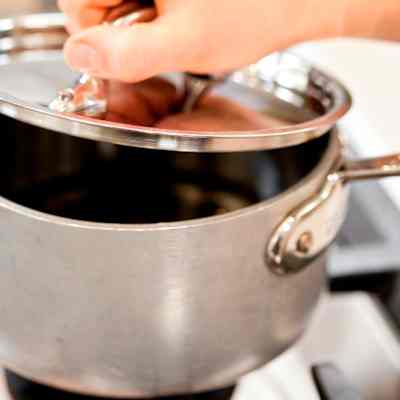
- Carefully remove pot from oven, place on stovetop, and set lid aside. Using razor blade or sharp serrated knife, make four 6-inch-long, ½-inch-deep slits in crosshatch pattern on top of dough. Pick up dough by lifting parchment edges and lower into pot. Carefully cover pot and transfer to oven. Bake for 20 minutes. Transfer pot to stovetop and carefully remove lid. Place baking sheet on middle rack and place pot on baking sheet.
- Reduce oven temperature to 450 degrees. Continue to bake, uncovered, until loaf is deeply browned and registers at least 200 degrees, 10 to 15 minutes longer. Using thick towel or oven mitt, carefully transfer loaf to wire rack and let cool completely before slicing, 2 to 3 hours. (Wrapped leftover bread can be stored at room temperature for up to 3 days. After first day, bread should be toasted or refreshed in oven before serving.)

Time
1½ hours, plus 15 to 15½ hours rising, resting, and coolingYield
Makes 1 loafIngredients
Test Kitchen Techniques
Ingredients
Test Kitchen Techniques
Ingredients
Test Kitchen Techniques
Why This Recipe Works
For a crusty, chewy freeform loaf, we started by mixing yeast, high-protein bread flour, and enough water that the dough hydration measured a relatively high 75 percent, making it highly extensible. Letting the shaggy dough rest for 15 minutes before adding the salt developed the nascent gluten structure and kept the dough extensible for kneading. Using a “slap and fold” method to knead the sticky dough worked it vigorously and efficiently and developed its gluten network. After letting the dough rise by 50 percent, we shaped it into a round by stretching it gently to build more tension while also retaining as much gas as possible to encourage it to rise during baking. Fermenting the dough in the refrigerator slowed the yeast activity, which allowed plenty of time for it to produce carbon dioxide and a complex-tasting combination of flavor compounds. Baking the loaf in a covered Dutch oven captured steam, which helped break the starch on the surface into sugars for better browning and kept the surface flexible a little longer, extending the time in which the loaf could continue to expand.
Want more? Read the whole story



142 Comments