French 56½ Cocktail
By Paul AdamsPublished on May 12, 2017
Yield
Makes 2 cocktails

Ingredients
Before You Begin
Cocktail recipes are classically presented in fluid ounces and measured with a jigger; we’ve listed liquid ingredients in both fluid ounces and tablespoon/teaspoon measurements. To make a batch of simple syrup, mix ¾ cup sugar, ¾ cup water, and 1 teaspoon vodka (optional) and let sit at room temperature, stirring occasionally, until dissolved. There’s no need to heat the water unless you’re in a hurry. The vodka improves the syrup’s shelf life. Simple syrup can be refrigerated for several months. Tartaric acid is the primary acid found in grapes and grape products such as wine. You can purchase it in powdered form from wine-making suppliers or by clicking here. Some wines undergo a process called malolactic fermentation, in which malic acid, which can be harsh-tasting, is converted to mellower lactic acid (the primary acid in dairy products). Thus, a blend of tartaric and lactic acids can emulate the acidity of such wines. You can purchase powdered lactic acid from homebrew suppliers or by clicking here.
Instructions
- Stir gin, simple syrup, lemon juice, and tartaric acid in cocktail shaker until tartaric acid is thoroughly dissolved.
- Add lactic acid and stir until thoroughly dissolved, about 1 minute.
- Add ice to shaker, close, and shake for 30 seconds.
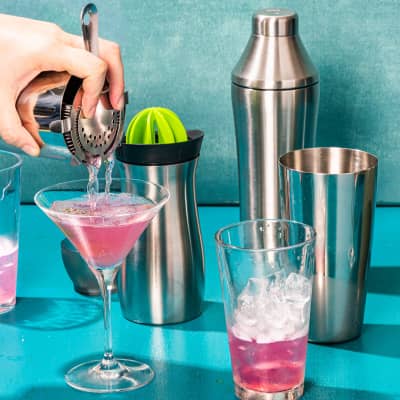
- Strain evenly into 2 champagne flutes. Add 1 fluid ounce (2 tablespoons) soda water to each glass and stir gently to combine. Optionally, garnish each cocktail with 1 mint leaf.


Yield
Makes 2 cocktailsIngredients
Ingredients
Ingredients
Why This Recipe Works
The French 75 is a classic: lemon juice and gin (and/or cognac), topped with dry champagne. With its sparkle and fresh, tart taste, it’s one of the most bright-eyed and lively cocktails there is. But the champagne often adds an unneeded musky note, dragging down the buoyancy of the rest. Could we use plain soda water augmented with one or more powdered acids?
In some of his cocktails, bar proprietor and inventor Dave Arnold uses an equal blend of tartaric and lactic acids to mimic the acidity of champagne. Based on that idea, but with some trial and error to get the acid ratios just right, we came up with the French 56½. It’s a cousin to the 75, less potent (the name reflects the reduced alcoholic wallop) but just as refreshing.
Photography by Steve Klise

15 Comments