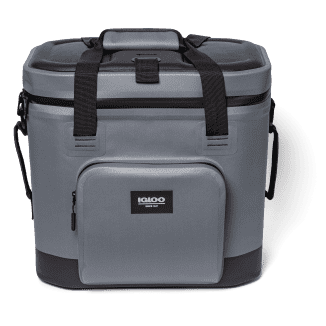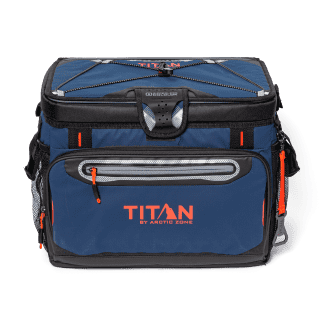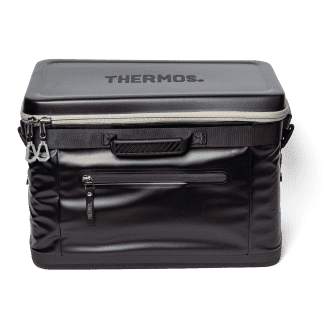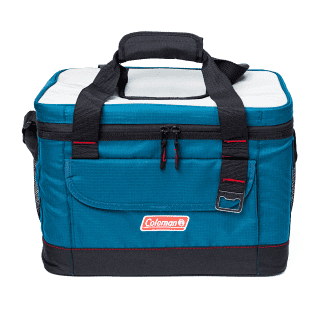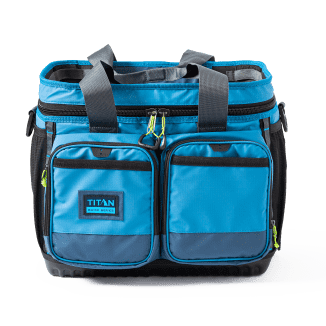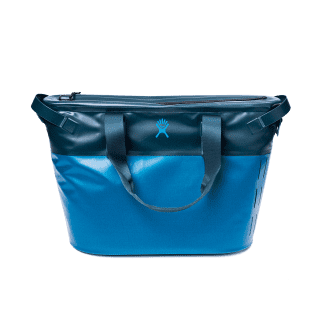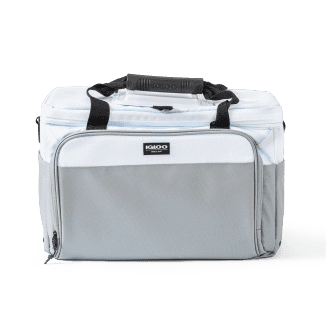


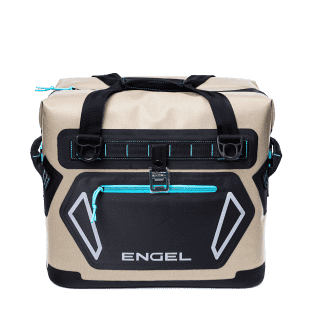

Soft coolers are ideal for shorter trips or when you don’t want to lug a heavy hard-sided cooler. Often much lighter, soft-sided coolers still promise to keep food and drinks cool for days, if needed. Our winner, the Engel HD20 22qt Heavy-Duty Soft Sided Cooler Tote Bag, kept ice frozen for three full days. The Coleman XPAND 30-Can Soft Cooler is our Best Buy. It keeps things cold for slightly less time than our winner but is also easy to carry in different ways.

During the warmer months, there’s nothing better than sitting on a beach or in a park with a cold can of something refreshing and some chilled snacks to munch on. While we’ve previously tested hard-sided coolers, we decided to focus on soft-sided coolers, which promise to keep food and drinks cold without the heft and bulk.
All the coolers in our lineup held from 16 to 20 liters (and 23 to 45 cans, without ice packs). They were all lightweight (the heaviest weighed 6.5 pounds—nearly 20 pounds less than our favorite hard-sided cooler) but still had enough insulation to keep ice frozen and its contents cool for a few days. The soft coolers came in two shapes: box-shaped and tote-shaped. To open a box-shaped cooler, you unzip the lid on three sides and flip it open. Some box-shaped coolers also had a small easy-open hatch in the lid to allow you to quickly reach in and grab an item without having to fully unzip. To open a tote-shaped cooler, you unzip the single straight zipper that runs across the top.


To see how well the coolers retained cold temperatures, we filled each model with 10 pounds of ice and checked the temperature every 12 hours until the contents rose above 50 degrees. The best soft coolers kept ice cold for two to three days, impressive for something made mostly of light, portable fabric.
In addition to testing soft coolers on their own, we also compared their performance with those of insulated shopping totes and hard coolers. On the whole, we found that the soft-sided coolers we tested kept things colder longer than an insulated shopping tote, but not quite as long as a large hard-sided cooler. This makes them ideal for a day at the beach or a few days of camping, but not for longer trips or when just running a few errands (where insulated shopping totes really excel). The best models were extremely portable and kept ice frozen for three days—impressive for a soft-sided cooler. Here’s what separated the best from the rest.
What to Look For
- Thick, Closed-Cell Foam Insulation: Closed-cell insulation is made by forcing gas into foam, creating isolated cells that impede the passage of heat. This foam is dense, which also makes it less permeable than open-cell foam with interconnected cells. The best-performing coolers were insulated with closed-cell foam, keeping ice frozen for three days. But coolers insulated with open-cell foam were capable of performing nearly as well, with some keeping ice frozen for two and a half days. The type of insulation wasn’t the only factor in determining cold retention. The thickness of the insulation mattered too, with thicker foam generally performing better than thinner. For this reason, some of the coolers insulated with thick open-cell foam performed better than a model with thin closed-cell foam.


Closed-cell insulation (left) is dense and less permeable than open-cell foam with interconnected cells (right), keeping ice frozen for a bit longer than coolers insulated with open-cell foam.
- Smooth Zippers: A good zipper makes a big difference. When a zipper slid smoothly and with little resistance, it made the cooler a pleasure to use. Conversely, some zippers felt like we were dragging them through thick mud, disincentivizing us from opening the cooler.
Good zippers slid smoothly and with little resistance and made the cooler a pleasure to use.
- Box Shape: Boxy coolers were easier to open and fill; their straight sides allowed us to stack food and drinks more easily. We found that tapered tote-shaped coolers were harder to fill with square and large items.

Nice to Have
- Side Handles: Our favorite coolers had two small fabric handles on either end of the opening, which we often found made them easier to carry than a shoulder strap or top handles.

What to Avoid
- Stiff Zippers: Some zippers had a ton of resistance, making opening the cooler unpleasant and strenuous.
Some zippers felt like we were dragging them through thick mud and were a real pain to use.
How to Pack Your Cooler for Ultimate Performance
Fill the cooler to the brim! Empty space is bad for cold retention, and the more ice, food, and drink in your cooler, the less air circulation (and warmth) there will be. Generally, for ultimate ice retention, manufacturers recommended filling two-thirds of the cooler with ice and stuffing the rest with food and beverages. If you’re looking to keep items cold for a few days, place ice packs or ice on the bottom of the cooler, and then fill in the gaps with ice cubes. Another tip: Open the cooler only when you really need that drink or snack; every time you open the top, you’re letting the cool air escape. Some people use one cooler to store items and a different one to access items that will be used quickly. Items will also stay colder if they are prechilled, so if you want an ice-cold beverage at the beach on a hot day, prechilling will ensure that it stays cooler longer. It also helps to put your cooler in a cool (or at least shady) location, since even the best cooler plopped in the middle of a desert will heat up rapidly.
The Tests
- Fill each cooler with as many 12-ounce cans as possible to determine its can capacity
- Fill each cooler with two medium-size ice packs and as many 12-ounce cans as possible to determine its can capacity with ice packs
- Fill each cooler with 10 pounds of ice and check the temperature every 12 hours until the ice is melted, and the meltwater temperature rises above 50 degrees
- To further check capacity, fill each cooler with two medium-size ice packs, two 12-ounce cans of seltzer, two 32-ounce bottles of Gatorade, one 750-milliliter bottle of wine, two 5-ounce containers of yogurt, two chicken salad sandwiches in plastic bags, one 1¾-quart round container of potato salad, one ½-quart round container of fruit salad, one 10-ounce container of hummus, and one ½-quart container of baby carrots
- Pack each cooler with two 12-ounce cans of seltzer, one 750-milliliter bottle of wine, two chicken salad sandwiches, one ½-quart round container of fruit salad, and two 5-ounce containers of yogurt and walk around the block
- Open and close each cooler 50 times to assess the ease of use and durability of its zipper/closing mechanism
How We Rated
- Cold Retention: We evaluated how well the coolers kept ice, food, and drinks cold.
- Ease of Use: We rated each cooler on how simple it was to open, fill, close, and carry.
- Durability: We assessed how well the coolers withstood damage over the course of testing.