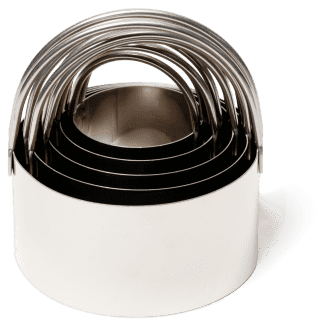


The best biscuit cutters make it easy to cut uniform rounds of pastry and dumpling dough. Our favorite set is the Ateco 5357 11-Piece Plain Round Cutter Set, which contains 11 cutters of varying sizes; it’s the most versatile set we tested. These cutters are made from tough stainless steel that resists both warping and rust, and they are comfortable to grip and easy to stow in their included storage case.

Biscuit cutters (alternatively known as “round cutters” or “round pastry cutters”) are round cutting tools with sharp edges used to punch out disks of biscuit or pastry dough. They’re usually sold in sets, which allows users to select different sizes of cutters for various baking and cooking projects.

In addition to shaping round biscuits, we use biscuit cutters to cut out dough for filled dumplings and similar foods from across the globe, including pierogi, ravioli, empanadas, and shu mai. While you can use a jar, can, water glass, or knife to portion dough in a pinch, we’ve found dedicated biscuit cutters to perform better, creating rounds with clean, even edges that are easier to fill and cook consistently. In addition, biscuits formed using well-designed, sharp cutters are more likely to rise taller and more symmetrically.

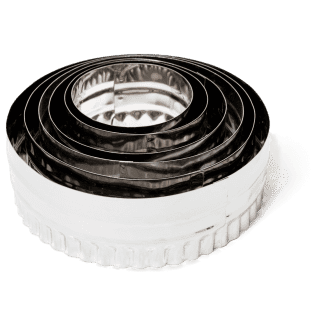
We tested cutters made from metal (including tin-plated steel and stainless steel) and plastic (including polypropylene and a resin-fiberglass hybrid). We preferred the stainless-steel and plastic cutters. Both types came with sharp edges, which made clean cuts, and both types cleaned up easily. The sets contained anywhere from four to 11 cutters of varying sizes. A few sets had handles, but most did not. Some cutters were double-sided, with one side that cuts simple circles and another that cuts rounds with fluted or scalloped edges; we focused our attention on the non-scalloped sides in our tests, since we call for plain rounds far more often.
What to Look for
- Sturdy Metal or Plastic Construction: We preferred cutters made from thicker metal or strong plastic, as these allowed us to apply sturdy, even pressure on dough for perfectly round biscuits and other foods. These tougher materials also resisted warping and denting across all our tests, appearing good as new even after we had used them extensively. Among metal cutters, we preferred stainless-steel sets to those made from tin-plated steel; the latter rusted after single washes, while stainless steel resisted rust.
- Single-Sided Designs with Rounded Grips: We prized single-sided cutters because they didn’t force us to press our fingertips or palms against sharp edges, which double-sided cutters did. Our favorite single-sided cutters were designed with rounded top edges, which were especially comfortable to push down on repeatedly.


We preferred cutters with rounded top edges (left), which were far more comfortable to press down on repeatedly than double-side cutters with sharp top edges (right).
- Accurate and Useful Cutter Sizes: We most often call for 2-, 2½-, or 3-inch round cutters in our recipes, with occasional instructions for 1-inch or 3.5-inch cutters as well. Our favorite sets included cutters that matched each of these sizes, or came within ⅛ inch of each size (a small difference that did not affect recipe yields or cook times). We found these sets more useful for a variety of kitchen projects and awarded them full marks for versatility. Beyond standard sizes, we also prized sets that offered an even wider array of options (including one 11-piece set with cutter sizes ranging from ¾ inch to 3⅝ inches), which maximized these sets’ usefulness.
Nice to Have
- Storage Cases: We slightly preferred cutter sets sold with storage cases, which made wrangling, organizing, and storing the cutters easier.
- Visible Size Labels: One set we tested displayed its cutter sizes clearly and legibly on the lid of its storage case, making it easy to select the cutters we were looking for. While nonessential, these markings were helpful and we wish more sets included them.

What to Avoid
- Thin, Flimsy Construction: Flimsier cutters made from thin, malleable metal or plastic easily warped under the pressure of our hands, making lopsided, misshapen biscuits, doughnuts, and pierogi. These cutters also accumulated dents and dings throughout our tests; one set’s handles broke off; and another set (made of tin-plated steel) rusted after just one cleaning. This extensive damage didn’t bode well for long-term use, and a couple models were downright unusable by the time testing concluded.

- Handles: Sets with handles initially seemed like they’d give us a sturdier grip, but the handles forced us to grip the cutters with closed fists, limiting our range of motion and leaving us struggling to turn the cutters in the dough. Overall, handled models were harder to use and gave us messier results.
- Double-Sided Cutters: By design, both sides of a double-sided model have sharp cutting edges. This means that no matter which side you’re using, your hand is forced to push down on one of those sharp edges as you use them, which we found painful and frustrating. One double-sided set came with a pair of soft plastic guards that you could use on top of each cutter. Though these guards did protect our hands from sharp edges, it was difficult to attach and detach the cutters from them. The plastic guards were also larger in diameter than the cutters themselves; in practice they obscured our view of what we were cutting and diminished our aim. Overall, this innovation actually slowed us down.

- Sets with Limited or Less Useful Sizes: Some sets contained cutters that differed from our ideal 2-, 2½-, and 3-inch sizes by a quarter-inch or more, and a couple sets didn’t include cutters in these popular sizes at all. We couldn’t use these cutters without affecting our recipe yields and cooking times, so we docked versatility points from these limited sets.
The Tests
- Cut Quick and Easy Cream Biscuits using 2-inch cutters (or closest option in set) and evaluate baked biscuits for evenness
- Cut Pierogi using 3-inch cutters (or closest option in set) and assess cooked pierogi for clean edges
- Cut Apple Cider Doughnuts using 1-inch and 3-inch cutters (or closest options in set) and evaluate fried doughnuts for evenness
- Wash five times according to manufacturer instructions
How We Rated
- Durability: We noted whether models rusted or had handles that broke off.
- Performance: We tested how effectively the models cut through various types of dough.
- Ease of Use: We evaluated how comfortable the cutters were to use and clean.
- Versatility: We considered how many cutters came in each set and whether the included sizes allowed us to tackle common tasks.