Italian Cheeses to Know

Is all pasta made better with cheese? It depends on the type, as well as how you use it.
Italy is second only to France in the variety of cheeses it produces, but a few are essential to know for their ubiquity in regional Italian dishes, as well as their unique flavor and texture profiles. You’re also likely to find imported or domestic versions in your local supermarket.
Pecorino Romano

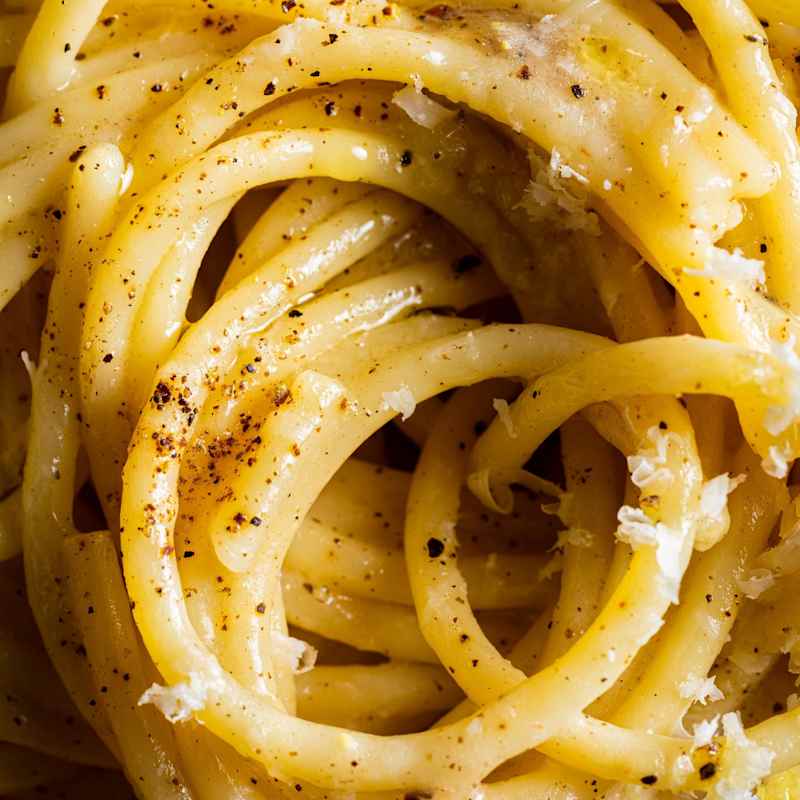
When they weren’t expanding their empire or feeding Christians to the lions, Roman citizens made this aged sheep’s milk cheese, hence its name. It shines in such boldly flavored dishes as pasta alla carbonara and cacio e pepe, like the one in this class, but it also works well mixed with Parmesan to mitigate its sharp saltiness.
Ricotta

Ricotta means “re-cooked” in Italian, and this pillowy, moist, fresh cheese is so named because it was traditionally made with leftover whey from the production of other cow’s milk cheeses. (American ricotta, however, is made from milk, not whey.) Mass-market ricotta is fine in baked pasta, but for something extraordinary, buy ricotta without stabilizers, gums, or preservatives. It has a short shelf life but is so good it probably won’t last anyway. We love ricotta for lasagna and manicotti, or dolloped over fresh, summery pastas.
Gorgonzola

Inexpensive, mass-produced domestic gorgonzola (the kind sold in most supermarkets) is “super-salty” and “sour,” although passable in small quantities or if paired with other strong flavors. When it’s the star of the show, seek out authentic imported Gorgonzola, a blue cheese that’s creamy, rich, and assertive—even stinky, but in a good way. Precrumbled Gorgonzola is often dry and of poor quality; avoid it. This pungent cheese is a perfect match for chewy gnocchi, or as a component in a mac-and-cheese sauce.
Parmesan

Made in a northern region of Italy, the real deal, Parmigiano-Reggiano, can be found in many American supermarkets—at a price. It’s nutty, buttery, and crystalline; Italians consider it the king of cheeses. The domestic stuff is cheaper (by as much as $10 per pound), younger, and less nuanced but wonderfully versatile for cooking. We use the rinds to add depth to soups, stews, and stocks. In terms of the cheese itself there’s really no end to its applications; it adds a salty, nutty bite to the ravioli filling in this class.