Corn Basics

Before you start cooking it’s important to learn tips for how to shop, store, and more.
Finding the Sweet Spot

Most corn varieties sold in supermarkets today are classified as “supersweet” and often have sugar contents approaching 35 percent, which is nearly three times higher than the corn of decades ago. This means that the corn will remain sweet for several days.
if you are buying true local corn from a small farmer, you may be purchasing a “standard” or heirloom variety, which might be best closest to the day it is picked. Be sure to ask the farmer or vendor for advice.
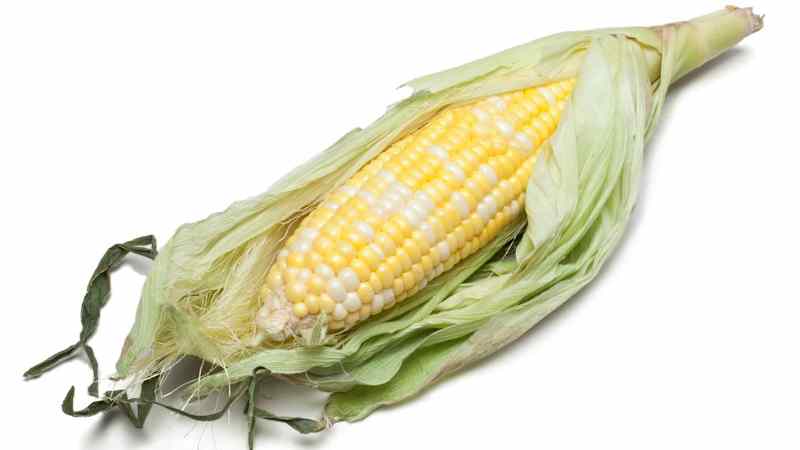
Regardless of variety, look for plump ears with green, pliable husks that are closely wrapped around the ear and clean, pale golden or white silk extending from the tops (the more silk, the better, since it is an indicator of the number of kernels).
Storing Corn for Freshness

To store corn (for up to a few days), wrap it in a wet paper bag or paper towel and then in a plastic produce bag or open zipper-lock bag and refrigerate it.
Making Space for Drainage

A clean, empty dish rack or a wire rack set in a baking sheet accommodates many more ears of corn than a colander when it comes to draining and drying. Put the ears into the dish rack as you remove them from the pot.
Getting Maximum Flavor from the Cobs

Stripped corn cobs will produce a flavorful stock that can enrich polenta, cornbread, and vegetable soups. Cut 8 corn cobs into quarters. Place in large saucepan with 2 quarts water, bring to simmer, and cook for 15 minutes. Strain liquid through fine‑mesh strainer. Makes about 7½ cups.