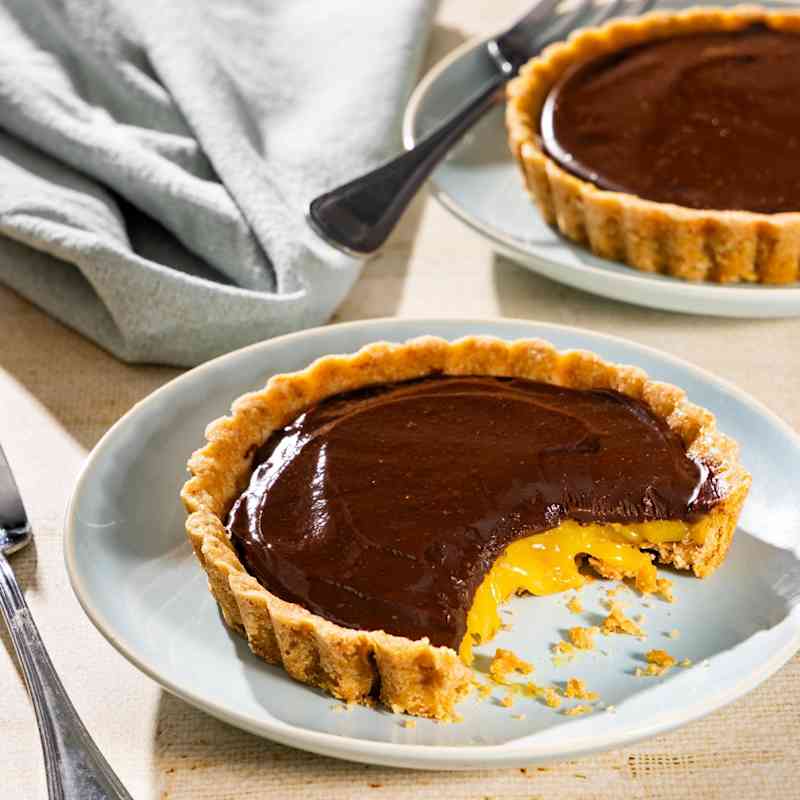
Ten Things You Didn't Know You Could Freeze

Small batch baking means you often find yourself with leftover ingredients; make use of your freezer for these ten.
Leftover Egg Whites

Frozen (defrosted) egg whites whip to the same volume and consistency as fresh, but be mindful that frozen whites will reach full volume a little more quickly.
Sour Cream

You can freeze sour cream to bake with later, but because freezing causes it to separate, previously frozen sour cream is no good for other uses, such as finishing sauces or topping tacos.
Yogurt

Freezing yogurt is fine for baking, however, it breaks the yogurt down, making it unusable in uncooked applications like a sauce.
Buttermilk

Freezing causes the buttermilk to separate, but it easily comes back once whisked and is suitable for baked goods.
Cream Cheese

Freezing causes the thawed cream cheese to have a grainy texture. Use frozen cream cheese only in recipes in which its grainy texture won’t stand out, like most baked goods (exceptions include cheesecake or cake fillings where the grainy texture is noticeable).
Fruit

Freezing fruit is a great way to prolong its life. However, it is a race against time. Ice crystals form during freezing that can rupture the food’s cell walls, allowing moisture (and nutrients) to leach out when the food thaws. But the faster the food freezes, the smaller the ice crystals are and the less damage that occurs. To minimize damage to fruits, it pays to first freeze the food in a single layer, then once frozen you can move it to a freezer bag or container.
Zest

We found freezing citrus zest a great way to use up leftovers. We recommend pre measuring and bundling teaspoons of zest in plastic wrap before placing the zest in a freezer bag as it provides extra protection from freezer burn, as well as easy access to conveniently premeasured portions. Lime, grapefruit, and orange zests freeze equally well to lemons.
Nuts

With the highly perishable nature of nuts, we store all varieties of nuts in the freezer, including toasted ones. As long as you seal them tightly to prevent freezer burn and softening, toasted nuts will maintain their flavor and texture in the freezer for up to one month.
Butter

Butter is best placed in the back of the fridge where it’s coldest and will keep for 2½ weeks. However, any longer than that and it can turn rancid as its fatty acids oxidize. For longer storage (up to four months), move it to the freezer. Also, since butter quickly picks up odors and flavors, we like to slip the sticks into a zipper-lock bag.
Ginger

Fresh ginger contains enzymes that break down its starch and pectin over time. Freezing the ginger inhibits these enzymes, so ginger stored in the freezer is able to maintain its firm texture. Fun fact: this works when ginger root is stored in alcohol as well!
Up Next
Satisfy Your Sweet Tooth with Small Batch Desserts