

Recipe By Andrew Janjigian
Published on August 29, 2024
Making a starter requires time but very little effort. And once it’s established, it opens up a whole new universe of homemade breads with sourdough’s trademark tang.
Time
14 daysWhy This Recipe Works
The key difference between this starter and most others is scale. Typical formulas start with several cups of flour, and you might churn through a few pounds before you can bake a single loaf of bread; this starter takes just a few teaspoons to get going and uses just a few cups total before it’s ready to bake with. (Making a tiny starter is an idea that I came up with in April 2020, when flour and yeast were scarce due to the pandemic—I affectionately dubbed it “quarantinystarter." But I quickly realized that this is a smarter, substantially less wasteful approach to maintaining sourdough starter under any circumstances.)
Ingredients


Instructions
Cook along with these step-by-step instructions
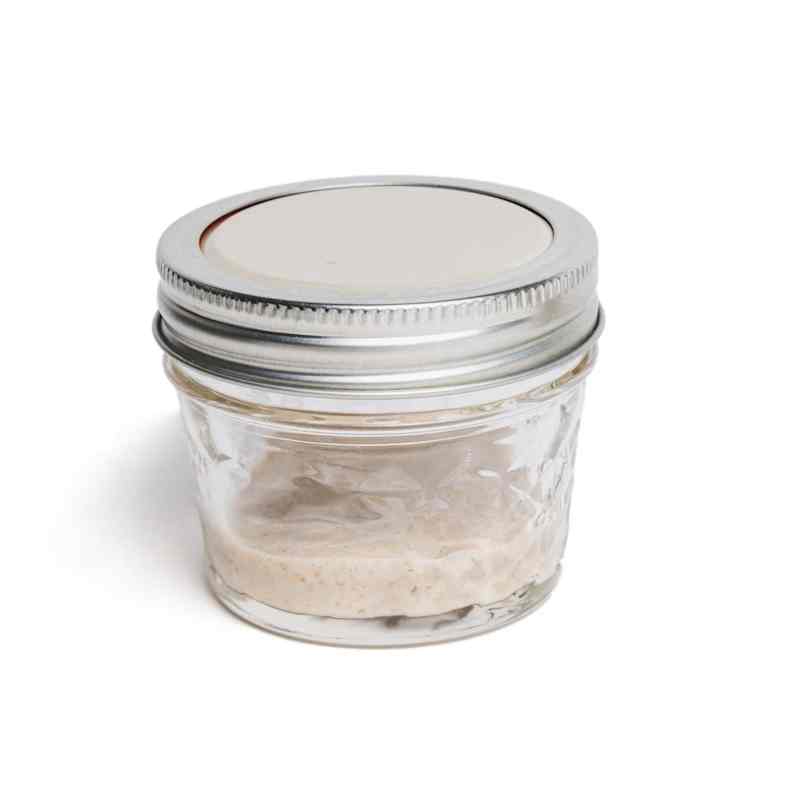

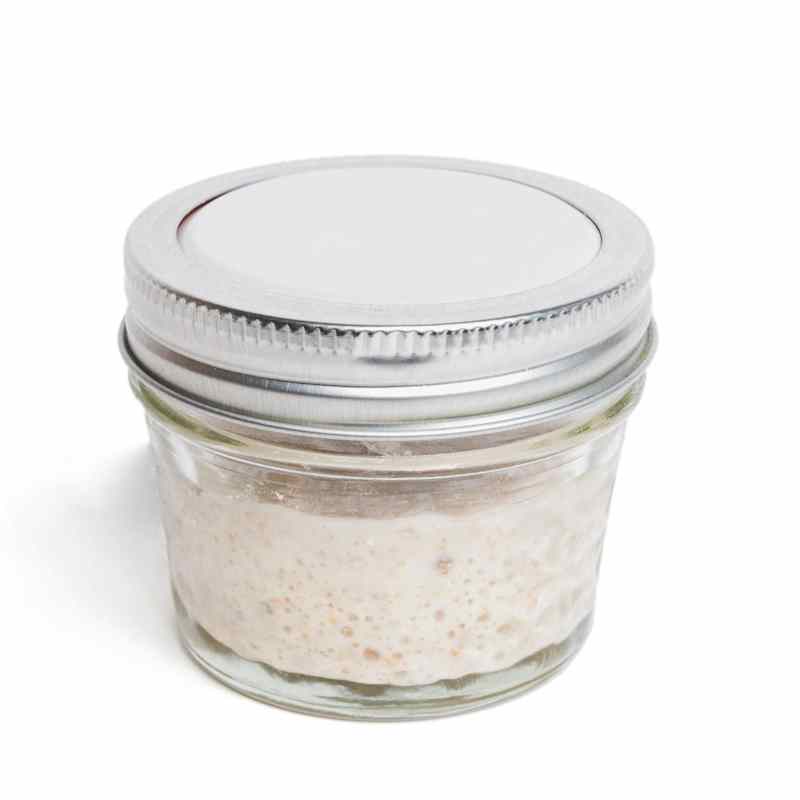

- CREATE AND PROOF INITIAL STARTER: Create bulk batch of flour mixture by combining bread or all-purpose flour with whole-wheat or rye flour in sealable container (weighing ingredients will become vital later, but volume is fine here). Using spoon, mix 4 teaspoons (⅓ ounce; 10 grams) flour mixture and 2½ teaspoons (⅓ ounce; 10 grams) water in small jar. Cover with plastic wrap or loosely with lid and let sit at warm room temperature (70 to 80 degrees) for 1 to 3 days. Visual cue to move to the next step: Starter is bubbly, wet-looking (there might even be liquid pooled on top), and fragrant—even pungent.
- REFRESH STARTER ONCE DAILY: Stir starter well and transfer 2 teaspoons (1/3 ounce; 10 grams) to clean jar; reserve remaining starter as backup in original jar and store in refrigerator (see “Save Your Sourdough Leftovers!”). Stir 4 teaspoons (⅓ ounce; 10 grams) flour mixture and 2½ teaspoons (⅓ ounce; 10 grams) water into starter mixture until no dry flour remains. Cover with plastic wrap or loosely with lid and let sit at warm room temperature for 24 hours. Repeat every 24 hours for 4 to 10 days. Visual cue to move to next step: Starter is bubbly and fragrant less than 12 hours after previous refreshment.
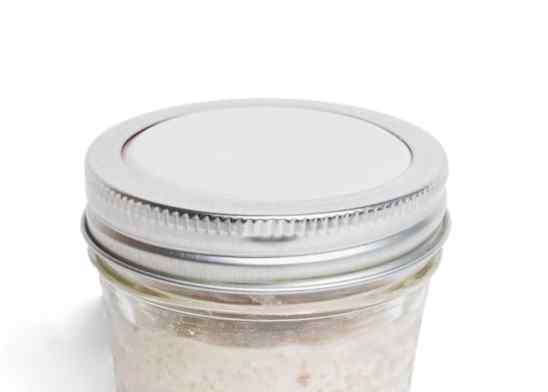
- REFRESH STARTER TWICE DAILY: Refresh starter as before every 12 hours. At this stage, in addition to saving leftover starter as backup, you can collect generations of backup starter in a larger sealed jar; store it in the refrigerator to keep on hand for use in other nonbread applications such as pancakes, biscuits, and crackers (see “Save Your Sourdough Leftovers!”). If at any point the starter activity slows down or stops altogether, return to refreshing the culture once daily. Cues that starter is mature and ready for baking: Starter doubles or triples in volume within 12 hours of being refreshed and smells yeasty/bready/yogurty.
- CHECK MATURITY/READINESS FOR BAKING: Conduct a “float test”: Place a blob of starter in a jar with water. If starter floats, it’s producing and retaining ample amounts of carbon dioxide, meaning the yeast population has increased sufficiently.
- STORE AND MAINTAIN MATURE STARTER: If your starter exhibits the signs of maturity and passes the float test, you can move it to the refrigerator. Measure out 1½ tablespoons (1 ounce; 28 grams) starter and transfer to clean bowl (save any leftover starter in refrigerator as backup culture). Stir 7 tablespoons (2 ounces; 57 grams) all-purpose flour and 1/4 cup (2 ounces; 57 grams) room-temperature (70 degrees) water into starter until no dry flour remains. Place mixture in jar, seal it well but loosely, and let sit at room temperature until it has about doubled in volume, 3 to 6 hours (use rubber band around container to mark the mixture’s starting volume). Once mixture has doubled, transfer jar to refrigerator. Repeat process every 7 to 14 days.
Ask ATK
Have a Question?
We’d love to hear from you! Drop us a message anytime and we’ll get back to you. We’re here to help!



680 Comments