

Recipe By Stephanie Pixley
Published on August 5, 2024
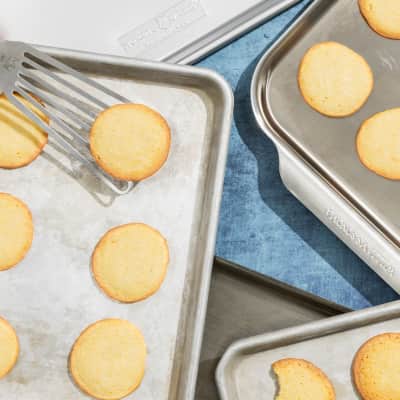
Our low-sugar cookies have crisp edges, a chewy center, complex toffee flavor, and chocolate in every bite.
Time
1 hr 50 minYield
Makes 16 cookiesWhy This Recipe Works
To make our low-sugar version, we decided to use Sucanat, since its molasses flavor fit the cookie’s profile nicely. Swapping the typical semisweet chocolate chips for bittersweet helped to further reduce sugar content, but tasters found that the flavor of the chips was a bit muted; chopped bar chocolate had much better chocolate flavor.
Even with the reduced sugar, these cookies had great flavor—but their texture was disappointing. They didn't spread enough during baking and they were dry, crumbly, and stale tasting. To encourage spread, we tried adding milk and tweaking the number of eggs; these cookies spread well but they were too tender and cakey. We backtracked and decided to take a closer look at how we were treating the liquid—specifically the butter—already present in our recipe. Our traditional recipe called for melted butter, but in a side-by-side test of melted butter versus softened butter, it was clear that softened butter was the way to go—the cookies spread beautifully.
One problem remained: they were still a bit cakey. Our solution was twofold: First, we found that size made a big difference. Smaller cookies were more uniform in texture, while larger cookies tended to have softer centers and crisper edges. Second, we adjusted the leaveners: In our traditional recipe, we used only ½ teaspoon of baking soda to give the cookies a small amount of lift. But a few tests revealed that increasing the amount of baking soda and adding a teaspoon of baking powder caused the cookies to “overleaven,” so the cookies rose high in the oven and then fell. This encouraged the pleasantly dense, chewy centers we were after.
Our cookies were almost perfect, but a 30-minute rest pushed them over the top; it hydrated the Sucanat and ensured the best texture and fullest flavor.
Ingredients


Instructions
Cook along with these step-by-step instructions
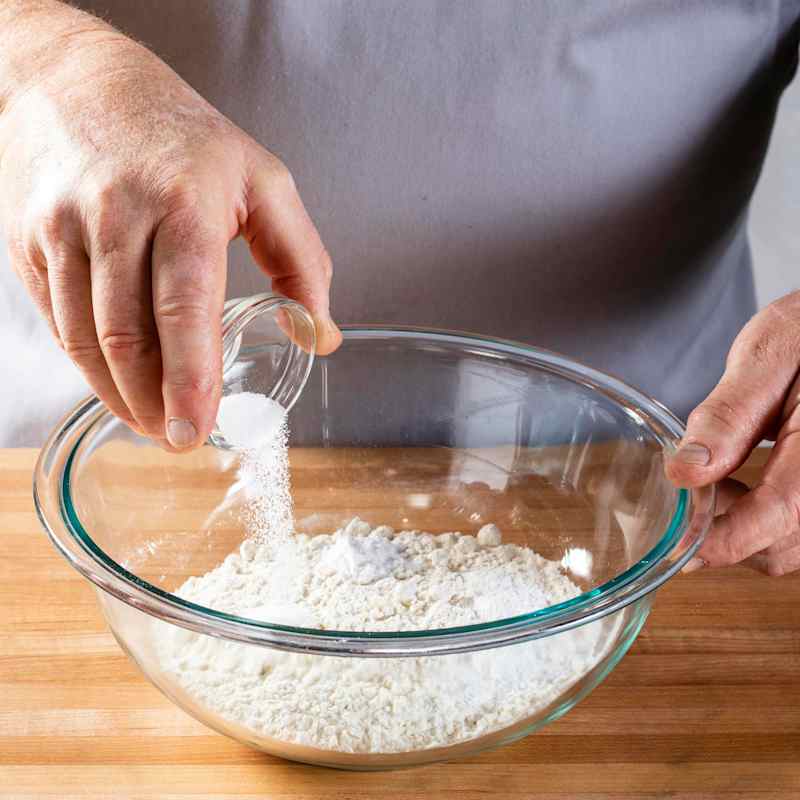
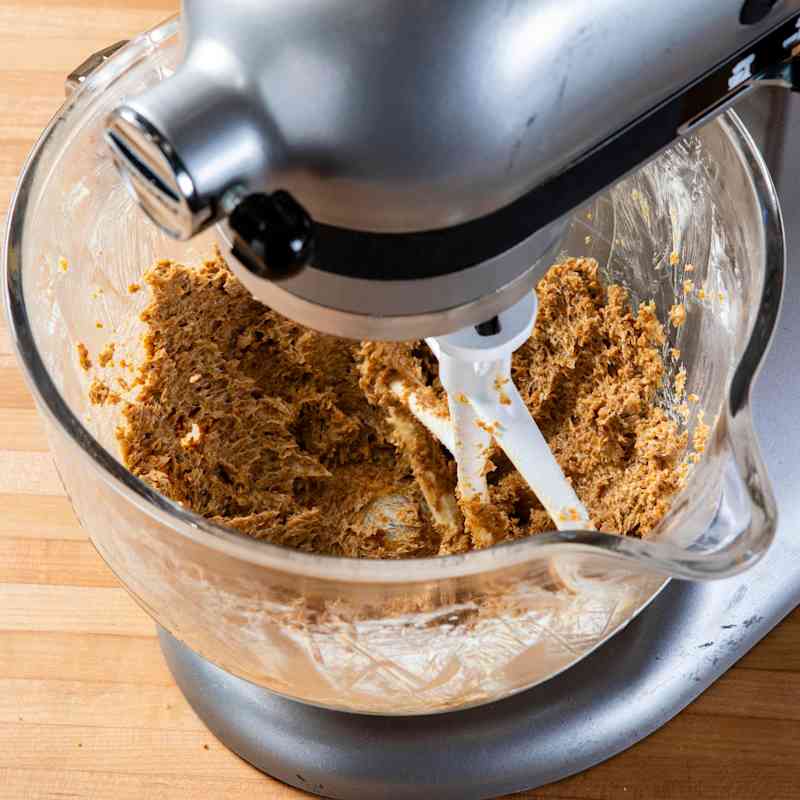

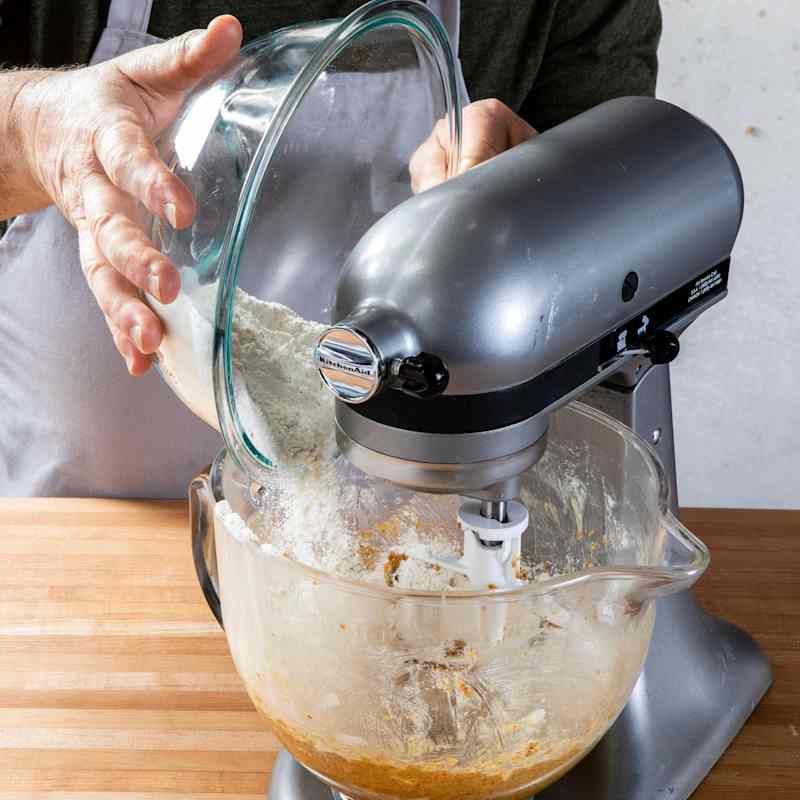
- Combine flour, baking powder, baking soda, and salt in medium bowl. Using stand mixer fitted with paddle, beat butter and Sucanat together on medium-high speed until pale and fluffy, about 3 minutes. Add egg and yolk and vanilla and mix until combined, about 1 minute. Reduce speed to low, add flour mixture, and mix until combined, about 1 minute, scraping down bowl as needed. Add chocolate and mix until combined, about 30 seconds. Give dough final stir by hand.
- Cover bowl with plastic wrap and let rest at room temperature for 30 minutes. Adjust oven rack to middle position and heat oven to 350 degrees. Line 2 baking sheets with parchment paper.
- Bake cookies, 1 sheet at a time, until light golden brown and edges have begun to set but centers are still soft, 12 to 15 minutes, rotating sheet halfway through baking. Let cookies cool completely on sheet. Serve.


25 Comments