Fresh Goat Cheese
By America's Test KitchenPublished on April 17, 2019
Time
Start today, enjoy in 1 to 2 days
Yield
Makes about 10 ounces
Ingredients
Before You Begin
For the most reliable results, use fresh homogenized and pasteurized milk here; do not use ultra-pasteurized or ultrahigh-temperature (UHT or long-life) milk in this recipe or it will not curdle properly.
Instructions
- Slowly heat milk in large saucepan over low heat, stirring often, until milk registers 90 degrees, about 10 minutes. Remove from heat, sprinkle culture over surface of milk and gently stir until combined.
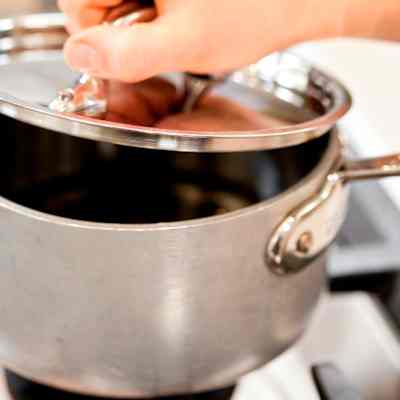
- Dilute rennet in water, then stir rennet into milk until well combined. Cover and let sit, undisturbed, at room temperature until mixture fully separates into solid curds and translucent whey, 12 to 24 hours.
- Line colander with butter muslin or triple layer of cheesecloth and set in sink. Ladle curds into prepared colander and let drain at room temperature for 2 to 4 hours, until whey no longer runs freely from colander, and curds are thickened but still moist.
- Transfer partially drained cheese to medium bowl, stir in salt, and divide cheese in half. Working with one half at a time, bundle cheese in butter muslin or triple layer of cheesecloth, then tie with kitchen twine to secure.
- Tie cheese bundles to large spoon set over deep bowl or container, making sure bundles do not touch bottom of bowl, and refrigerate for 6 to 24 hours (depending on desired consistency). Goat cheese can be wrapped tightly in plastic wrap and refrigerated for up to 1 week.


Time
Start today, enjoy in 1 to 2 daysYield
Makes about 10 ouncesIngredients
Ingredients
Ingredients
Why This Recipe Works
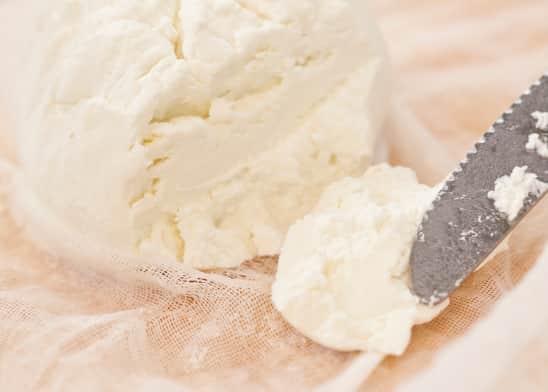
Cheese making can be an incredibly time-consuming and labor-intensive endeavor, requiring specialized equipment and a high level of expertise. But luckily, there are some cheeses that a novice can easily undertake at home. Goat cheese is one of these. Good fresh goat cheese is a beautiful thing. It should be chalky but creamy, tart and bright with an underlying richness, and above all, it should taste like what it is: little more than goat's milk and salt. (That said, you have to appreciate a “goat-y” flavor for this recipe to be worthwhile.) We tried a few different variations on the basic recipe, utilizing different coagulating agents and amounts of culture, but this one was the clear winner.



5 Comments