America's Test Kitchen LogoCook's Country LogoCook's Illustrated LogoAmerica's Test Kitchen LogoCook's Country LogoCook's Illustrated Logo

Brioche Sandwich Loaves

By Cecelia Jenkins

Published on June 17, 2019

Time

1½ hours, plus 2 hours rising and 1¼ hours cooling

Yield

Makes 2 loaves

Brioche Sandwich Loaves

Ingredients

3 ⅔ cups (20⅛ ounces/571 grams) bread flour 1 tablespoon instant or rapid-rise yeast 1 ¼ cups (10 ounces/283 grams) water, room temperature2 large eggs, plus 1 large egg, lightly beaten¼ cup (1¾ ounces/50 grams) sugar 2 ½ teaspoons table salt 13 tablespoons unsalted butter, cut into 13 pieces and softened

Before You Begin

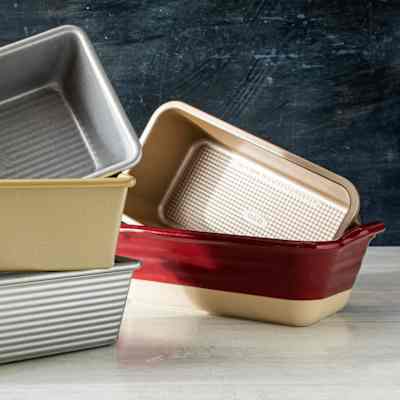
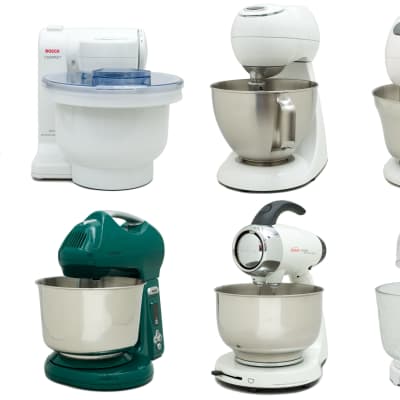
All-purpose flour can be substituted for the bread flour, but the loaves won't be as tall; use the same amount of all-purpose flour by weight, not by volume. When kneading the dough on medium speed, the mixer may wobble on the counter. Watch it closely and place a dish towel or shelf liner underneath it to keep it in place. The test kitchen's preferred loaf pan measures 8½ by 4½ inches; if you use a 9 by 5-inch loaf pan, start checking for doneness 5 minutes earlier than advised in the recipe.

Instructions

  1. Whisk flour and yeast together in bowl of stand mixer. Add room-temperature water and 2 eggs. Fit mixer with dough hook and mix on low speed until dough comes together and no dry flour remains, about 2 minutes, scraping down bowl and dough hook frequently. Turn off mixer, cover bowl with dish towel or plastic wrap, and let dough stand for 15 minutes.
  2. Add sugar and salt to dough and knead on medium-low speed until incorporated, about 30 seconds. Increase speed to medium and, with mixer running, add butter 1 piece at a time, allowing each piece to incorporate before adding next, about 3 minutes total, scraping down bowl and dough hook as needed. Continue to knead on medium speed until dough is elastic and pulls away cleanly from sides of bowl, about 10 minutes longer. Transfer dough to greased large bowl. Cover tightly with plastic and let rise at room temperature until doubled in size, about 1 hour.
  3. Grease two 8½ by 4½-inch loaf pans. Turn out dough onto counter and divide dough into 2 equal pieces. Press each piece of dough into 8 by 5-inch rectangle with long side parallel to counter edge. Working with 1 piece of dough at a time, fold top edge of rectangle down to midline, pressing to seal. Fold bottom edge of rectangle up to midline and pinch to seal. Flip dough seam side down and gently push on ends to shape into 7 by 3-inch rectangle.
  4. Transfer loaves to prepared pans, seam side down, and pat gently to fill pans. Cover with plastic and let rise until doubled in size, about 1 hour. Adjust oven rack to middle position and heat oven to 350 degrees.
  5. Discard plastic and brush tops of loaves with beaten egg (you do not need to use all of it). Bake until loaves are deep golden brown and register 205 to 210 degrees in center, about 32 minutes, switching and rotating pans halfway through baking. Let loaves cool in pans for 15 minutes. Remove loaves from pans and let cool completely on wire rack, about 1 hour. Serve. (Loaves can be stored in zipper-lock bags at room temperature for up to 2 days or frozen for up to 1 month.)
  6. To make ahead: After covering pans with plastic wrap in step 4, refrigerate for up to 24 hours. Let loaves sit at room temperature for 2 hours before proceeding with recipe; increase baking time by 5 minutes.
Brioche Sandwich Loaves
Photography by Keller + Keller. Styling by Catrine Kelty.

Brioche Sandwich Loaves

Headshot of Cecelia Jenkins
By Cecelia Jenkins
Save

Time

1½ hours, plus 2 hours rising and 1¼ hours cooling

Yield

Makes 2 loaves

Ingredients

3 ⅔ cups (20⅛ ounces/571 grams) bread flour
1 tablespoon instant or rapid-rise yeast
1 ¼ cups (10 ounces/283 grams) water, room temperature
2 large eggs, plus 1 large egg, lightly beaten
¼ cup (1¾ ounces/50 grams) sugar
2 ½ teaspoons table salt
13 tablespoons unsalted butter, cut into 13 pieces and softened

Test Kitchen Techniques

Ingredients

3 ⅔ cups (20⅛ ounces/571 grams) bread flour
1 tablespoon instant or rapid-rise yeast
1 ¼ cups (10 ounces/283 grams) water, room temperature
2 large eggs, plus 1 large egg, lightly beaten
¼ cup (1¾ ounces/50 grams) sugar
2 ½ teaspoons table salt
13 tablespoons unsalted butter, cut into 13 pieces and softened

Test Kitchen Techniques

Ingredients

3 ⅔ cups (20⅛ ounces/571 grams) bread flour
1 tablespoon instant or rapid-rise yeast
1 ¼ cups (10 ounces/283 grams) water, room temperature
2 large eggs, plus 1 large egg, lightly beaten
¼ cup (1¾ ounces/50 grams) sugar
2 ½ teaspoons table salt
13 tablespoons unsalted butter, cut into 13 pieces and softened

Test Kitchen Techniques

Why This Recipe Works

We wanted glossy, amber-colored brioche with its signature paper-thin crust, buttery flavor, and impossibly soft, feathery interior. To build structure in this butter-laden dough (which can be difficult since fat shortens the sturdy gluten strands), we used bread flour, which contains more protein than all-purpose flour does and thus develops gluten more readily. We mixed together the flour, yeast, water, and eggs and let the dough rest before adding the sugar, salt, and butter; since salt and sugar slow hydration, withholding them helped the flour fully hydrate, a necessary step for maximum gluten formation. We then added softened butter 1 tablespoon at a time so the gluten had time to develop between additions. Another 10 minutes of kneading finished building the dough's structure. Dividing the risen dough in half and shaping it to fit into two loaf pans created showstopping brioche loaves.

Before You Begin

All-purpose flour can be substituted for the bread flour, but the loaves won't be as tall; use the same amount of all-purpose flour by weight, not by volume. When kneading the dough on medium speed, the mixer may wobble on the counter. Watch it closely and place a dish towel or shelf liner underneath it to keep it in place. The test kitchen's preferred loaf pan measures 8½ by 4½ inches; if you use a 9 by 5-inch loaf pan, start checking for doneness 5 minutes earlier than advised in the recipe.

Instructions

  1. Whisk flour and yeast together in bowl of stand mixer. Add room-temperature water and 2 eggs. Fit mixer with dough hook and mix on low speed until dough comes together and no dry flour remains, about 2 minutes, scraping down bowl and dough hook frequently. Turn off mixer, cover bowl with dish towel or plastic wrap, and let dough stand for 15 minutes.
  2. Add sugar and salt to dough and knead on medium-low speed until incorporated, about 30 seconds. Increase speed to medium and, with mixer running, add butter 1 piece at a time, allowing each piece to incorporate before adding next, about 3 minutes total, scraping down bowl and dough hook as needed. Continue to knead on medium speed until dough is elastic and pulls away cleanly from sides of bowl, about 10 minutes longer. Transfer dough to greased large bowl. Cover tightly with plastic and let rise at room temperature until doubled in size, about 1 hour.
  3. Grease two 8½ by 4½-inch loaf pans. Turn out dough onto counter and divide dough into 2 equal pieces. Press each piece of dough into 8 by 5-inch rectangle with long side parallel to counter edge. Working with 1 piece of dough at a time, fold top edge of rectangle down to midline, pressing to seal. Fold bottom edge of rectangle up to midline and pinch to seal. Flip dough seam side down and gently push on ends to shape into 7 by 3-inch rectangle.
  4. Transfer loaves to prepared pans, seam side down, and pat gently to fill pans. Cover with plastic and let rise until doubled in size, about 1 hour. Adjust oven rack to middle position and heat oven to 350 degrees.
  5. Discard plastic and brush tops of loaves with beaten egg (you do not need to use all of it). Bake until loaves are deep golden brown and register 205 to 210 degrees in center, about 32 minutes, switching and rotating pans halfway through baking. Let loaves cool in pans for 15 minutes. Remove loaves from pans and let cool completely on wire rack, about 1 hour. Serve. (Loaves can be stored in zipper-lock bags at room temperature for up to 2 days or frozen for up to 1 month.)
  6. To make ahead: After covering pans with plastic wrap in step 4, refrigerate for up to 24 hours. Let loaves sit at room temperature for 2 hours before proceeding with recipe; increase baking time by 5 minutes.


Gift This Recipe

Enjoyed this dish? Let others know by sharing it as a gift recipe.

This is a members' feature.