America's Test Kitchen LogoCook's Country LogoCook's Illustrated LogoAmerica's Test Kitchen LogoCook's Country LogoCook's Illustrated Logo

Nikujaga (Beef and Potato Stew)

By Dan Souza

Published on December 12, 2023

Time

1¾ hours, plus 30 minutes resting

Yield

Serves 4

Nikujaga (Beef and Potato Stew)

Ingredients

¾ pound boneless rib-eye steak, cut crosswise into 1½-inch-wide pieces and trimmed1½ pounds Yukon Gold potatoes, peeled1 carrot, peeled4 cups water ¾ ounce (two 4-inch pieces) kombu ¼ ounce (8 grams) Katsuobushi Table salt for cooking vegetables and noodles2 ounces snow peas, strings removed7 ounces shirataki noodles 1 tablespoon vegetable oil 1 onion, halved and sliced into ½-inch wedges¼ cup soy sauce ¼ cup mirin 3 tablespoons sake 1½ tablespoons sugar

Before You Begin

It’s important to use shirataki noodles, which are gelatinous noodles made from the root of the konjac yam plant (“shirataki” means “white waterfall”). The noodles are not heat sensitive, which allows them to be cooked for a long period of time without breaking down.

When trimming the steak, be sure to leave a ¼-inch fat cap intact for the best flavor. Use potatoes that are about 2 to 3 inches in diameter. Removing the sharp edges from the potatoes, a cutting technique called mentori, prevents the potatoes from breaking into pieces while cooking. Using a drop lid is helpful to keep the ingredients in place while they simmer and prevents them from breaking apart. You can purchase a drop lid or make one from parchment. Fold a 12-inch square of parchment into quarters to create a 6-inch square. With openings at the top and right sides, fold the bottom right corner of the square to the top left corner. Fold the triangle again, right side over left, to create a narrow triangle. Cut off ¼ inch of the tip to create a hole. Cut the base of the triangle straight across where it measures 5 inches from the hole. Open paper round.

Instructions

  1. Place beef on large plate and freeze until very firm, 35 to 40 minutes. Once firm, stand each piece on 1 cut side on cutting board and, using sharp knife, shave beef against grain as thin as possible. (Slices needn’t be perfectly intact.)
  2. While beef chills, cut small potatoes in half and quarter large potatoes. Using vegetable peeler or paring knife, remove sharp cut edges of potato pieces to create smooth corners. Starting at 1 end of carrot, hold knife at about 45-degree angle (relative to vegetable) and make diagonal cut. Roll carrot 90 degrees (quarter turn) and cut again at same angle. Continue rolling and cutting along length of carrot, adjusting position of knife to make angles more obtuse at thin end and more acute at thick end. Set vegetables aside.
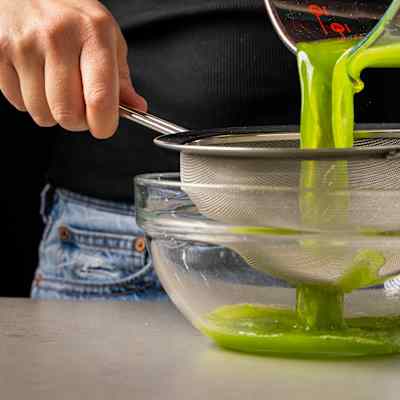
  3. Bring water and kombu to simmer in medium saucepan over medium heat. Once water reaches simmer, discard kombu and remove saucepan from heat. Stir in katsuobushi and let sit for 5 minutes. Strain dashi through fine-mesh strainer into large bowl; discard solids. Set aside. Do not wash saucepan or strainer.
  4. Bring 1 quart water to boil in now-empty saucepan over high heat. Add snow peas and 1 tablespoon salt and cook until peas are bright green and crisp-tender, about 1 minute. Using spider skimmer or slotted spoon, transfer snap peas to large plate in single layer. Add noodles to pot and cook for 1 minute. Drain noodles well in fine-mesh strainer. Transfer noodles to plate or cutting board and, using knife, cut noodles in half.
  5. Heat oil in Dutch oven over medium heat until shimmering. Add onion and cook until just starting to wilt, 2 minutes. (Onion should not brown.) Reduce heat to medium-low and add beef. Cook, stirring frequently, until beef is no longer pink, 5 to 7 minutes. Stir in soy sauce, mirin, sake, sugar, potatoes, carrots, dashi, and noodles and bring to simmer over high heat, occasionally skimming foam from surface.
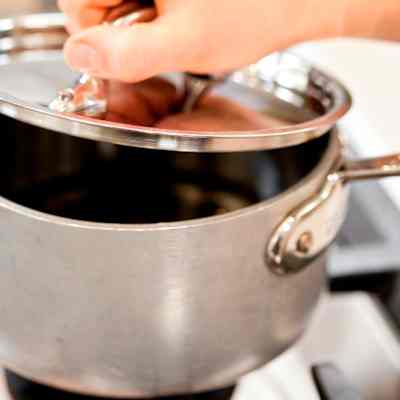
  6.  Reduce heat to maintain gentle simmer and cover with drop lid. Cook until potatoes are tender and can be easily pierced with tip of paring knife, 20 to 25 minutes. Remove pot from heat and let stand for at least 30 minutes or up to 1 hour.
  7. Add snow peas to pot and return dashi to simmer over medium heat. Transfer beef, potatoes, noodles, and vegetables to serving platter or individual shallow bowls. Spoon small amount of liquid over everything. Serve, passing remaining broth separately.

Nikujaga (Beef and Potato Stew)

Save

Time

1¾ hours, plus 30 minutes resting

Yield

Serves 4

Ingredients

¾ pound boneless rib-eye steak, cut crosswise into 1½-inch-wide pieces and trimmed
1½ pounds Yukon Gold potatoes, peeled
1 carrot, peeled
4 cups water
¾ ounce (two 4-inch pieces) kombu
¼ ounce (8 grams) Katsuobushi
Table salt for cooking vegetables and noodles
2 ounces snow peas, strings removed
7 ounces shirataki noodles
1 tablespoon vegetable oil
1 onion, halved and sliced into ½-inch wedges
¼ cup soy sauce
¼ cup mirin
3 tablespoons sake
1½ tablespoons sugar

Ingredients

¾ pound boneless rib-eye steak, cut crosswise into 1½-inch-wide pieces and trimmed
1½ pounds Yukon Gold potatoes, peeled
1 carrot, peeled
4 cups water
¾ ounce (two 4-inch pieces) kombu
¼ ounce (8 grams) Katsuobushi
Table salt for cooking vegetables and noodles
2 ounces snow peas, strings removed
7 ounces shirataki noodles
1 tablespoon vegetable oil
1 onion, halved and sliced into ½-inch wedges
¼ cup soy sauce
¼ cup mirin
3 tablespoons sake
1½ tablespoons sugar

Ingredients

¾ pound boneless rib-eye steak, cut crosswise into 1½-inch-wide pieces and trimmed
1½ pounds Yukon Gold potatoes, peeled
1 carrot, peeled
4 cups water
¾ ounce (two 4-inch pieces) kombu
¼ ounce (8 grams) Katsuobushi
Table salt for cooking vegetables and noodles
2 ounces snow peas, strings removed
7 ounces shirataki noodles
1 tablespoon vegetable oil
1 onion, halved and sliced into ½-inch wedges
¼ cup soy sauce
¼ cup mirin
3 tablespoons sake
1½ tablespoons sugar

Why This Recipe Works

Made in homes throughout Japan, nikujaga (Japanese for “meat and potatoes”) is a simple but flavorful dish of thin slices of meat and a generous portion of potatoes in a thin sweet-savory dashi (Japanese for “broth”). To start, we focused on making a simple dashi or broth by infusing water with kombu (kelp) and katsuobushi (bonito flakes). Next, we cooked thinly sliced beef rib eye to achieve rich, meaty flavor. We chose rib eye for its ease of preparation and tender, well-marbled texture and flavor. Mirin and sugar added the signature sweetness to this dish and balanced the heartiness of the beef and the brightness of the sake. Simmering everything together, along with the potatoes, for 20 to 25 minutes allowed the potatoes and meat to tenderize without overcooking. After simmering, we added a resting time before serving; this allowed for some of the broth to soak into the vegetables and for the flavors of the dish to meld.

Before You Begin

It’s important to use shirataki noodles, which are gelatinous noodles made from the root of the konjac yam plant (“shirataki” means “white waterfall”). The noodles are not heat sensitive, which allows them to be cooked for a long period of time without breaking down.

When trimming the steak, be sure to leave a ¼-inch fat cap intact for the best flavor. Use potatoes that are about 2 to 3 inches in diameter. Removing the sharp edges from the potatoes, a cutting technique called mentori, prevents the potatoes from breaking into pieces while cooking. Using a drop lid is helpful to keep the ingredients in place while they simmer and prevents them from breaking apart. You can purchase a drop lid or make one from parchment. Fold a 12-inch square of parchment into quarters to create a 6-inch square. With openings at the top and right sides, fold the bottom right corner of the square to the top left corner. Fold the triangle again, right side over left, to create a narrow triangle. Cut off ¼ inch of the tip to create a hole. Cut the base of the triangle straight across where it measures 5 inches from the hole. Open paper round.

Instructions

  1. Place beef on large plate and freeze until very firm, 35 to 40 minutes. Once firm, stand each piece on 1 cut side on cutting board and, using sharp knife, shave beef against grain as thin as possible. (Slices needn’t be perfectly intact.)
  2. While beef chills, cut small potatoes in half and quarter large potatoes. Using vegetable peeler or paring knife, remove sharp cut edges of potato pieces to create smooth corners. Starting at 1 end of carrot, hold knife at about 45-degree angle (relative to vegetable) and make diagonal cut. Roll carrot 90 degrees (quarter turn) and cut again at same angle. Continue rolling and cutting along length of carrot, adjusting position of knife to make angles more obtuse at thin end and more acute at thick end. Set vegetables aside.
  3. Bring water and kombu to simmer in medium saucepan over medium heat. Once water reaches simmer, discard kombu and remove saucepan from heat. Stir in katsuobushi and let sit for 5 minutes. Strain dashi through fine-mesh strainer into large bowl; discard solids. Set aside. Do not wash saucepan or strainer.
  4. Bring 1 quart water to boil in now-empty saucepan over high heat. Add snow peas and 1 tablespoon salt and cook until peas are bright green and crisp-tender, about 1 minute. Using spider skimmer or slotted spoon, transfer snap peas to large plate in single layer. Add noodles to pot and cook for 1 minute. Drain noodles well in fine-mesh strainer. Transfer noodles to plate or cutting board and, using knife, cut noodles in half.
  5. Heat oil in Dutch oven over medium heat until shimmering. Add onion and cook until just starting to wilt, 2 minutes. (Onion should not brown.) Reduce heat to medium-low and add beef. Cook, stirring frequently, until beef is no longer pink, 5 to 7 minutes. Stir in soy sauce, mirin, sake, sugar, potatoes, carrots, dashi, and noodles and bring to simmer over high heat, occasionally skimming foam from surface.
  6.  Reduce heat to maintain gentle simmer and cover with drop lid. Cook until potatoes are tender and can be easily pierced with tip of paring knife, 20 to 25 minutes. Remove pot from heat and let stand for at least 30 minutes or up to 1 hour.
  7. Add snow peas to pot and return dashi to simmer over medium heat. Transfer beef, potatoes, noodles, and vegetables to serving platter or individual shallow bowls. Spoon small amount of liquid over everything. Serve, passing remaining broth separately.

Gift This Recipe

Enjoyed this dish? Let others know by sharing it as a gift recipe.

This is a members' feature.