Parker House Rolls
By America's Test KitchenPublished on November 8, 2012
Time
4 to 5 hours, plus 15 minutes cooling
Yield
Makes 24 rolls

Ingredients
Before You Begin
With their unique folds, buttery gloss, and tender crumb, Parker House rolls are classic American dinner rolls at their very best. When rounding the dough and shaping the rolls, it is important to keep the remaining dough covered, otherwise it will quickly dry out and develop a skin. Rolling the dough into symmetrical rounds takes a little practice, but you will quickly get the hang of it. A dry, unfloured work surface helps because the dough will stick a little. Although we like using a French-style rolling pin for flattening the rolls, a more traditional option is a thin dowel or the handle of a wooden spoon. Whatever your choice, lightly flour it or the dough will stick to it.
Instructions
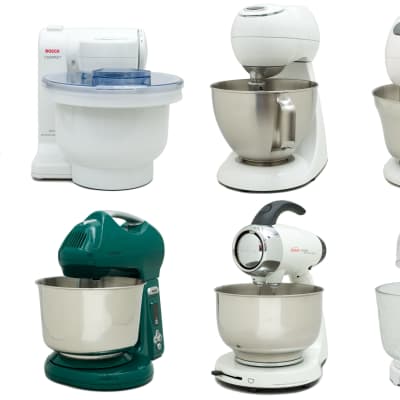
- Whisk flour, yeast, and salt together in bowl of stand mixer. Whisk milk, 8 tablespoons melted butter, egg, and sugar in 4-cup liquid measuring cup until sugar has dissolved.
- Fit mixer with dough hook. Slowly add milk mixture to flour mixture on low speed and mix until cohesive dough starts to form and no dry flour remains, about 2 minutes, scraping down bowl as needed. Increase speed to medium-low and knead until dough is smooth and elastic and clears sides of bowl but sticks to bottom, about 8 minutes.
- Transfer dough to lightly floured counter and knead by hand to form smooth, round ball, about 30 seconds. Place dough seam side down in lightly greased large bowl or container; cover tightly with plastic wrap; and let rise until doubled in size, 1 to 1½ hours.
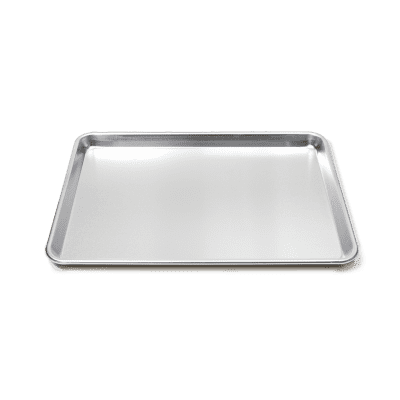
- Line 2 rimmed baking sheets with parchment paper. Press down on dough to deflate. Transfer dough to clean counter and use bench scraper to divide in half. Stretch each half into even 12-inch log, cut each log into 12 equal pieces (about 1½ ounces or 43 grams each), and cover loosely with greased plastic. Working with 1 piece of dough at a time (keep remaining pieces covered), form into rough ball by stretching dough with your thumbs and pinching edges together on bottom so top is smooth. Place ball seam side down on clean counter and, using your cupped hand, drag in small circles until dough feels taut and round. Cover dough balls loosely with greased plastic and let rest for 15 minutes.
- Working with few dough balls at a time, press balls into ¼-inch-thick rounds. Using thin handle of wooden spoon or dowel, firmly press down across width of rounds to create crease in center.
- Brush tops of rounds with 3 tablespoons melted butter. Fold in half along crease and gently press edges to seal.
- Arrange rolls on prepared sheets, spaced about 2 inches apart. Cover loosely with greased plastic and let rise until nearly doubled in size and dough springs back minimally when poked gently with your knuckle, 1 to 1½ hours. (Unrisen rolls can be refrigerated for at least 8 hours or up to 16 hours; let rolls sit at room temperature for 1 hour before baking.)
- Adjust oven racks to upper-middle and lower-middle positions and heat oven to 350 degrees. Gently brush rolls with remaining 3 tablespoons melted butter, then mist with water. Bake until golden brown, 20 to 25 minutes, switching and rotating sheets halfway through baking. Transfer rolls to wire rack and let cool for 15 minutes. Serve warm or at room temperature.


Time
4 to 5 hours, plus 15 minutes coolingYield
Makes 24 rollsIngredients
Test Kitchen Techniques
Ingredients
Test Kitchen Techniques
Ingredients
Test Kitchen Techniques
Why This Recipe Works
Parker House rolls are the fully loaded Cadillac of dinner rolls. These thin-crusted, fluffy-crumbed, glossy rolls are pillowy soft, a little sweet, and packed with butter. They owe their name to Boston's famed Parker House Hotel, which has been a bastion of hospitality since the middle of the 19th century. Luxurious as the dough is, the folded shape and buttery shellac are the hallmarks of these rolls. We found that the best way to shape the dough was to first roll each piece into a ball (as with standard dinner rolls) to redistribute the yeast and sugars and remove large bubbles of carbon dioxide. Then we lightly flattened each piece of dough into a round shape. Once the rounds were formed, we created a crease in the middle with the handle of a wooden spoon. Keeping the edges of the dough thicker than the center so that they adhered to each other when the dough rose ensured that the rolls didn't puff open during baking. Many recipes for Parker House rolls call for baking them in a dish; while we liked the height of the rolls baked together in a baking dish, the rolls in the middle of the dish were still gummy and raw long after the outer rolls were perfectly baked, and the sides of the rolls lacked browning. Instead, we arranged the rolls on a baking sheet; the rolls baked evenly from crust to crumb since they were all exposed to the same amount of heat. For buttery flavor and sheen, we brushed the rolls with melted butter before folding them and again before baking.




39 Comments