America's Test Kitchen LogoCook's Country LogoCook's Illustrated LogoAmerica's Test Kitchen LogoCook's Country LogoCook's Illustrated Logo

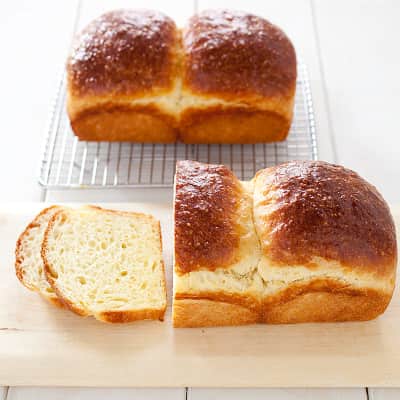
No-Knead Brioche à Tête

By Andrew Janjigian

Published on June 17, 2013

Time

1¾ hours, plus 17½ to 18 hours resting and 2 hours cooling

Yield

Makes 2 loaves
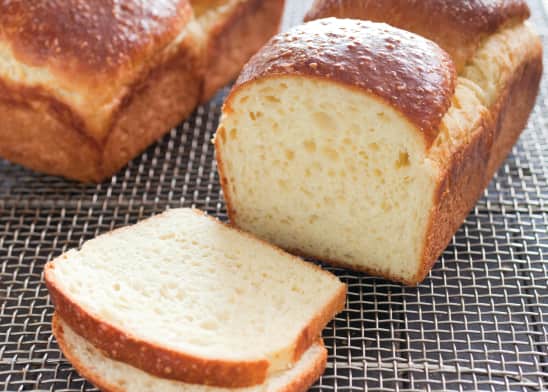
No-Knead Brioche à Tête

Ingredients

3 ¼ cups (17 ¾ ounces/503 grams) bread flour 2 ¼ teaspoons instant or rapid-rise yeast 1 ½ teaspoons salt 7 large eggs (1 lightly beaten with pinch salt)½ cup water, room temperature⅓ cup (2 ⅓ ounces/66 grams) sugar 16 tablespoons unsalted butter, melted and cooled slightly

Before You Begin

High-protein King Arthur Bread Flour works best with this recipe, though other bread flours will suffice. If you don’t have a baking stone, bake the bread on a preheated rimmed baking sheet.

Instructions

  1. Whisk flour, yeast, and salt together in large bowl. Whisk 6 eggs, water, and sugar together in medium bowl until sugar has dissolved. Whisk in butter until smooth. Add egg mixture to flour mixture and stir with wooden spoon until uniform mass forms and no dry flour remains, about 1 minute. Cover bowl with plastic wrap and let stand for 10 minutes.
  2. Holding edge of dough with your fingertips, fold dough over itself by gently lifting and folding edge of dough toward middle. Turn bowl 45 degrees; fold again. Turn bowl and fold dough 6 more times (total of 8 folds). Cover with plastic and let rise for 30 minutes. Repeat folding and rising every 30 minutes, 3 more times. After fourth set of folds, cover bowl tightly with plastic and refrigerate for at least 16 hours or up to 48 hours.
  3. Transfer dough to well-floured counter and divide into 2 pieces. Remove golf ball–size piece of dough from each. Pat 2 large pieces of dough into 4-inch disks and 2 small pieces of dough into 1/2-inch disks. Working with 1 piece of dough at a time, work around circumference of dough; fold edges of dough toward center until ball forms. Flip dough over and, without applying pressure, move your hands in small circular motions to form dough into smooth, taut round. (Tackiness of dough against counter and circular motion should work dough into smooth, even ball, but if dough sticks to your hands, lightly dust top of dough with flour.) Repeat with remaining dough. Cover dough rounds loosely with plastic and let rest for 5 minutes.
  4. Grease two 8- to 8½-inch fluted brioche pans. After 5 minutes, flip each dough ball so seam side is facing up, pat into 4-inch and 1/2-inch disks, and repeat rounding step. Place larger rounds, seam side down, into prepared pans and press gently into corners. Place smaller rounds, seam side down, in center of larger rounds, pushing down gently so only top halves of smaller rounds are showing. Cover loaves loosely with plastic and let rise at room temperature until almost doubled in size (dough should rise to about 1/2 inch below top edge of pan), 1½ to 2 hours. Thirty minutes before baking, adjust oven rack to middle position, place baking stone on rack, and heat oven to 350 degrees.
  5. Remove plastic and brush loaves gently with remaining 1 egg beaten with salt. Set pans on stone and bake until golden brown and internal temperature registers 190 degrees, 35 to 45 minutes, rotating pans halfway through baking. Transfer pans to wire rack and let cool for 5 minutes. Remove loaves from pans, return to wire rack, and let cool completely before slicing and serving, about 2 hours.
No-Knead Brioche à Tête
Styling by Marie Piraino.

No-Knead Brioche à Tête

Save

Time

1¾ hours, plus 17½ to 18 hours resting and 2 hours cooling

Yield

Makes 2 loaves

Ingredients

3 ¼ cups (17 ¾ ounces/503 grams) bread flour
2 ¼ teaspoons instant or rapid-rise yeast
1 ½ teaspoons salt
7 large eggs (1 lightly beaten with pinch salt)
½ cup water, room temperature
⅓ cup (2 ⅓ ounces/66 grams) sugar
16 tablespoons unsalted butter, melted and cooled slightly

Test Kitchen Techniques

Ingredients

3 ¼ cups (17 ¾ ounces/503 grams) bread flour
2 ¼ teaspoons instant or rapid-rise yeast
1 ½ teaspoons salt
7 large eggs (1 lightly beaten with pinch salt)
½ cup water, room temperature
⅓ cup (2 ⅓ ounces/66 grams) sugar
16 tablespoons unsalted butter, melted and cooled slightly

Test Kitchen Techniques

Ingredients

3 ¼ cups (17 ¾ ounces/503 grams) bread flour
2 ¼ teaspoons instant or rapid-rise yeast
1 ½ teaspoons salt
7 large eggs (1 lightly beaten with pinch salt)
½ cup water, room temperature
⅓ cup (2 ⅓ ounces/66 grams) sugar
16 tablespoons unsalted butter, melted and cooled slightly

Test Kitchen Techniques

Why This Recipe Works

Instead of painstakingly adding softened butter to the dough while it is kneaded, we simply melted the butter and added it directly to the eggs. We dispensed with the stand mixer altogether and opted for an equally effective no-knead approach that lets time do most of the work. To build structure and Ensure an even, fine crumb in the finished loaf, we divided the dough and shaped it into tight balls before placing them in the pans.

Before You Begin

High-protein King Arthur Bread Flour works best with this recipe, though other bread flours will suffice. If you don’t have a baking stone, bake the bread on a preheated rimmed baking sheet.

Instructions

  1. Whisk flour, yeast, and salt together in large bowl. Whisk 6 eggs, water, and sugar together in medium bowl until sugar has dissolved. Whisk in butter until smooth. Add egg mixture to flour mixture and stir with wooden spoon until uniform mass forms and no dry flour remains, about 1 minute. Cover bowl with plastic wrap and let stand for 10 minutes.
  2. Holding edge of dough with your fingertips, fold dough over itself by gently lifting and folding edge of dough toward middle. Turn bowl 45 degrees; fold again. Turn bowl and fold dough 6 more times (total of 8 folds). Cover with plastic and let rise for 30 minutes. Repeat folding and rising every 30 minutes, 3 more times. After fourth set of folds, cover bowl tightly with plastic and refrigerate for at least 16 hours or up to 48 hours.
  3. Transfer dough to well-floured counter and divide into 2 pieces. Remove golf ball–size piece of dough from each. Pat 2 large pieces of dough into 4-inch disks and 2 small pieces of dough into 1/2-inch disks. Working with 1 piece of dough at a time, work around circumference of dough; fold edges of dough toward center until ball forms. Flip dough over and, without applying pressure, move your hands in small circular motions to form dough into smooth, taut round. (Tackiness of dough against counter and circular motion should work dough into smooth, even ball, but if dough sticks to your hands, lightly dust top of dough with flour.) Repeat with remaining dough. Cover dough rounds loosely with plastic and let rest for 5 minutes.
  4. Grease two 8- to 8½-inch fluted brioche pans. After 5 minutes, flip each dough ball so seam side is facing up, pat into 4-inch and 1/2-inch disks, and repeat rounding step. Place larger rounds, seam side down, into prepared pans and press gently into corners. Place smaller rounds, seam side down, in center of larger rounds, pushing down gently so only top halves of smaller rounds are showing. Cover loaves loosely with plastic and let rise at room temperature until almost doubled in size (dough should rise to about 1/2 inch below top edge of pan), 1½ to 2 hours. Thirty minutes before baking, adjust oven rack to middle position, place baking stone on rack, and heat oven to 350 degrees.
  5. Remove plastic and brush loaves gently with remaining 1 egg beaten with salt. Set pans on stone and bake until golden brown and internal temperature registers 190 degrees, 35 to 45 minutes, rotating pans halfway through baking. Transfer pans to wire rack and let cool for 5 minutes. Remove loaves from pans, return to wire rack, and let cool completely before slicing and serving, about 2 hours.


Gift This Recipe

Enjoyed this dish? Let others know by sharing it as a gift recipe.

This is a members' feature.