Opinions about fish sticks vary. For some, dunking a fish stick in ketchup is the ultimate taste of nostalgia. For others, the sight of them brings back memories of subpar school lunches. We happen to love them (so does Queen Elizabeth II—just sayin’), and we think that fish sticks are more than just a retro food item. Gussy them up a bit, and they can be a proper, modern meal. Nestle a few in a warm tortilla and top them with salsa and a creamy, crunchy slaw for a busy weeknight take on a fish taco, or tuck them into a soft roll with a smear of mustard and some minty mushy peas for a British-inspired bite.
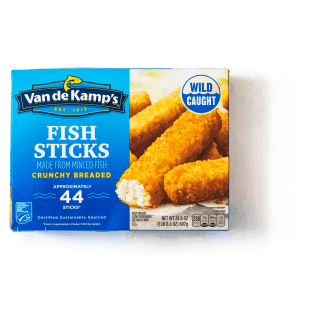
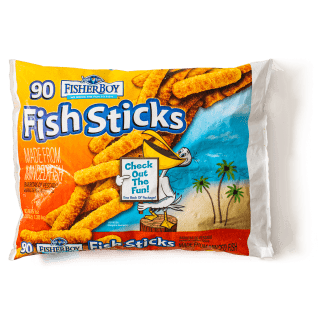
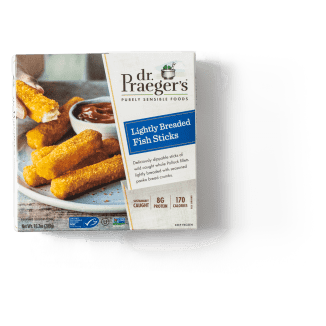
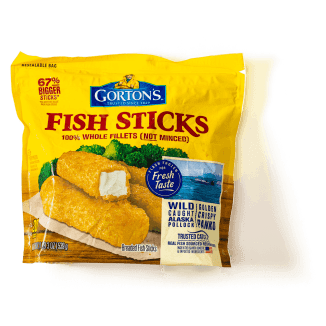
We set out to find a fish stick with the perfect balance of crunchy coating and flaky, mild, and sweet fish—in other words, a fish stick that could stand on its own (and maybe even please our fish-skeptical friends). Our search led us to supermarket freezer sections around the Greater Boston area, and we came back with six nationally available products made from either whole fish fillets or minced fish. Five are made with pollock, and one is made with a blend of cod, pollock, haddock, sole, and whiting.

Fish sticks can be gussied up in myriad ways; we like tucking them into a taco with creamy coleslaw and a spicy sauce.
Fish Taste, Not Preparation, Matters More
Two of the products were whole fish fillets cut into “stick” shapes. The other four were made of minced fish. To mince fish for fish sticks, the skin and bones are mechanically removed, which breaks up the flesh in the process. The minced fish is then squished together into large blocks and frozen. The frozen blocks are cut into the familiar fish “stick” shape before being breaded and par-fried. Surprisingly, we didn’t have a strong preference for sticks made with whole fillets over those made with minced fish. Tasters preferred fish sticks that had a flaky and tender interior texture to fish sticks that were mushy, and how the fish was prepared didn't necessarily equate to a good or bad texture.
Fish flavor mattered more. In general, tasters preferred fish sticks made from wild-caught Alaskan or Atlantic pollock, fish from two different species that are both sustainable, according to the National Oceanic and Atmospheric Administration (NOAA). Alaskan pollock is an abundant northern Pacific fish that is similar in flavor and texture to cod. Atlantic pollock is found on the Eastern seaboard and has a slightly firmer and oilier flesh. Both have a mild, sweet flavor that tasters found reminiscent of “classic fish sticks from childhood.” One Alaskan pollock–based fish stick ended up low in the rankings because it tasted “fishy in all the wrong ways”; this was likely due to the freshness of the fish and how it was handled.

Fish sticks made from pollock, both the Atlantic and Alaskan varieties, have a mild, sweet flavor. Bonus: Both kinds of pollock are considered sustainable by the National Oceanic and Atmospheric Administration.
Then there was the Frankenstein’s monster of the lineup, a fish stick made of cod, pollock, haddock, sole, and whiting. Tasters found that these fish sticks had “a dark, earthy flavor . . . like an oily fish” and tasted like “breaded and fried canned tuna.”
With this in mind, we recommend purchasing fish sticks made from one type of mild fish, preferably mild, sweet Alaskan or Atlantic pollock (Alaskan pollock is labeled as such, while Atlantic pollock is often referred to as just “pollock”).
The Taste of the Breading Is More Important than the Amount
All the fish sticks we tasted were breaded, but not all breading was created equal. Tasters thought the best fish sticks were the ones with “excellently crunchy” and “buttery” breading instead of coatings that were “gummy,” “chewy,” and “bland.”
To delve into what made up the best breading, we first considered the amounts. Did more or less breading equal a better stick? To find out, we calculated the breading-to-fish ratio of our winning and least favorite fish sticks using the NOAA’s guidelines (yes, they have step-by-step instructions on how to do this as part of their grading of frozen fish products). After we’d meticulously scraped away the breadings to expose their withered-looking interiors (seeing a naked fish stick was . . . jarring), we discovered that the ratios were virtually identical. So as it turns out, the amount of breading wasn’t the deciding factor in determining the quality of a stick.

After meticulously scraping off breading and calculating the breading-to-fish ratio, we discovered the amount of breading wasn't as important as the taste of the breading.
Next we looked at the texture of the coatings. We found no major difference in bread crumb grain size that might make for a crunchier coating. We did notice top-rated sticks came out of their packages with rich golden brown crusts while lower ranked sticks arrived pale and wan. It was clear our top-rated brands brown their fish sticks more effectively at the factory, likely either by toasting their breadcrumbs more deeply before coating and/or by dialing in the time and temperature during the par-frying stage.

Fish stick preparation varied, and even when still frozen, differences were stark. Our favorite sticks (far left) came out of the package with a rich golden crust color, while others were pale and wan. We suspect our top-rated brands toasted their breadcrumbs more deeply and/or dialed in the par-frying process during manufacturing.
We then looked at nutritional labels to see if there were any trends in fat and sodium, but we didn’t see any meaningful data. However, we did notice that one of our winning fish sticks listed “natural flavor” in its ingredient list. This fish stick was described as deliciously “buttery” by tasters, and according to our science research editor, those natural flavors could be the reason.
Natural flavors are chemical compounds derived from plant or animal sources; they are added by food manufacturers to add specific flavors without adding an actual ingredient. This can include chemical compounds such as diacetyl, which has a buttery flavor.

Both our winning products had simple ingredient lists with a noticeable lack of additives, such as food colorings and preservatives. In contrast, our least favorite sticks had a slew of additives, including titanium dioxide, a food coloring that is no longer considered safe for consumption by the European Food Safety Authority.
Shopping Tip: The Fewer Additives and Ingredients, the Better
While nutritional labels didn’t tell us much about what determines optimal fish stick flavor and texture, we did notice that both our winning products had simple ingredient lists with a noticeable lack of additives, such as food colorings and preservatives. For example, one of our winning fish sticks contains only minced pollock, a bread crumb coating (wheat flour, water, sugar, salt, yeast, and whey) and vegetable oil. In contrast, our least favorite fish stick contains ingredients such as sodium tripolyphosphate (which retains moisture) and titanium dioxide, a food coloring that is no longer considered safe for consumption by the European Food Safety Authority. Our takeaway: The simpler the list of ingredients, the better.
The Two Winners: Both Are Made by Gorton's

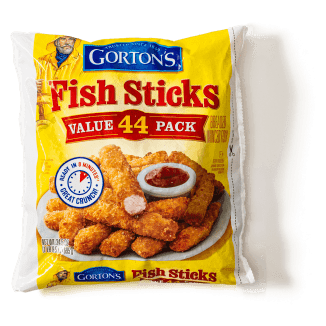
Gorton’s Crunchy Breaded Fish Sticks and Gorton’s Original Crunchy Breaded Fish Sticks both had a mild, sweet fish flavor and crunchy breading and were delicious. Both winners from Gorton’s are made with wild Alaskan pollock fillets, one in whole form, the other minced, and both had very few additives and preservatives. Even our fish-skeptic friends were fans.
- Taste six different products, priced from about $0.20 to about $0.70 per ounce, selected from best-selling, nationally available brands (sourced with data from IRI, a Chicago-based market research firm) and purchased online and in Boston-area supermarkets
- Sample plain, baked according to package directions
- Examine the breading-to-fish ratio of the best- and worst-ranked fish sticks using a method provided by NOAA and used to grade fish products
- Made of only Alaskan or Atlantic pollock
- Crunchy breading
- Mild, slightly sweet fish flavor
- Few additives and/or preservatives