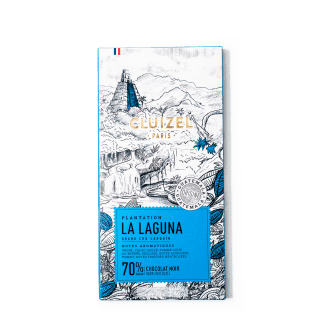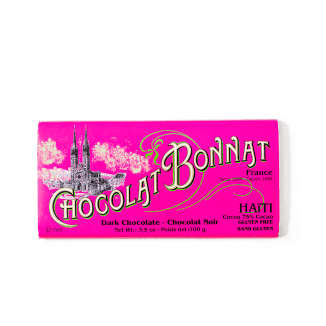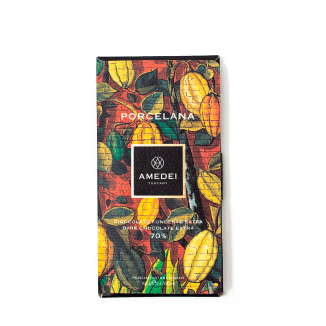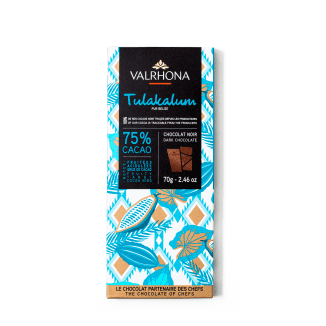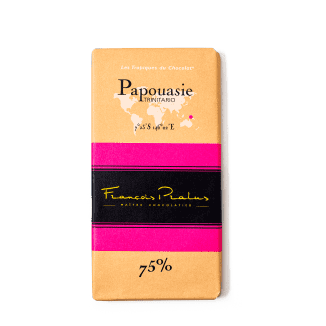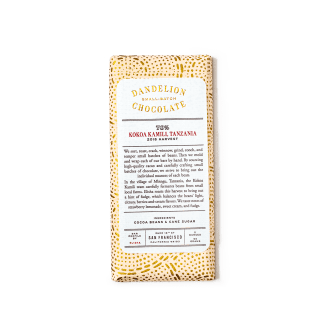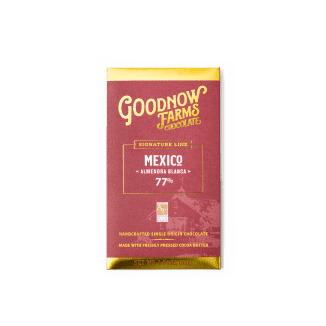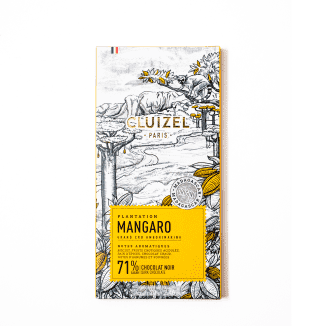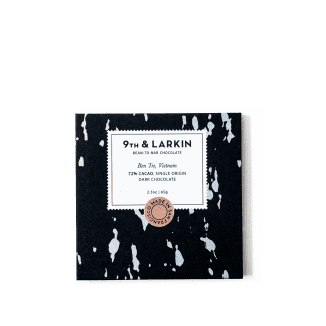
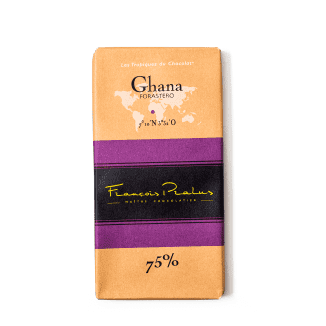
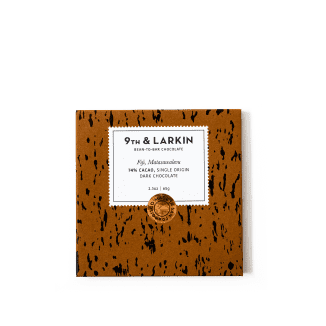
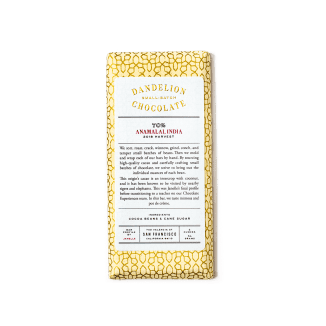
The chocolate market has recently exploded with bars labeled “single-origin.” Their wrappers rival French wine labels in complexity, with detailed tasting notes and specific places of origin. But beyond the fact that the cacao for each of these chocolates is sourced from a single provenance, we didn't know much about single-origin chocolates. We wanted to learn more. To find out, we talked to experts and tasted 15 single-origin bars from 14 countries: Belize, Mexico, Ecuador, Madagascar, Guatemala, Venezuela, Fiji, Vietnam, Ghana, Papua New Guinea, Haiti, Peru, India, and Tanzania.
We noticed two things right off the bat. First, single-origin chocolate bars are expensive, often because it can be more difficult to source single-origin cacao beans rather than mixed bulk beans. Second, most of the single-origin chocolate on the market is dark—the bars we tasted ranged from 66 to 77 percent cacao.
No two bars we tasted were the same. Some were floral, others fruity; some were fudgy and ultrachocolaty. Some blew our minds with flavors of shiitake mushroom, tobacco, and grape must. Textures varied, too; bars were “crisp,” “feathery,” “snappy,” “velvety,” and “creamy and smooth.” Preferences varied widely, and we learned that what tasters liked in a bar of chocolate was subjective. Read on to find out which single-origin bar you might want to try, or host a chocolate tasting party (even a party of one!) and try bars from different places to compare.

A Brief History of Cacao
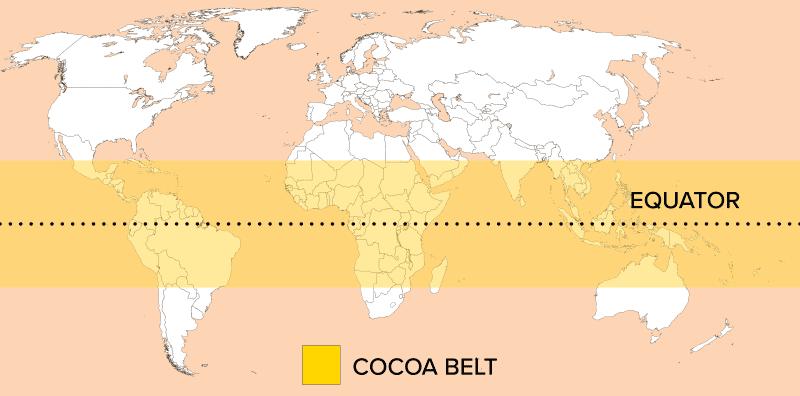
The cacao tree (Theobroma cacao), native to the upper Amazon basin region of Central and South America, was highly prized by the Olmec, Mayan, and Aztec civilizations. When the Spanish colonized the Americas, they brought cacao beans back to Europe, where they were ground and mixed with sugar to produce chocolate that pleased European palates. Over time, cacao trees became more widely cultivated. Today, most cacao is grown in the Cocoa Belt, an area 20 degrees on either side of the equator that encompasses 50 countries, all with rainforest environments.
So What Is Single-Origin Chocolate?
Chocolatiers typically use a mix of cacao beans sourced from different locales to achieve a certain flavor profile. Larger manufacturers such as Nestlé and Hershey have their own proprietary blends, but manufacturers of single-origin chocolates often source beans from one grower, making their bars pure expressions of those singular locations. As Greg D’Alesandre, the “chocolate sourcerer” of Dandelion Chocolate in San Francisco, explained, “For a time, people were seeing single-origin as coming from a single country, but even across a country there is a massive amount of variation. At this point, ‘single-origin’ tends to mean it comes from a single producer.” For example, one bar we tasted is made with cacao from the Plantation La Laguna, which is “nestled in the mountainous forest of Alta Verapaz, central Guatemala,” according to the manufacturer’s website.

“For a time, people were seeing single-origin as coming from a single country, but even across a country there is a massive amount of variation.”
—Greg D’Alesandre, the “chocolate sourcerer” of Dandelion Chocolate
Let’s Talk Terroir
Part of the appeal of single-origin chocolate is its terroir—the unique characteristics imbued by the land and climate where the cacao was grown. Genetics and bean variety may also play a role in flavor. One bar made with beans harvested in Mexico tasted like dry sherry, while a bar with beans from Ghana was richly chocolaty. In addition to terroir and other factors, how the cacao is handled by the grower and how it is processed by the manufacturer also affect each bar's flavor.
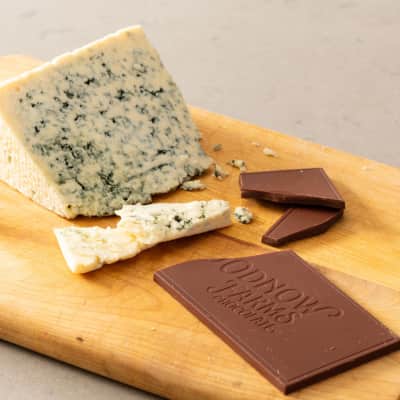
How to Host a Chocolate Tasting
Single-origin chocolate just begs to be shared with friends and family. We got tips from an expert on how to host a fancy chocolate tasting.
read moreA Note on Texture
While we’ve rhapsodized about the nuanced flavors of single-origin chocolate, we would be remiss if we didn’t talk texture. The bars in our tasting varied greatly in texture, which could be the result of variations during the chocolate-making process, including the following.

- Added cocoa butter: Cocoa butter is a fat extracted from cocoa beans that adds richness and a creamy mouthfeel to chocolate and also helps it melt smoothly. While trace amounts are left in the cacao nibs, oftentimes more is added to the bar. Since cocoa butter is a fat, it adds richness and a creamy mouthfeel and also helps the bars melt smoothly.
- Added emulsifiers: Lecithins, which are sometimes derived from soybeans or sunflower seeds, act as emulsifiers, binding the cocoa butter and the other ingredients, ensuring a smooth melt.
- Conching: This is a part of the chocolate-making process when the chocolate is heated and constantly stirred. This helps distribute the cocoa butter evenly and “polishes” the chocolate particles, helping create a smooth bar.
- Tempering: This is the final—and critical—stage of the chocolate-making process. When a bar is properly tempered (i.e., heated and cooled to stabilize the cocoa butter in the chocolate), it results in a smooth, glossy bar with a nice snap. It also results in a bar that takes longer to melt, which allows the nuanced flavors of the bar to come through with each bite. Improperly tempered chocolate is matte and rough and can have cocoa butter blooms or striations on its surface.
Buying Single-Origin Chocolate
With so many bars and brands on the market, it can be overwhelming to choose even one bar of single-origin chocolate. But fear not! It’s all about trying new things and having fun eating chocolate (it is just chocolate after all!). D’Alesandre suggests treating single-origin chocolate like wine: Once you find a bar you like, seek out similarly labeled bars. “Once you know you enjoy Sauvignon Blanc from Marlborough . . . you can feel pretty confident that you can pick up a bottle from a new company with those same characteristics and enjoy it,” he says.
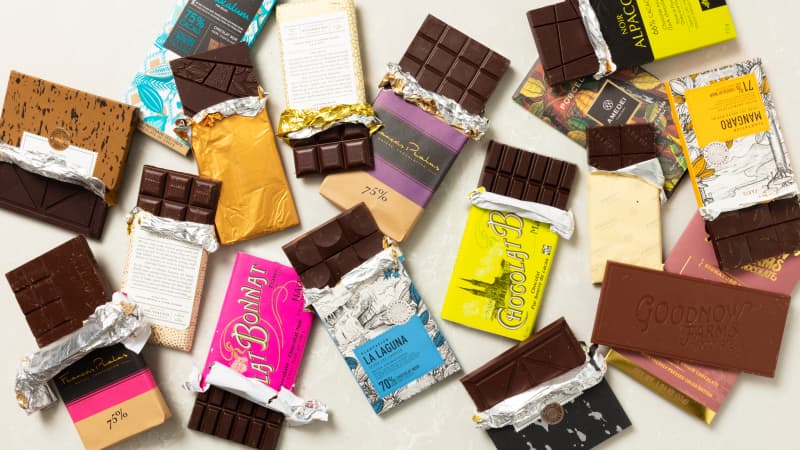
To get you started, we’ve compiled tasting notes for 15 unique bars. We didn’t rank the bars we tasted. Instead, we’ve sorted the bars into the three distinct flavor categories that emerged during our tasting: fudgy, ultrachocolaty bars; fruity, acidic bars; and herbaceous, funky, earthy bars.
- Sample 15 single-origin bars from 14 different countries