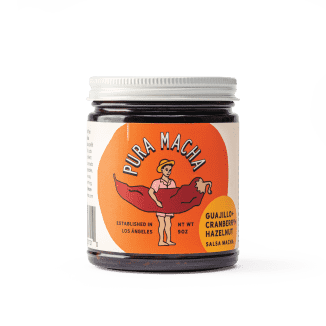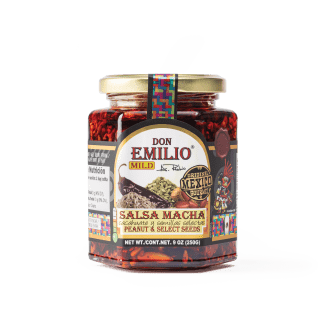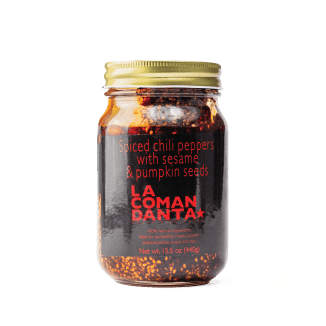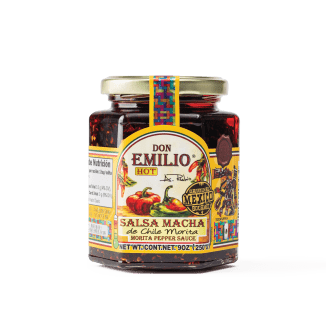
In Mexico, salsa macha is a do-it-all condiment offered at taquerias, cantinas, and marisquerías (shellfish restaurants). And it’s also made and served at home. People drizzle it over tacos or pizza, add it to eggs, and in some cases, use it as a marinade for meat and seafood. While salsa macha has long been a kitchen staple in Mexico, jarred versions are increasingly available in American supermarkets and specialty shops. To learn more about this salsa, we purchased and tasted 16 different kinds with a range of ingredients and heat levels and interviewed chefs, journalists, and cookbook authors.

Unlike the more ubiquitous tomato and tomatillo-based salsas of Mexico, salsa macha is oil-based and marked by its spicy and smoky character. There are variations within the category too. It ranges in color from ruby-red to chocolate brown and varies in texture from a smooth, oily paste to a mix of crunchy nuts swimming in umami-rich oils. Regardless of the brand, salsa macha packs hearty flavors, melding dried chiles, nuts, and seeds with punchy garlic, and it’s good on just about everything.
The Origin of Salsa Macha
Salsa macha is believed to have originated in Veracruz, a port city nestled on the Gulf of Mexico, where merchants from Africa, Europe, and South America came via the Caribbean Sea to trade. “Veracruz was like the New York City of Mexico,” said Rick Martinez, author of the Mexican cookbook Mi Cocina (2022).
The concentration and intermingling of trade resulted in Veracruz becoming an incredible mixture of cultures, ideas, and cuisines that built upon indigenous foodways but also “pull[ed] influences from Spanish, African, French, Cuban, and other Caribbean cultures,” he added. Once they reached Mexico, spices and produce from the old world, such as sesame and garlic, became essential for daily cooking. “The indigenous peoples of Veracruz have a fried chile de árbol salsa with cacahuate [Nahuatl word for ‘peanuts’], which might be the predecessor of what’s known as salsa macha today,” explained journalist Bill Esparza, author of L.A. Mexicano (2017). Martinez also emphasized that Veracruz was an agricultural state, where lush mountains and vast arable lands provided an ideal environment for growing chiles (notably the jalapeño, which when smoked becomes a chipotle), cacao, vanilla, and peanuts. With the mingling of this locally grown produce, salsa macha was born.
How Salsa Macha Is Made
The name “macha” comes from the Spanish word “machacar,” meaning to break, grind, and pulverize. The most basic form of salsa macha has four main elements: dried chiles, oil, garlic, and nuts.

You can’t make a salsa without garlic because it’s a building block of all Mexican salsas.
—Paola Ibarra Deschamps, assistant director of programs at David Rockefeller Center for Latin American Studies at Harvard University and owner of Barra, a Mexican restaurant in Somerville, Massachusetts
Traditionally, salsa macha starts by frying chopped dried chiles in a neutral oil. According to Martinez, chile de árbol or chile morita (a type of chipotle) are most common. As the chiles fry, they darken and become more aromatic. “The fried chile flakes in the end shouldn’t be too dark, or the chiles would start to taste bitter and unpleasant,” Martinez cautioned. Once the chiles are perfectly crisp, they’re removed from the oil and garlic is added. It’s a familiar ingredient. “You can’t make a salsa without garlic because it’s a building block of all Mexican salsas,” said Paola Ibarra Deschamps, assistant director of programs at David Rockefeller Center for Latin American Studies at Harvard University and owner of Barra, a Mexican restaurant in Somerville, Massachusetts.

Peanuts, sesame seeds, pepitas, and other nuts and/or spices are added to the mix, intensifying its flavor, aroma, and piquancy. These extra ingredients also help add texture to the salsa. Typically, the mixture is pulverized into a paste in a blender before adding a bit more frying oil. All recipes for salsa macha vary slightly, but there are some specific subcategories. Salsa de semillas (seeds) from Michoacán on the Pacific side of Mexico forgoes the blender step and leaves the seeds and pepitas whole, giving the salsa an extra nutty and crunchy texture. Another, salsa macha de cacahuate, contains considerably more crushed peanuts than traditional salsa macha.
The Type of Chiles Determine the Flavors of Salsa Macha
Mexico is home to more than 60 varieties of chiles, so it’s common to mix and match them when making salsa macha. Whatever the combination, it should include some chiles with some heat. “It should sting a little,” Esparza says.

The hottest chile variety commonly used in salsa macha is dried chile de árbol, which averages between 15,000 to 30,000 Scoville Heat Units (SHU)—about six times hotter than a jalapeño pepper. It’s vibrantly red when fresh and contributes a bright red hue when used as the primary chile in salsa macha. Still spicy yet less intense than chile de árbol are chile morita and chile meco, two kinds of smoky chipotle peppers. Chile morita strikes a balance between fruity and smoky, while the longer-smoked chile meco imparts more intensely smoky and charred flavors to salsa macha. Other types of fruit-forward peppers, such as guajillo and ancho, balance out the fiery spiciness.
Shopping for Salsa Macha
With many brands and varieties of salsa macha available, what can you expect when you buy one? The 16 jars we purchased came from specialty shops, supermarkets, and online. They were made in the United States or Mexico by a mix of small businesses and established brands. We tasted each plain and with scrambled eggs.

The colors varied from translucent red to molasses-y brown. Some were thick pastes suspended in aromatic oil, while others had very little oil. Some had whole seeds and roughly chopped dried peppers that offered crunchy bites whereas others were smooth.
Apart from the four key ingredients—chiles, oil, garlic, and nuts—we recognized many other ingredients by both sight and flavor. In addition to or in place of peanuts, some used hazelnuts or almonds; all added warm, roasty notes. Dried cherries, dried cranberries, and raisins amped up the fruity flavor and contributed pleasant chewiness. Cacao nibs and coffee helped support the smoky notes of some of the chiles, adding savoriness and complexity. Finally, we noticed a variety of spices and herbs, including Mexican oregano, turmeric, and even cumin, which was “an unorthodox ingredient in traditional cooking in the parts of Mexico that include Veracruz (where salsa macha originated),” says Mexico City–born chef Leonel Muñoz of the restaurant Barra in Somerville. However, it’s common in the Yucatan and in Nuevo Leon, and Esparza pointed out that it’s “popular in Tex-Mex cuisine.”
Rather than ranking the products, we decided to list them from mildest to hottest, using the average spiciness rating each salsa received. We’ve also provided tasting notes for each one in the hope that you’ll be able to find products that match your preferences. Read on to learn about the incredible salsa macha we tasted.
- Sample plain
- Sample with scrambled eggs