The Summer Fancy Food Show is an annual event that showcases innovation in the specialty food industry. Buyers, food producers, and industry professionals attend the three-day bonanza to sample craft cheese, snacks, pantry staples, beverages, and more.
The event is often the industry’s first peek into what might appear in local grocery stores in the near future. We spent two days walking the show in New York City to see what trends are emerging in the specialty food market.
Sign up for the Well-Equipped Cook newsletter
Shop smarter with our ATK Reviews team's expert guides and recommendations.
Trend #1: Charcuterie Boards Have Staying Power
Exhibitors are going ham on charcuterie boards, churning out premium cold cuts, accoutrements, and craft cheeses. With millennial and Gen Z consumers being their target audience, some retailers leaned on the aesthetics and messaging, notably Mercado Famous, a New York-based company that sells Spanish cured ham and sausages of various grades.
Cheesemongers are infusing new flavors into their artisanal cheesemaking. New York-based Nettle Meadow Farm features a big lineup of soft cheeses flavored with lavender, honey, and other ingredients.

Trend #2: Boozy Beverages are OUT
The nonalcoholic beverage segment has seen no slowdown in its continued growth. A change in consumer perception in the category has translated into more interest in nonalcoholic beer, wine, and spirits.
This year, the category is not only expanding, but it’s also getting craftier, targeting beverage connoisseurs who are well-educated on craft beer, wine, and spirits. For instance, Ooso, a natural wine-inspired nonalcoholic sparkling tea, is one of the industry’s few attempts at replicating a natural wine in nonalcoholic form.


The Best Nonalcoholic Beer
Nonalcoholic beer is having a moment. With big-name brands and craft-beer brewers joining the game, which should you stock up on?
Read Our ReviewTrend #3: Boozy Food is IN
Boozy snacks and cheeses were on the rise. Some were snacks with boozy flavors that don’t actually contain alcohol, for instance the Guinness-flavored crisps by Irish company Keogh’s. And some were actually infused with alcohol, such as Nettle Meadow Farms’s triple crème that has a hint of apple brandy.

Trend #4: Savory “Sprinkles” for Bold Finishers
Different from seasonings, savory food sprinkles (taking inspiration from Japanese dry condiment furikake) are meant to be sprinkled on top of foods to add an extra layer of texture while boosting the flavor of the dish. Other versions sprang up at the show this year.
The Spaghetti Dust by New York-based pasta company L’Isolina contains traditional Italian flavors, such as Calabrian chili, garlic, parsley, and sea salt. According to L’Isolina, this condiment not only adds depth of flavor to pasta and pizzas, but it’s also great for baking, such as mixed into garlic bread dough.

Trend #5: Koji-Based Deli Meat Alternatives
Meat alternatives are becoming deceptively close to the real deal they’re imitating. Prime Roots, a company that specializes in koji-based meat alternatives, released their lineup of cured ham, bacon, and even sausages.
Different from traditional plant-based meats, Prime Roots uses koji (a type of fungus) to mimic the texture and flavor of meat. Its vegan bacon also has the appearance of a real slab of pork belly, with clear sections of lean and fat meat.
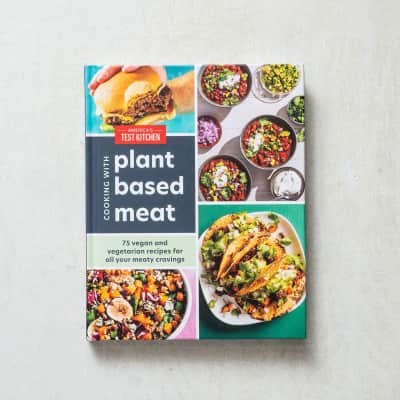
Cooking with Plant-Based Meat
The recipe experts at America's Test Kitchen show how to cook 75 recipes successfully with modern meat mimickers—producing juicy, savory, meaty flavor—that make meat-free eating into a luxurious (and even preferable!) experience.
Buy NowTrend #6: European Tinned Fish Gets a Makeover
Tinned seafood, which has caught on in the United States in the past decade or so, is continuing its growth trajectory led by the success of domestic companies such as Fishwife. Traditional canneries, which are mainly European, are taking notice too.
Spanish vendor Portomar and Portuguese brand Da Morgada launched cans redesigned to appeal to the younger market, with attention-catching fonts and lively graphics. Others broadened their offerings to include flavors that weren’t typical for tinned fish, such as fish in piri-piri seasoning and tinned fish pâté.