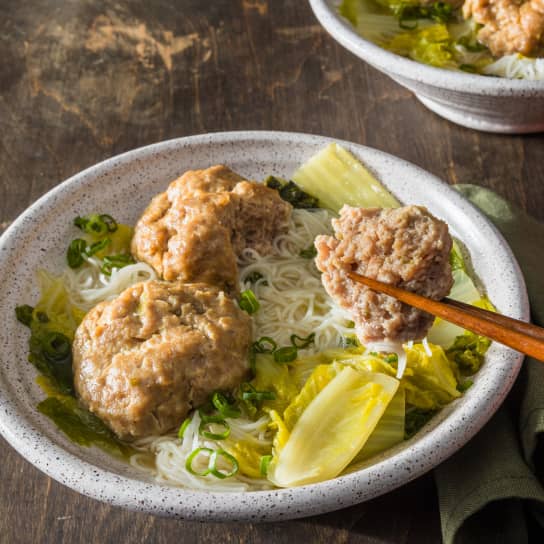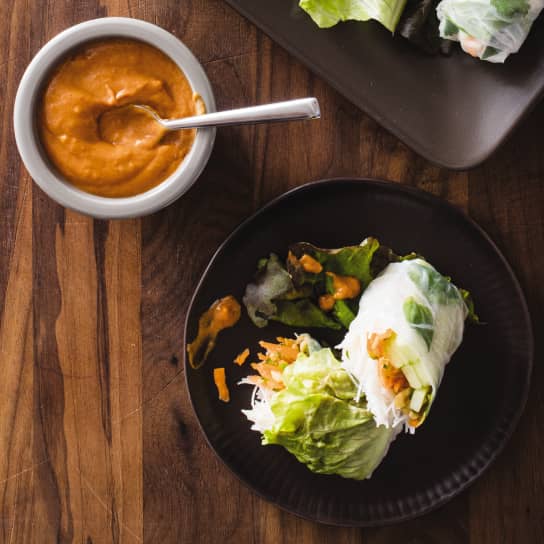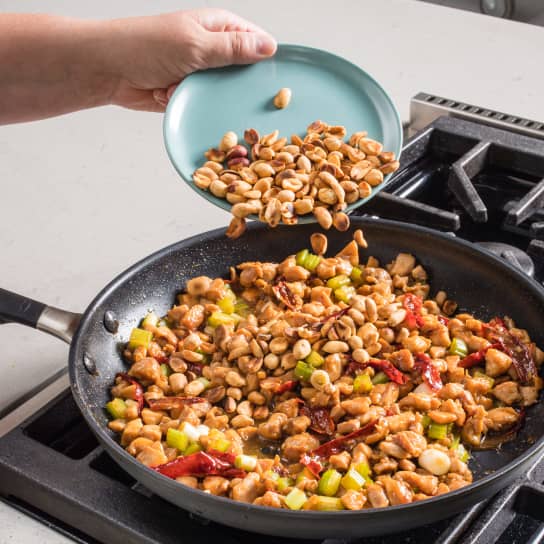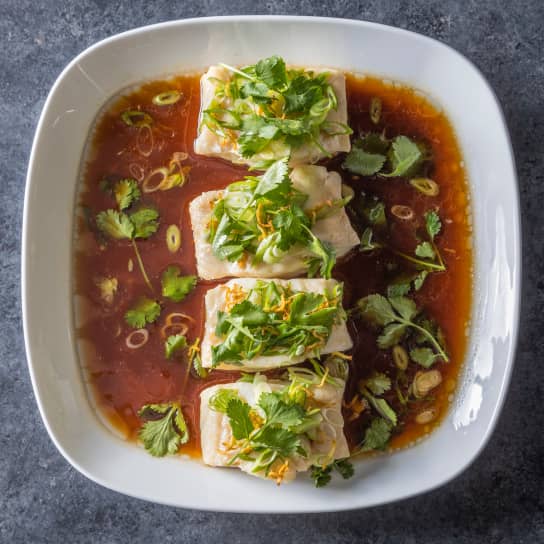
There are few better times to dream than during the New Year. Amid the crimson lanterns, vivid bushels of fruit, and countertops strewn with flour from making dumplings, there is a sense that every item of food, every filled glass, and every dinnertime conversation carries meaning.
This cocktail, made with pomelos and baijiu, is no exception, created to reflect the communal spirit of hope for the new year.
Sign up for the Dinner Tonight newsletter!
Weeknight cooking inspiration, curated and written by longtime ATK author and editor (and avid home cook) Jack Bishop.
Baijiu—the name translates to “white liquor” in Mandarin—is the most-consumed spirit in the world, surpassing whiskey, vodka, gin, rum, and tequila combined. In China, it is often sipped with meals. Baijiu is typically distilled from sorghum using a fermentation starter called qu in Mandarin, which is derived from pulverized grains. The recipe for qu is unique to each distillery, leading to vastly different flavors of baijiu.
In recent years, Americans—casual drinkers and innovative mixologists both—have started to appreciate and embrace the spirit.
Baiju Primer
Baijiu can be categorized into four primary varieties: light aroma (or qingxiang in Mandarin), rice aroma (mixiang), strong aroma (nongxiang), and sauce aroma (jiangxiang, referring to the savory notes of soy sauce). We used strong-aroma baijiu for this cocktail, but it is delicious with any type of the spirit.
The cocktail here marries baijiu with pomelo, a large, vibrant citrus fruit called you zi in Mandarin (“you” is a homonym for the word “have” in Mandarin). Like many fruits consumed in Chinese culture, pomelos are commonly shared. I have fond memories of eating pomelo wedges over the sink on a warm afternoon, elbow to elbow with my younger sister as the sweet, sticky juice dripped down our arms.
To pay homage to those moments of pure delight, I used a strong-aroma baijiu, which has tropical notes of pineapple and anise. An equal amount of elderflower liqueur, which has a sweet, floral flavor, enhanced the complex backdrop. Using both lime juice and pomelo juice kept the cocktail citrus-forward with tart, high-acid flavors; once shaken with ice, the cocktail was pleasantly chilled and diluted just enough to bring everything into balance. After pouring it over ice in a rocks glass, I added a few drops of peppercorn oil to punctuate the mixture and create a tingling sensation to amplify the drink’s citrusy brightness.

Pomelo Baijiu “Dream Tree” Cocktail
Celebrate with a drink built on baijiu, the most-consumed liquor in the world.
Get the RecipeFamily is the pillar of the New Year, and so I named this cocktail with my own family in mind. The term “Dream Tree” is a derivation of my Chinese name, Mengtong (梦桐). “Meng” is my mother’s maiden name and translates to “dream,” while “tong” refers to a sycamore tree, where (according to Chinese legend) the phoenix perches to rest. This naming pattern is passed on throughout my family; my sister’s Chinese name is Mengyang, with “yang” referring to another type of tree.
Serve this invigorating cocktail as a predinner drink while folding dumplings or making noodles. Or have it alongside the meal itself as a refreshing palate cleanser. Either way, you’ll usher in a fortuitous year with every sip.