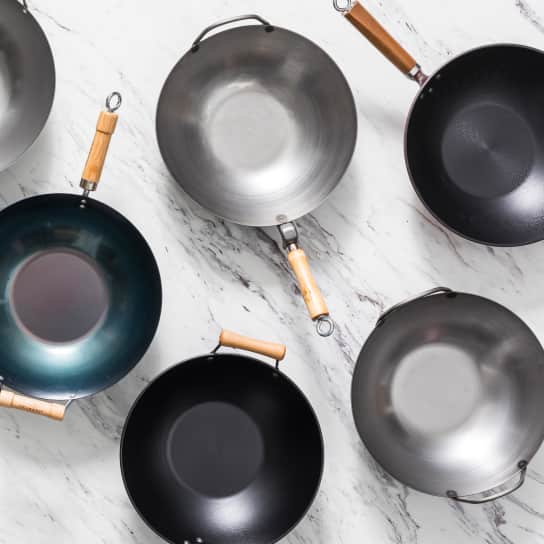
Each type of cookware has different needs for use and care.
We often specify when a certain type of cookware is best for the job—giving the best sear on a steak or keeping a sticky sauce from burning. We know that people have different preferences and may be interested in using specific types of cookware. But there are times when using a pan for the wrong task can damage the pan, produce off-flavors, or even pose a potential health risk.
Here’s how to use the most common types of cookware safely and successfully.
Nonstick Pans
Traditional nonstick coatings are made from a slick plastic called polytetrafluoroethylene (PTFE), best known by the brand name Teflon. PTFE coatings are convenient but need to be kept within strict temperature limits. Care must also be taken when cleaning these pans so as not to damage the nonstick surface.
Note that most ceramic coatings used on cookware—along with silicone and silicone-ceramic bakeware coatings—are made without PTFE and do not carry the same risks. Manufacturer information can be misleading; make sure the packaging clearly states that the cookware is PTFE-free.
- Never let a nonstick pan exceed 500 degrees Fahrenheit. Above 500 degrees, the PTFE begins to break down and release toxic fumes. In humans, this can cause “polymer fume fever” (flu-like symptoms), and the fumes are fatal to pet birds.
- On the stovetop, don’t exceed medium-high heat. This makes it less likely that the skillet will reach unsafe temperatures.
- For oven use, don’t exceed 450 degrees Fahrenheit. Ovens cycle up and down in heat while in use. Setting the temperature at or below 450 degrees ensures that the pan remains safely below the 500 degree threshold.
- Always have fat or food in the pan before you turn on the burner. Heating an empty nonstick pan causes the temperature to spike. Add a bit of cooking fat to your nonstick skillet before heating it, as these fats smoke at lower temperatures (usually around 350 or 400 degrees, depending on the type of fat), providing a visual cue when the pan is getting hot.
- Avoid using metal spatulas, spoons, or knives. Even a tiny scratch can compromise the nonstick functionality of a nonstick surface.
- Clean all nonstick surfaces with soft, non-abrasive sponges. These include the nonstick surfaces in air fryers and multicookers. While all nonstick coatings gradually wear off, scrubbing with abrasive materials speeds up the process.
- Avoid commercial cooking sprays containing lecithin. Even when used at comparatively low temperatures, lecithin clings to the surface and creates a sticky residue. Removing it requires aggressive scrubbing, which will inevitably damage the nonstick layer.
- Avoid putting a hot pan under cold water, as it may warp the pan. Rapid temperature changes like this produce thermal shock, which is damaging to all types of cookware.
Read our review of Nonstick Skillets and Ceramic Nonstick Skillets.
Carbon-Steel and Cast-Iron Pans
These iron-based pans are tough, but they require a protective layer of polymerized oil seasoning and some routine maintenance. While nearly all cast-iron cookware—and increasing numbers of carbon-steel pans—are seasoned by the manufacturer so that they’re ready to cook, you may need to season them yourself before first use. For help, check out our guide to seasoning cast-iron cookware and instructions for seasoning carbon-steel cookware.
- If you buy bare, unseasoned carbon-steel or cast-iron pans, season them as thoroughly as possible from day one. Although the seasoning will continue to build up gradually over time, this will ensure a strong protective barrier on the metal from the start.
- Avoid long simmers or bake times with highly acidic ingredients such as tomatoes, vinegar, and lemon juice. Iron is a reactive metal, which means that it can interact with the food you’re cooking, particularly if the food is acidic. Acidic foods can strip off your pan’s seasoning, allowing iron to leach into your food and impart a distinct metallic taste. While making a quick acidic pan sauce is fine, simmering a slow-cooked tomato sauce or baking a fruit-heavy tarte Tatin is better done in a different type of pan like stainless steel.
- Never put a blazing-hot pan under cold water. The rapid temperature change can cause the somewhat brittle metal to violently warp, crack, or even shatter. Always let cookware cool first.
Read our reviews of Carbon-Steel Skillets and Cast-Iron Skillets.

What's the Difference Between Cleaning, Sanitizing, and Sterilizing?
We break down the differences so you can clean effectively.
Learn MoreEnameled Cast-Iron Pans
When manufacturers apply an enamel coating to cast-iron cookware, it seals the cast iron, making the cooking surface rust-proof and nonreactive. Most Dutch ovens are made from enameled cast-iron; it’s a popular choice for skillets too.
- As with any cast iron, don’t expose enameled cast iron to rapid temperature changes, like running cold water into a hot Dutch oven. This can crack the metal as well as the enamel.
- Don’t heat the pan when it’s empty. If it overheats, the enamel coating can crack. While small, allover cracks in the enamel are normal (they’re called crazing), severe heating can damage the enamel and cause larger cracks and chips.
- Use soft sponges and brushes to clean enameled pans. Steel wool or harsh abrasives can scratch and dull the glassy surface.
- Avoid striking enameled cast-iron pans with metal utensils, which could chip the enamel coating.
- Small chips and cracks in the glass-like enamel are not harmful and don’t affect the pan’s usefulness. If the plain cast iron beneath the enamel is exposed, it may rust in that spot, so apply oil and heat to bond the oil to the pan, just as you do with traditional uncoated cast iron.
Read our reviews of Enameled Cast-Iron Skillets, Braisers, and Dutch Ovens.
Aluminum Pans
Aluminum conducts heat quickly, but the metal can react with certain foods.
- Limit your aluminum pans’ exposure to highly acidic or very salty foods. Don’t cook highly acidic foods or salty, wet foods (soy sauce–heavy braises, salted pasta water) in aluminum pans. Both acids and strong salt solutions can cause aluminum to leach out of the pan and into the food, resulting in discoloration and a metallic taste.
Note that this precaution only applies to bare aluminum. Hard-anodized aluminum pans (which are dark and matte, rather than silvery, in color) have been treated to create a nonreactive surface layer that works as a shield, making them perfectly safe for acidic and salty foods. Scrub these pans carefully, however, because the anodized surface layer can wear off over time, leaving bare aluminum.
Read our review of Rimmed Baking Sheets.
Stainless-Steel Pans
When other pans fall short, stainless steel steps up, although it’s not invulnerable. We sometimes hear from readers who are reluctant to use stainless-steel pans because they’re afraid that their food will stick. We’ve put together some guidance on how to successfully use stainless-steel pans (hint: preheat them thoroughly).
- Use stainless-steel for acidic foods. Because they are highly corrosion-resistant, stainless-steel pans (as well as enameled cast-iron and nonstick pans) are the best choices for cooking highly acidic foods like tomato sauces, wine reductions, or citrus glazes. The metal won’t leach or alter the flavor of your dish. (Note: Under certain circumstances, stainless steel can leach very small amounts of nickel into food. Unless you have a severe nickel allergy, this is not a cause for concern.)
- Don’t let salt sit on the surface of the pan. Avoid sprinkling salt directly onto a dry stainless-steel pan or letting salt sit on the bottom of a pot of cold water. As the pan heats up, the chloride in the salt can eat into the metal, resulting in pitting. Add your salt after the water is boiling or the food is already in the pan.
- Don’t run a hot pan under cold water, to avoid thermal shock, which can warp a stainless-steel pan.
Read our review of Stainless-Steel Skillets.