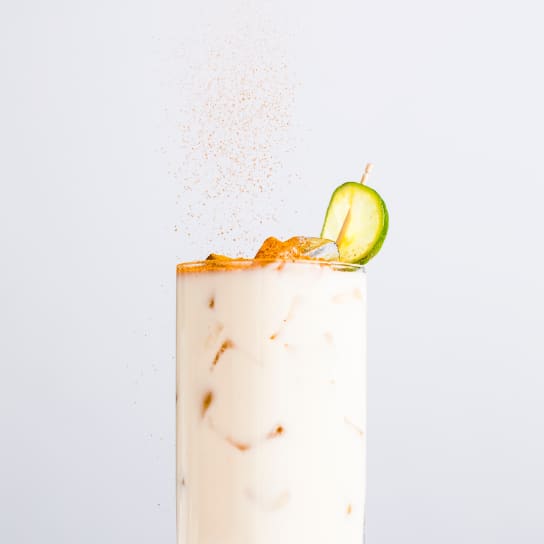
Horchata—as many Americans know it, at least—is an iced, milky drink made from rice and flavored with cinnamon and vanilla. Horchata is a popular flavor for anything from ice cream and ice pops to lattes and cocktails. Indeed, Starbucks has featured an Horchata Almondmilk Frappuccino, McDonald’s has experimented with an Horchata Frappe, and Good Morning America cited a report that named horchata a top ice cream flavor of 2019.
But horchata is no flash-in-the-pan food trend.
Sign up for the Notes from the Test Kitchen newsletter
Our favorite tips and recipes, enjoyed by 2 million+ subscribers!
What Is the Origin of Horchata?
The root of the name “horchata” is the Latin “hordeum” (barley) and “hordeata” (an ancient drink made from barley). Spanish horchata, a beverage made from tigernuts (or chufa nuts) that is still popular throughout Spain and claimed by Valencia, came to that country with the tigernuts from Egypt and North Africa during the Arab conquest around the turn of the first millennium. This “horchata de chufa” eventually traveled to Latin America with the Spanish colonizers, and the tigernut was replaced with various other ingredients, including rice.
What Is Horchata?
Today, in Mexico and throughout Latin America and Latin communities in the United States, there are many varieties of horchata, referred to collectively as aguas de horchata. This family of drinks (made from steeping, blending, and straining all manner of grains, nuts, seeds, fruit, and spices) falls under the broader umbrella of aguas frescas (literally “fresh waters”), cooling drinks that pair perfectly with a tropical climate and full-flavored, spicy food. In the United States, however, the specific style that has taken hold of our palates is Mexican, a sweet, creamy version aromatic with vanilla and canela (mellow, floral Ceylon cinnamon), essentially the taste of a cold, creamy cinnamon rice pudding.
This is the version I fell in love with when I started my deep dive into horchata, and I was delighted to find out how simple it is to make horchata at home.

Developing a Horchata Recipe
Some of the first versions I made—the inspirational roots of my recipe—were from recipes published by notable Mexican and Mexican American cookbook authors: Pati Jinich, Fany Gerson, and Esteban Castillo.
These rice-based horchata recipes (Gerson’s and Castillo’s also include almonds) had some things in common: The rice and cinnamon are steeped in water for a period of time to infuse the water with their flavors and soften the rice. The mixture is then blended and strained through cheesecloth to produce a creamy rice-milk base, which is then bulked out with dairy (milk, evaporated milk, sweetened condensed milk, or some combination of these) or more water or both. The drink is sweetened to varying degrees with sugar and served over ice.
Some differences in the recipes stood out, however, and they became integral to my version.
Jinich adds only whole milk to her horchata base, and I loved the fresh-tasting, relatively light creaminess it imparted to the drink. Gerson’s recipe calls for grinding the rice before soaking it, which in subsequent tests proved a reliable way to shorten soaking times and more quickly infuse the water with the flavor of the rice.

Eventually, I landed on blending all the ingredients (water, rice, almonds, cinnamon, vanilla, and a pinch of salt) at the outset and steeping them in a nut milk bag for as little as 2 hours. Then, I simply squeezed the bag to extract as much liquid as possible. (This simplified the usual process of straining through cheesecloth.)
Finally, the exceptional depth of flavor of Esteban Castillo’s horchata, whose recipe calls for toasting the almonds and cinnamon, inspired me to reach out to Castillo to learn more about his process and his history with the drink. Castillo, author of Chicano Eats (2020) and Chicano Bakes (2022), is a first-generation Mexican American who hails from Santa Ana, California, and whose recipes are informed by the intersection of Mexican and American culture and cuisine. Castillo’s mother made their family’s horchata from scratch, and he recalls that it (along with other aguas frescas) was a fixture in their fridge when he was growing up.

Castillo, whose horchata recipe significantly influenced mine, told me via email that he prefers a “light and refreshing” style of horchata. He includes toasted almonds (which were not traditional to his family’s recipe) to supply some of the richness and creaminess that many recipes get from including multiple kinds of dairy. For Castillo, “Toasting not only warms up and wakes up the oils in the cinnamon, but toasting the almonds adds even more depth of flavor to the horchata.”
In addition to his family’s relatively creamy version, Castillo’s mother also made a lighter “agua de arroz” without dairy that included a bit of fresh lime peel. According to Castillo, the lime zest added a light citrusy bitterness that “just worked!” Castillo’s anecdote about his mother’s recipe inspired me to try adding a strip of fresh lime peel to my recipe, and I had to agree with his exclamation. The subtle, bright lime sings harmoniously when paired with the warm cinnamon and the richness of the rice, almonds, and milk.
Equipped as I am now with a simple-to-make recipe for this exceptionally delicious drink, I’ll be following the Castillo family’s lead and keeping my fridge regularly stocked with this horchata.
Once you have the horchata recipe down, try it in Iced Horchata Lattes and Spiked Horchata too.