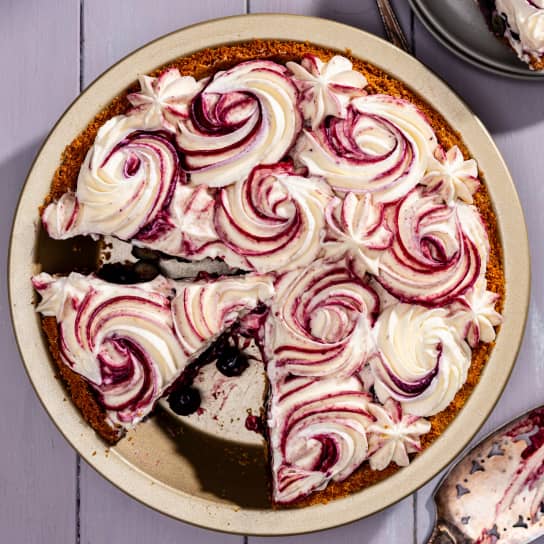
Few things are more annoying than working carefully and painstakingly to create a perfect pie crust, only to blind-bake it and have it come out of the oven riddled with tiny cracks.
Although you won’t see the cracks once the pie is filled, they can allow a wet filling to leak through, fusing the crust to the pan. Say goodbye to neat slices that emerge intact.
This situation may seem par for the course for quiche, custard pie, or any other pie with a wet filling, but it doesn't have to be.
Sign up for the Cook's Insider newsletter
The latest recipes, tips, and tricks, plus behind-the-scenes stories from the Cook's Illustrated team.
We have an easy solution to this sloppy situation—actually two solutions. And I bet you already have just what you need to solve it.
1. Brush to Seal
Years ago we found a way to insure against leaks and tears in the crust of our Deep-Dish Quiche Lorraine.
After blind baking the crust, we brush the baked crust with a lightly beaten egg white before adding the filling. The egg white seeps into the crevices, and the residual heat from the hot crust cooks the egg to create a seal.
Use this trick for any blind-baked pie crust (while still hot!), but especially those that will have custards or other wet fillings.

Desserts Illustrated
Part cookbook, part handbook, Desserts Illustrated is the last word on the last (but definitely not the least) course. We far exceed previous explorations of the world of sweets, teaching all types of candies, custards, frozen treats, and fruit desserts in addition to a bounty of baked goods.
Buy Now2. Make Pie Spackle

When you’ve got holes in your pie crust and no scraps to patch them with, it’s DIY pie spackle to the rescue.
To ensure a crisp, not soggy, crust, many of our tart and single-crust pie recipes begin with a crust that is either partially or fully baked before being filled.
But sometimes when you take it out of the oven after this prebaking step, you find that cracks or holes have emerged in your lovely, carefully-constructed crust. Imperfections such as these allow filling to leak through, sogging out the crust and making the dessert difficult to serve.
The go-to solution for this problem is to patch the holes with leftover scraps of dough. But what if you threw your scraps away already or simply don’t have any? Enter: Pie spackle.
What Is Pie Spackle?
Pie spackle is our term for the malleable flour-and-butter mixture we make that can be gently pressed into the holes or cracks of a warm pie crust. You smear the edges of the mixture to seal them to the crust (like spackle you’d use to patch a wall) and then bake the crust for a few more minutes to firm up the spackled area.
The spackled areas won’t taste, look, or feel exactly the same as the rest of the crust, but once the pie or tart is filled, no one will be the wiser.
How to Make and Use Pie Spackle
Stir together 4 tablespoons of all-purpose flour, 2 tablespoons of melted butter, and a pinch of sugar until it has the soft consistency of Play-Doh.
Using your fingers, take a small amount of the mixture and press it gently into the hole or crack in the warm pie crust, smearing the edges to seal them to the baked crust.
Bake the crust (without weights or foil) until the spackled area is firm and dry to the touch, 5 to 10 minutes.