
 Buy at Williams Sonoma
 Buy at Amazon
 Buy at Sur La Table
The best kitchen towels are absorbent, durable, and easy to clean. They’re also thick without being bulky so that they can double as pot holders. We chose two cotton winners. The Williams Sonoma Classic Stripe Towels have a strong basket weave that easily soaks up big spills and effortlessly releases stains. The Now Designs Ripple Kitchen Towel, Set of 2 are supersoft and exceptionally absorbent. We also picked a favorite linen towel—the Sur La Table Classic Linen Stripe Towels, Set of 2. These linen towels have a homespun look and are very absorbent.

What’s the Best Type of Kitchen Towel?
Kitchen towels, also referred to as dish towels, work hard in our homes. They dry our hands and dishes, sop up spills, cover bowls of dough as they proof, act as makeshift pot holders, and much more. There are many styles, but most kitchen towels are made from cotton, linen, microfiber, or a blend of two or more materials. A huge downside of microfiber is that it can melt when exposed to high heat, and since we often use kitchen towels to handle hot pots, we excluded this material from our lineup. For this story, we narrowed down our lineup to include towels made from 100 percent cotton or 100 percent linen so we could note any key distinctions between the two materials.
There is no one “best” material. Understanding the pros and cons of each makes it easier to pick a towel that suits your needs.
| Type of material | Type of material Cotton | Type of material Linen | Type of material Microfiber |
|---|---|---|---|
| Pros | Pros Soft. Durable. Versatile. | Pros Quick-drying. Mostly lint/pill resistant. Durable. | Pros Relatively inexpensive. Supersoft. Ideal for shining delicate glassware. |
| Cons | Cons Can take a while to dry. Prone to linting/pilling. | Cons Pricey. Can feel scratchy for the first few uses. | Cons Melts when exposed to high heat. |
Regardless of material, we found that all the kitchen towels in our lineup had a couple of things in common. First, most of them shrank during testing. The fibers are stretched tight during manufacturing and then loosen and shrink back to their original state after washing. You can also buy preshrunk towels, where manufacturers preemptively shrink the material to reduce shrinkage when laundered at home. However, none of the towels shrank an unacceptable amount.
Second, most towels undergo some form of finishing treatment at the factory to make them more durable, uniform, or lint resistant. “Sizing” is a common finishing treatment in which fabrics are coated with starches or silicones to prevent them from pilling or losing shape before they’re purchased. This treatment temporarily makes fabric less absorbent, so we recommend washing your towels before use to remove leftover sizing.


The best kitchen towels should be absorbent enough to dry a load of dishes and thick enough to provide some heat protection.
All About Weave
Weave refers to how strands of material are interlaced to form fabric or textiles. We talked to Emily Coleman, studio director at Butcher’s Sew Shop, a Philadelphia-based sewing studio, to learn more about how weave patterns are created.
Coleman shared that kitchen towels are woven on a loom, which works by tightly and evenly pulling threads vertically while weaving horizontal threads between them. The vertical threads are called warp and the horizontal threads are called weft. Different weave patterns are created by weft threads skipping over one or more warp threads.
There are countless weave patterns, but some of the most common styles for kitchen towels are plain, basket, and terry. Plain weave is one of the simplest styles; it’s created by weaving a weft thread under a warp thread. Basket weave is made by weaving two or more weft threads over and then under two or more warp threads. Terry is the easiest to identify because of its high pile or loops of thread that protrude all over the material, giving it a fluffy, plush texture. This style is achieved by running a rod through rows of threads to loosen them.
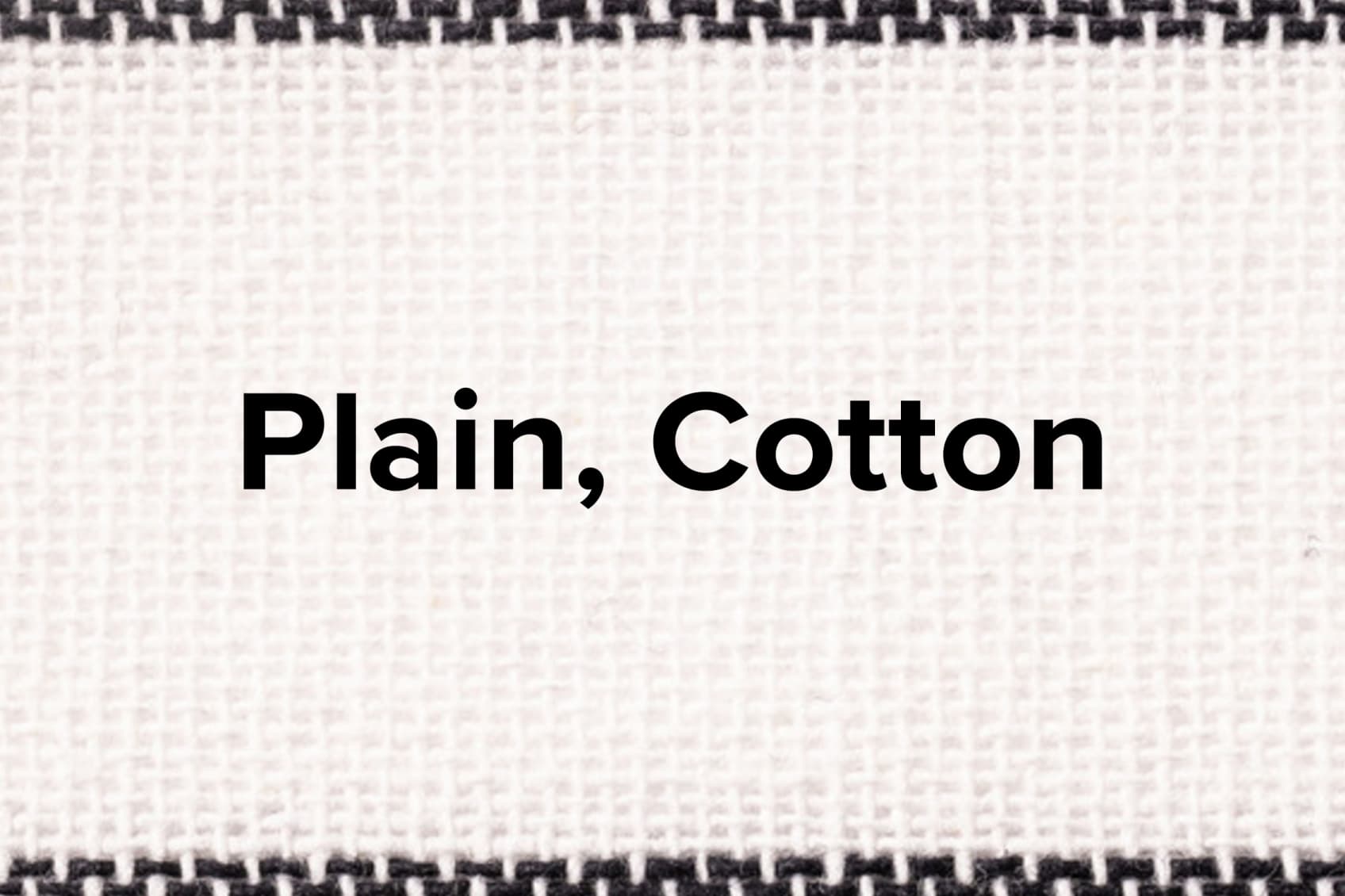


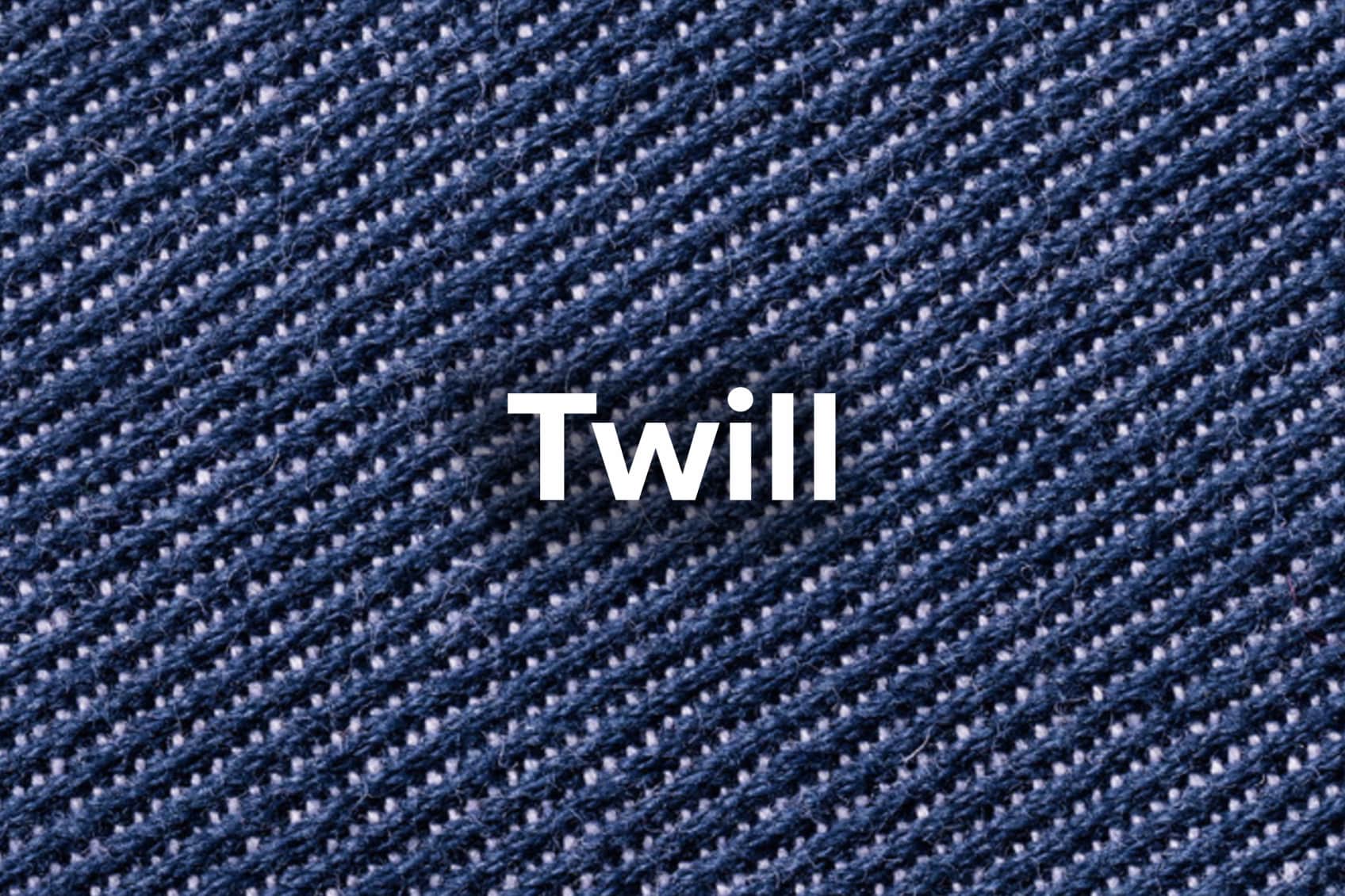
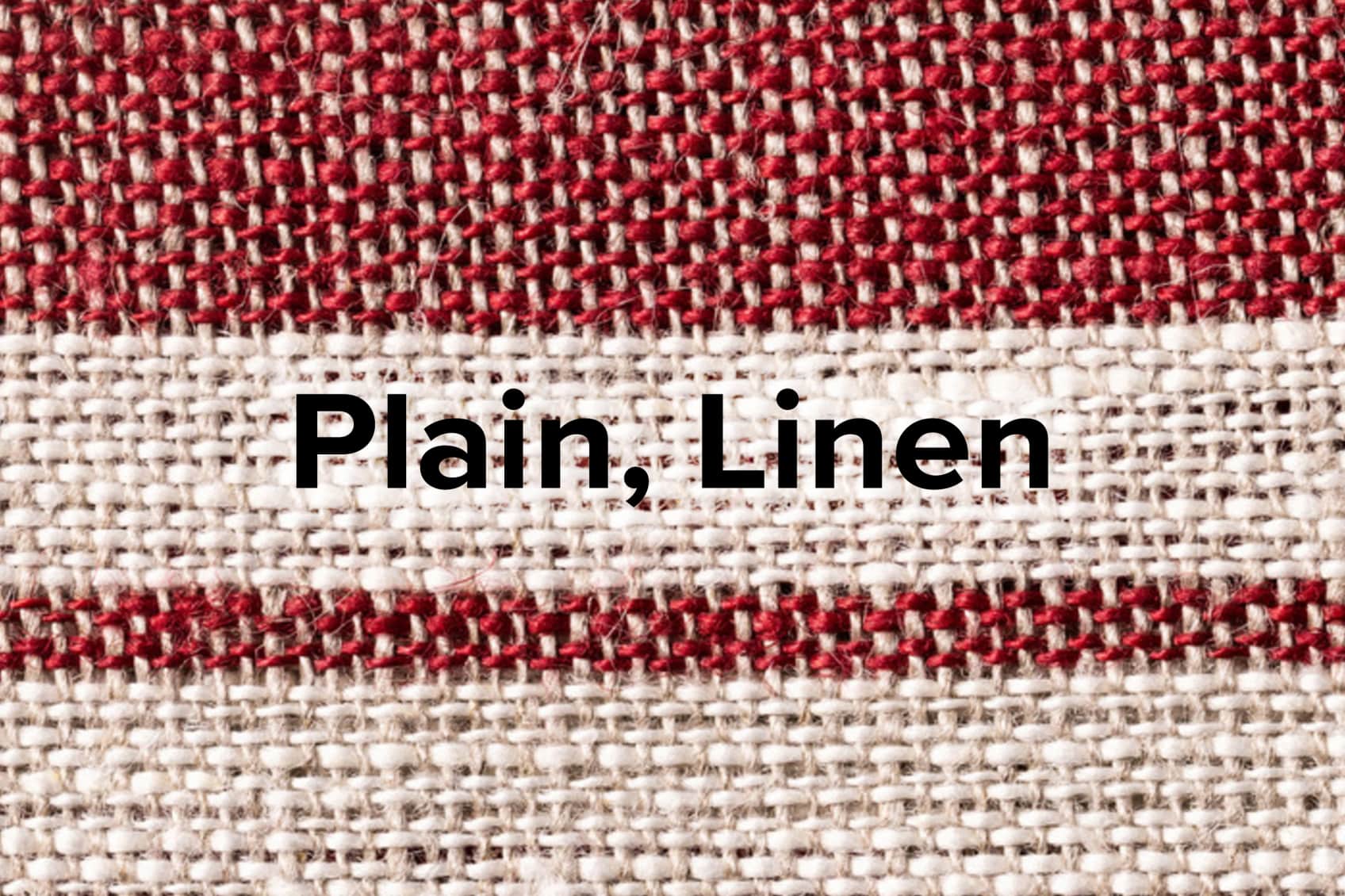
We observed that different weave patterns excelled at different tasks. Some were more absorbent and had more heat protection, while others were better at shining and polishing.
What to Look for
- Looser Weave: We found that towels with looser weaves such as terry and basket were the most absorbent in the lineup. Emily Coleman explained that looser weaves have more space for water droplets to collect and are thus more absorbent. In addition, looser weaves allow the towel’s fibers to expand and get fuzzier, which aids in absorption. Towels with looser weaves soaked up 2 cups or more of water during testing.


Our co-winning cotton towel, the Williams Sonoma Classic Stripe Towel, is highly absorbent; it soaked up 2 cups of water during our absorbency tests. The Liniche Linen Kitchen Towels, our least favorite, could only hold less than a cup of water.
- Thicker Towels: Thicker towels, usually basket weave, terry, or waffle were more absorbent when sopping up big spills. They absorbed 2 to 2.5 cups of water, and they didn’t feel soggy when we dried a load of dishes. Thicker towels also provided more heat protection.
- 30 by 20-Inch Towels: We preferred towels that were about 30 inches long by 20 inches wide before shrinking. Most of the towels that were roughly these dimensions before an initial wash shrank to around 27 by 19 inches—a size big enough to give us room to work but that also felt nimble as we dried dishes or handled hot pots.
- Machine-Washable and Tumble-Dry Towels: We liked the convenience of kitchen towels we could throw into the washing machine and dryer. Testers liked that they could deep-clean and thoroughly dry their towels.
Nice to Have
- Loops for Hanging: Some towels had fabric loops that enabled us to hang them on hooks when we weren’t using them. These loops made air-drying the towels easier so they didn’t get musty.
What to Avoid
- Towels That Are Too Long: Some towels were 30 inches long by 20 inches wide, even after they shrank following their initial wash, which was too long to be practical. They were awkward when performing most kitchen tasks and grazed the floor when hanging from oven doors.

- Thin, Flimsy Towels: Thin towels are less absorbent when cleaning up spills or drying dishes or our hands. These towels couldn’t even sop up 1 cup of water. They also didn’t feel as soft. And when we folded them up and used them to carry hot cookware, the thinnest towels didn’t provide adequate protection.
Other Considerations
- Thin, Tight-Weaved, Utilitarian Towels Have Their Place: Although thicker towels are better at absorbency and heat protection, some testers liked the thinner, inexpensive, no-frills towels for tasks such as wringing out moisture from vegetable shreds for fritters or for shining glasses. We reviewed two products in this category, the Amour Infini and IKEA RINNIG towels (see chart below). Both were less absorbent than our winners. They were also smaller, around 24 inches long by 17 inches wide, which made them less than ideal for big tasks such as drying a bunch of dishes. Although you may want to supplement your stash of kitchen towels with these, it’s also worth investing in versatile, durable, ultra-absorbent towels such as our winners.

Editor’s Note: America’s Test Kitchen and Sur La Table are owned by the same parent company, Marquee Brands, but our Reviews Team maintains full editorial independence.
The Tests
- Wash each towel to remove “sizing”
- Weigh each towel dry and after being submerged in 4 cups of water for 20 seconds
- Submerge 3 inches of each towel in a container filled with water for 15 minutes and then measure distance water traveled up towel
- Dry a load of dishes (5 separate items) with each towel
- Pour 1 cup of water onto each towel, hang each on a drying rack, and record how long they take to air-dry
- Use each towel to remove a hot skillet from oven
- Have testers use towels at home for a week for everyday tasks
- Soil each towel with measured quantities of mustard, soy sauce, red wine vinegar, and vegetable oil, set aside for 24 hours, and then launder
- Launder a total of 20 times according to manufacturer instructions
How We Rated
- Absorbency: We tested how much water the towels could absorb and how quickly they dried dishes.
- Ease of Use: We considered whether towels were too long or bulky, how they felt while drying our hands and dishes, and how quickly they air-dried.
- Heat Protection: We noted how long we could hold hot pots and pans while using the towels as makeshift pot holders.
- Durability: We assessed whether the towels could withstand multiple washes and everyday wear and tear.
- Cleanup: We evaluated how easily the towels released stains and odors.