America's Test Kitchen LogoCook's Country LogoCook's Illustrated LogoAmerica's Test Kitchen LogoCook's Country LogoCook's Illustrated Logo

Dan Dan Mian (Sichuan Noodles with Chili Sauce and Pork) for Two

By Lan Lam

Published on August 5, 2020

Time

1¼ hours

Yield

Serves 2
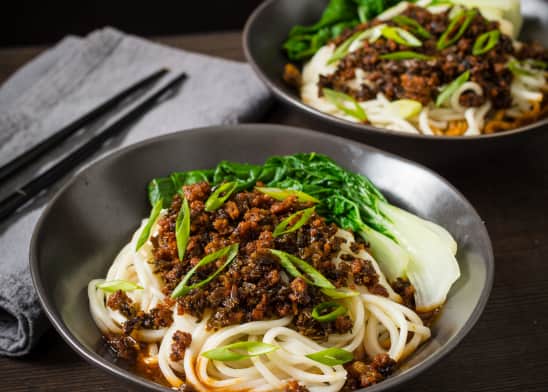
Dan Dan Mian (Sichuan Noodles with Chili Sauce and Pork) for Two

Ingredients

Sauce

2 tablespoons vegetable oil 1 ½ teaspoons Sichuan chili powder 1 teaspoon Sichuan peppercorns, ground fine⅛ teaspoon ground cinnamon 1 tablespoon soy sauce 1 teaspoon Chinese black vinegar or balsamic vinegar1 teaspoon sweet wheat paste or hoisin sauce ¾ teaspoons Chinese sesame paste or tahini

Noodles

4 ounces ground pork 1 teaspoon Shaoxing wine or dry sherry ½ teaspoon soy sauce 1 small head baby bok choy (about 3 ounces)1 ½ teaspoons vegetable oil, divided2 garlic cloves, minced1 teaspoon grated fresh ginger 8 ounces fresh Chinese wheat noodles 3 tablespoons ya cai 1 scallion, sliced thin on bias

Before You Begin

If you can't find Sichuan chili powder, substitute Korean red pepper flakes (gochugaru). Sichuan peppercorns provide a tingly, numbing sensation that's important to this dish; find them in the spice aisle at Asian markets. We prefer the chewy texture of fresh, eggless Chinese wheat noodles here. If they aren't available, substitute fresh lo mein or ramen noodles or 4 ounces of dried lo mein noodles. Ya cai, Sichuan preserved mustard greens, gives these noodles a savory and pungent boost; you can buy it online or at an Asian market. If ya cai is unavailable, omit it and increase the soy sauce in step 2 to 1 teaspoon. This dish can be served warm or at room temperature.

Instructions

    for the sauce

  1.   Heat oil, chili powder, peppercorns, and cinnamon in 14-inch wok or 10-inch nonstick skillet over low heat for 10 minutes. Using rubber spatula, transfer oil mixture to bowl (do not wash wok). Whisk soy sauce, vinegar, wheat paste, and sesame paste into oil mixture. Divide evenly among 2 shallow bowls.
  2. for the noodles

  3.   Bring 2 quarts water to boil in large pot. While water comes to boil, combine pork, Shaoxing wine, and soy sauce in medium bowl and toss with your hands until well combined. Set aside. Trim base from bok choy (larger leaves will fall off); halve lengthwise through core. Rinse well.
  4.  Heat 1 teaspoon oil in now-empty wok over medium-high heat until shimmering. Add reserved pork mixture and use rubber spatula to smear into thin layer across surface of wok. Break up meat into ¼-inch chunks with side of spatula and cook, stirring frequently, until pork is firm and well browned, about 4 minutes. Push pork mixture to far side of wok and add garlic, ginger, and remaining ½ teaspoon oil to cleared space. Cook, stirring constantly, until garlic mixture begins to brown, about 30 seconds. Stir to combine pork mixture with garlic mixture. Remove wok from heat.
  5.  Add bok choy to boiling water and cook until leaves are vibrant green and stems are crisp-tender, about 1 minute. Using slotted spoon or spider skimmer, transfer bok choy to plate; set aside. Add noodles to boiling water and cook, stirring often, until almost tender (center should still be firm with slightly opaque dot). Drain noodles. Rinse under hot running water, tossing with tongs, for 1 minute. Drain well.
  6.  Divide noodles evenly among prepared bowls. Return wok to medium heat. Add ya cai and cook, stirring frequently, until warmed through, about 1 minute. Spoon equal amounts of pork topping over noodles. Divide bok choy evenly among bowls, shaking to remove excess moisture as you portion. Top with scallions and serve, leaving each diner to stir components together before eating.
Dan Dan Mian (Sichuan Noodles with Chili Sauce and Pork) for Two
Photography by Steve Klise. Styling by Steve Klise.

Dan Dan Mian (Sichuan Noodles with Chili Sauce and Pork) for Two

Save

Time

1¼ hours

Yield

Serves 2

Ingredients

Sauce

2 tablespoons vegetable oil
1 ½ teaspoons Sichuan chili powder
1 teaspoon Sichuan peppercorns, ground fine
⅛ teaspoon ground cinnamon
1 tablespoon soy sauce
1 teaspoon Chinese black vinegar or balsamic vinegar
1 teaspoon sweet wheat paste or hoisin sauce
¾ teaspoons Chinese sesame paste or tahini

Noodles

4 ounces ground pork
1 teaspoon Shaoxing wine or dry sherry
½ teaspoon soy sauce
1 small head baby bok choy (about 3 ounces)
1 ½ teaspoons vegetable oil, divided
2 garlic cloves, minced
1 teaspoon grated fresh ginger
8 ounces fresh Chinese wheat noodles
3 tablespoons ya cai
1 scallion, sliced thin on bias

Ingredients

Sauce

2 tablespoons vegetable oil
1 ½ teaspoons Sichuan chili powder
1 teaspoon Sichuan peppercorns, ground fine
⅛ teaspoon ground cinnamon
1 tablespoon soy sauce
1 teaspoon Chinese black vinegar or balsamic vinegar
1 teaspoon sweet wheat paste or hoisin sauce
¾ teaspoons Chinese sesame paste or tahini

Noodles

4 ounces ground pork
1 teaspoon Shaoxing wine or dry sherry
½ teaspoon soy sauce
1 small head baby bok choy (about 3 ounces)
1 ½ teaspoons vegetable oil, divided
2 garlic cloves, minced
1 teaspoon grated fresh ginger
8 ounces fresh Chinese wheat noodles
3 tablespoons ya cai
1 scallion, sliced thin on bias

Ingredients

Sauce

2 tablespoons vegetable oil
1 ½ teaspoons Sichuan chili powder
1 teaspoon Sichuan peppercorns, ground fine
⅛ teaspoon ground cinnamon
1 tablespoon soy sauce
1 teaspoon Chinese black vinegar or balsamic vinegar
1 teaspoon sweet wheat paste or hoisin sauce
¾ teaspoons Chinese sesame paste or tahini

Noodles

4 ounces ground pork
1 teaspoon Shaoxing wine or dry sherry
½ teaspoon soy sauce
1 small head baby bok choy (about 3 ounces)
1 ½ teaspoons vegetable oil, divided
2 garlic cloves, minced
1 teaspoon grated fresh ginger
8 ounces fresh Chinese wheat noodles
3 tablespoons ya cai
1 scallion, sliced thin on bias

Why This Recipe Works

Sichuan's most popular street food consists of chewy noodles bathed in a spicy, fragrant chili sauce and topped with crispy, deeply savory bits of pork and plump, juicy lengths of baby bok choy. Gently heating Sichuan chili powder, ground Sichuan peppercorns, and cinnamon in vegetable oil for just 10 minutes yielded a flavorful chili oil base for the sauce. Whisking in soy sauce, Chinese black vinegar, sweet wheat paste, and Chinese sesame paste added earthy, faintly sweet depth and appropriately thickened the mixture. We smeared the ground pork into a thin layer across the wok with a rubber spatula, jabbing at it with the tool's edge to break it up into bits, and seared it hard to produce crispy bits that clung to the noodles. Stirring in minced garlic and grated ginger, plus a big scoop of the Sichuan pickle called ya cai, added unique tang and complexity. Blanching baby bok choy brightened its color and freed water from its cell walls, giving the vegetable its juicy, palate-cleansing effect. We trimmed the base of each bulb and halved the bulbs lengthwise to create bite-size pieces that softened at the same rate. Saving the blanching water to boil the noodles was efficient, and thoroughly rinsing them after they were cooked washed away surface starch that would have caused them to stick together.


Before You Begin

If you can't find Sichuan chili powder, substitute Korean red pepper flakes (gochugaru). Sichuan peppercorns provide a tingly, numbing sensation that's important to this dish; find them in the spice aisle at Asian markets. We prefer the chewy texture of fresh, eggless Chinese wheat noodles here. If they aren't available, substitute fresh lo mein or ramen noodles or 4 ounces of dried lo mein noodles. Ya cai, Sichuan preserved mustard greens, gives these noodles a savory and pungent boost; you can buy it online or at an Asian market. If ya cai is unavailable, omit it and increase the soy sauce in step 2 to 1 teaspoon. This dish can be served warm or at room temperature.

Instructions

    for the sauce

  1.   Heat oil, chili powder, peppercorns, and cinnamon in 14-inch wok or 10-inch nonstick skillet over low heat for 10 minutes. Using rubber spatula, transfer oil mixture to bowl (do not wash wok). Whisk soy sauce, vinegar, wheat paste, and sesame paste into oil mixture. Divide evenly among 2 shallow bowls.
  2. for the noodles

  3.   Bring 2 quarts water to boil in large pot. While water comes to boil, combine pork, Shaoxing wine, and soy sauce in medium bowl and toss with your hands until well combined. Set aside. Trim base from bok choy (larger leaves will fall off); halve lengthwise through core. Rinse well.
  4.  Heat 1 teaspoon oil in now-empty wok over medium-high heat until shimmering. Add reserved pork mixture and use rubber spatula to smear into thin layer across surface of wok. Break up meat into ¼-inch chunks with side of spatula and cook, stirring frequently, until pork is firm and well browned, about 4 minutes. Push pork mixture to far side of wok and add garlic, ginger, and remaining ½ teaspoon oil to cleared space. Cook, stirring constantly, until garlic mixture begins to brown, about 30 seconds. Stir to combine pork mixture with garlic mixture. Remove wok from heat.
  5.  Add bok choy to boiling water and cook until leaves are vibrant green and stems are crisp-tender, about 1 minute. Using slotted spoon or spider skimmer, transfer bok choy to plate; set aside. Add noodles to boiling water and cook, stirring often, until almost tender (center should still be firm with slightly opaque dot). Drain noodles. Rinse under hot running water, tossing with tongs, for 1 minute. Drain well.
  6.  Divide noodles evenly among prepared bowls. Return wok to medium heat. Add ya cai and cook, stirring frequently, until warmed through, about 1 minute. Spoon equal amounts of pork topping over noodles. Divide bok choy evenly among bowls, shaking to remove excess moisture as you portion. Top with scallions and serve, leaving each diner to stir components together before eating.

Gift This Recipe

Enjoyed this dish? Let others know by sharing it as a gift recipe.

This is a members' feature.