America's Test Kitchen LogoCook's Country LogoCook's Illustrated LogoAmerica's Test Kitchen LogoCook's Country LogoCook's Illustrated Logo

Pici con 'Nduja (Handmade Pasta with Tomatoes and 'Nduja)

By Andrea Geary

Published on April 3, 2023

Time

2½ hours

Yield

Serves 4

Pici con 'Nduja (Handmade Pasta with Tomatoes and 'Nduja)

Ingredients

Pici

1¼ cups (6¼ ounces/177 grams) all-purpose flour 1 cup (5¾ ounces/163 grams) semolina flour, plus 1 cup for coating pasta⅔ cup water 2 tablespoons extra-virgin olive oil, plus 1 tablespoon for brushing doughTable salt for cooking pasta

Sauce

2 tablespoons extra-virgin olive oil ½ onion, chopped fine ½ teaspoon table salt 1 cup passata 2 ounces (57 grams) ’nduja sausage, casing removed¼ cup chopped fresh basil, divided1 ounce (28 grams) Pecorino Romano cheese, grated (½ cup)

Before You Begin

We developed this recipe using Bob’s Red Mill No. 1 Durum Wheat Semolina Flour. If using finer semolina, such as Caputo Semola, add 11/2 tablespoons more water. We strongly recommend weighing the semolina and all-purpose flours. Semolina that’s left over from dusting the pasta can be sifted and saved for later use. A clean work surface provides friction for rolling the strands. If your work surface becomes covered with semolina or oil, wipe it before proceeding; if the pasta still slides, moisten your hands slightly with water. Passata is an uncooked tomato puree usually found near the other tomato products in the grocery store; if you’re buying the Pomi brand it may be labeled “strained tomatoes.” Leftover passata freezes well. You can find ’nduja in most Italian markets or online. Because this dish is quite hearty, we like to pair it with a crisp, light salad.

Instructions

    for the pici

  1. Whisk all-purpose flour and 1 cup semolina flour together in medium bowl and make well in center. Add water and 2 tablespoons oil and stir with fork until shaggy dough forms. Transfer dough to counter and knead until smooth and elastic, 6 to 8 minutes (dough will be firm). Wrap in damp dish towel and let rest on counter for 30 minutes. While dough rests, make sauce.
  2. for the sauce

  3. Heat oil in 12-inch skillet over medium heat until shimmering. Stir in onion and salt. Cover and cook, stirring frequently, until onions are softened, 6 to 8 minutes. Stir in passata and bring to simmer. Cook, stirring occasionally, until slightly thickened, about 5 minutes. Add ’nduja and cook, mashing and stirring until it melts into sauce, about 1 minute. Cover and set aside.
  4. Sprinkle parchment-lined rimmed baking sheet with ¼ cup semolina flour. Repeat with second baking sheet. Place remaining ½ cup semolina flour in wide, shallow bowl. Divide dough into 4 equal portions. Shape portions into balls. Place 3 balls under damp dish towel. Pat remaining ball into 3-inch disk and brush both sides with oil. Pat and stretch into 6-inch square of even thickness. Cut dough into 12 strips. Separate strips and place under damp dish towel.
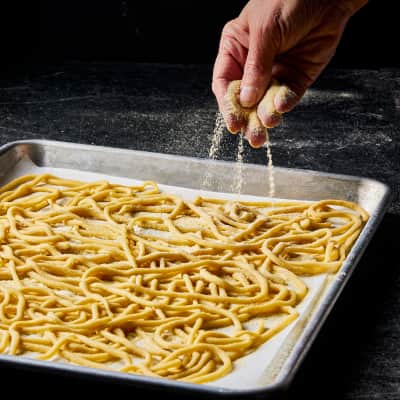
  5. Starting at center of 1 strip, roll dough into strand about 1/8 inch wide and at least 24 inches long (consistent width is more important than consistent length; if strand breaks, simply pinch pieces back together). Transfer to bowl of semolina and toss to coat. Gather strand loosely in your hand over bowl and shake gently to remove excess semolina. Transfer to prepared baking sheet, bending strand to fit. Dust your hands over sheet to remove excess semolina. Repeat with remaining strips (strands can touch as long as they’re well dusted with semolina). Repeat with remaining dough portions and oil, placing half of pici on each baking sheet.
  6. Bring 4 quarts water to boil in large pot. Lift pici and gently shake over baking sheet to remove excess semolina. Add all pici and 1 tablespoon salt to water and bring to boil. Cook until noodles are tender but still springy, about 3 minutes (start timer when water returns to boil). As pasta cooks, bring sauce to simmer over medium heat. Reserve 1 cup pasta water and drain pasta.
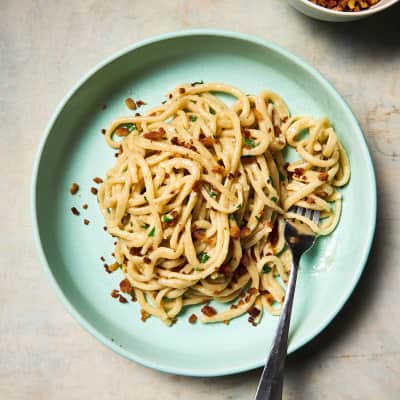
  7. Add pici and ½ cup reserved pasta water to sauce and cook, stirring constantly until pasta is well coated, about 1 minute, loosening consistency with additional pasta water if desired. Stir in 2 tablespoons basil. Transfer to 4 bowls and sprinkle with cheese and remaining 2 tablespoons basil. Serve.
Pici con 'Nduja (Handmade Pasta with Tomatoes and 'Nduja)
Photography by Beth Fuller. Styling by Catrine Kelty.

Pici con 'Nduja (Handmade Pasta with Tomatoes and 'Nduja)

Save

Time

2½ hours

Yield

Serves 4

Ingredients

Pici

1¼ cups (6¼ ounces/177 grams) all-purpose flour
1 cup (5¾ ounces/163 grams) semolina flour, plus 1 cup for coating pasta
⅔ cup water
2 tablespoons extra-virgin olive oil, plus 1 tablespoon for brushing dough
Table salt for cooking pasta

Sauce

2 tablespoons extra-virgin olive oil
½ onion, chopped fine
½ teaspoon table salt
1 cup passata
2 ounces (57 grams) ’nduja sausage, casing removed
¼ cup chopped fresh basil, divided
1 ounce (28 grams) Pecorino Romano cheese, grated (½ cup)

Test Kitchen Techniques

Ingredients

Pici

1¼ cups (6¼ ounces/177 grams) all-purpose flour
1 cup (5¾ ounces/163 grams) semolina flour, plus 1 cup for coating pasta
⅔ cup water
2 tablespoons extra-virgin olive oil, plus 1 tablespoon for brushing dough
Table salt for cooking pasta

Sauce

2 tablespoons extra-virgin olive oil
½ onion, chopped fine
½ teaspoon table salt
1 cup passata
2 ounces (57 grams) ’nduja sausage, casing removed
¼ cup chopped fresh basil, divided
1 ounce (28 grams) Pecorino Romano cheese, grated (½ cup)

Test Kitchen Techniques

Ingredients

Pici

1¼ cups (6¼ ounces/177 grams) all-purpose flour
1 cup (5¾ ounces/163 grams) semolina flour, plus 1 cup for coating pasta
⅔ cup water
2 tablespoons extra-virgin olive oil, plus 1 tablespoon for brushing dough
Table salt for cooking pasta

Sauce

2 tablespoons extra-virgin olive oil
½ onion, chopped fine
½ teaspoon table salt
1 cup passata
2 ounces (57 grams) ’nduja sausage, casing removed
¼ cup chopped fresh basil, divided
1 ounce (28 grams) Pecorino Romano cheese, grated (½ cup)

Test Kitchen Techniques

Why This Recipe Works

Pici (pronounced “PEE-chee,” or sometimes “PEE-shee”), are made of long, wonderfully chewy strands that have been rolled out on Tuscan tables since Etruscan times. Pici are inherently frugal too and simple to make. Just mix together a dough of mostly flour and water then knead until smooth, let it relax a bit, then roll pieces of dough into slim ropes. Once boiled, they’re an ideal canvas for all sorts of sauces and toppings. Pair this hearty dish with a crisp, light salad.

Want more? Read the whole story
Before You Begin

We developed this recipe using Bob’s Red Mill No. 1 Durum Wheat Semolina Flour. If using finer semolina, such as Caputo Semola, add 11/2 tablespoons more water. We strongly recommend weighing the semolina and all-purpose flours. Semolina that’s left over from dusting the pasta can be sifted and saved for later use. A clean work surface provides friction for rolling the strands. If your work surface becomes covered with semolina or oil, wipe it before proceeding; if the pasta still slides, moisten your hands slightly with water. Passata is an uncooked tomato puree usually found near the other tomato products in the grocery store; if you’re buying the Pomi brand it may be labeled “strained tomatoes.” Leftover passata freezes well. You can find ’nduja in most Italian markets or online. Because this dish is quite hearty, we like to pair it with a crisp, light salad.

Instructions

    for the pici

  1. Whisk all-purpose flour and 1 cup semolina flour together in medium bowl and make well in center. Add water and 2 tablespoons oil and stir with fork until shaggy dough forms. Transfer dough to counter and knead until smooth and elastic, 6 to 8 minutes (dough will be firm). Wrap in damp dish towel and let rest on counter for 30 minutes. While dough rests, make sauce.
  2. for the sauce

  3. Heat oil in 12-inch skillet over medium heat until shimmering. Stir in onion and salt. Cover and cook, stirring frequently, until onions are softened, 6 to 8 minutes. Stir in passata and bring to simmer. Cook, stirring occasionally, until slightly thickened, about 5 minutes. Add ’nduja and cook, mashing and stirring until it melts into sauce, about 1 minute. Cover and set aside.
  4. Sprinkle parchment-lined rimmed baking sheet with ¼ cup semolina flour. Repeat with second baking sheet. Place remaining ½ cup semolina flour in wide, shallow bowl. Divide dough into 4 equal portions. Shape portions into balls. Place 3 balls under damp dish towel. Pat remaining ball into 3-inch disk and brush both sides with oil. Pat and stretch into 6-inch square of even thickness. Cut dough into 12 strips. Separate strips and place under damp dish towel.
  5. Starting at center of 1 strip, roll dough into strand about 1/8 inch wide and at least 24 inches long (consistent width is more important than consistent length; if strand breaks, simply pinch pieces back together). Transfer to bowl of semolina and toss to coat. Gather strand loosely in your hand over bowl and shake gently to remove excess semolina. Transfer to prepared baking sheet, bending strand to fit. Dust your hands over sheet to remove excess semolina. Repeat with remaining strips (strands can touch as long as they’re well dusted with semolina). Repeat with remaining dough portions and oil, placing half of pici on each baking sheet.
  6. Bring 4 quarts water to boil in large pot. Lift pici and gently shake over baking sheet to remove excess semolina. Add all pici and 1 tablespoon salt to water and bring to boil. Cook until noodles are tender but still springy, about 3 minutes (start timer when water returns to boil). As pasta cooks, bring sauce to simmer over medium heat. Reserve 1 cup pasta water and drain pasta.
  7. Add pici and ½ cup reserved pasta water to sauce and cook, stirring constantly until pasta is well coated, about 1 minute, loosening consistency with additional pasta water if desired. Stir in 2 tablespoons basil. Transfer to 4 bowls and sprinkle with cheese and remaining 2 tablespoons basil. Serve.

Gift This Recipe

Enjoyed this dish? Let others know by sharing it as a gift recipe.

This is a members' feature.