

 Buy at Amazon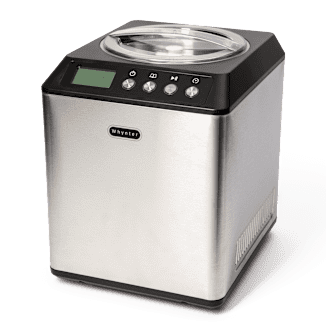
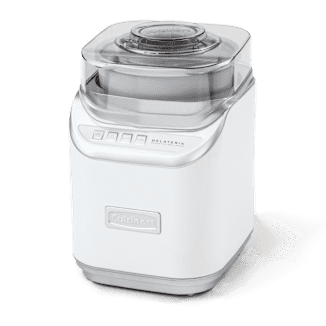
A great ice cream maker is easy to use and produces top-notch ice cream, sorbet, and frozen yogurt. The Cuisinart Frozen Yogurt, Ice Cream & Sorbet Maker earned top marks among canister-style machines. Everything we made with it tasted great, it was very easy to use, and it was one of the quickest machines in our lineup. If you want a self-refrigerating machine, we recommend the Whynter 2.1 Quart Capacity Upright Automatic Compressor Ice Cream Maker. It churned quickly and yielded incredibly smooth ice cream and sorbet.

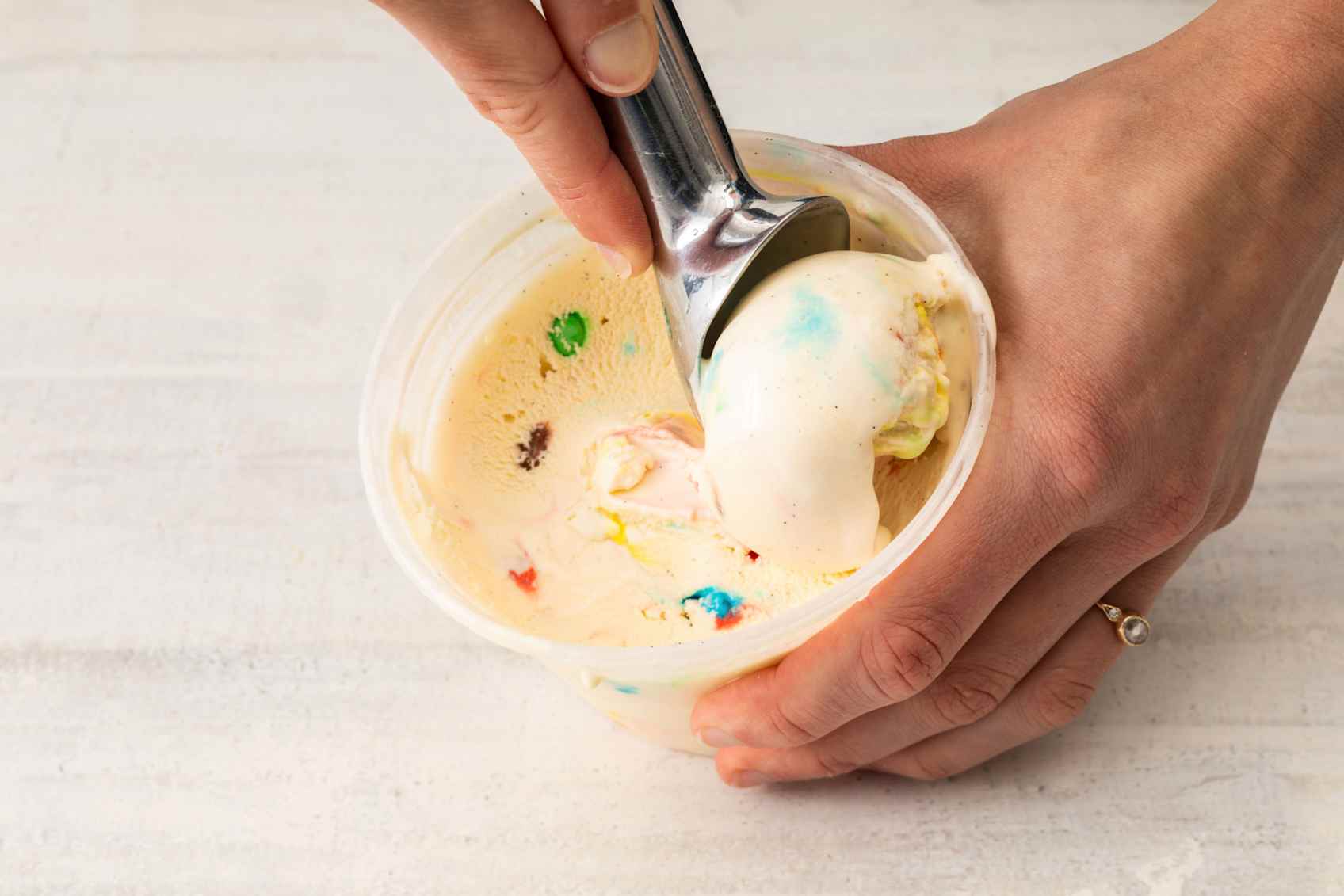
Great store-bought ice cream isn’t hard to find. From an artisanal shop to an everyday supermarket, you can find a wide range of inventive and classic flavors without breaking the bank. But an ice cream maker allows you to produce a variety of ice cream, frozen yogurt, or sorbet at home—and have fun while doing it. With mix-ins like crushed cookies and candies, malted milk powder, nuts, or seasonal fruit, the world is your ice cream parlor, especially if you have a good ice cream maker.

What Are the Different Types of Ice Cream Makers?
Ice cream makers come in three main categories: canister-style, self-refrigerating, and a category called blade-style that has only relatively recently become available to home cooks.
Canister-style and self-refrigerating ice cream makers, which have been on the market for decades, are the most common. They work in a similar fashion. First, you make a dairy or fruit base and chill it in the refrigerator. Then, through a combination of cooling and constant-yet-gentle churning with a paddle, the machines transform the base into a thick, creamy dessert. The churning incorporates air that is crucial to a smooth, semisoft consistency. Once the base has thickened to the consistency of a milkshake or soft-serve ice cream, you transfer it to a clean container and place in the freezer for a brief firming-up period.
Here’s how each style of machine differs and why someone might want one instead of another.
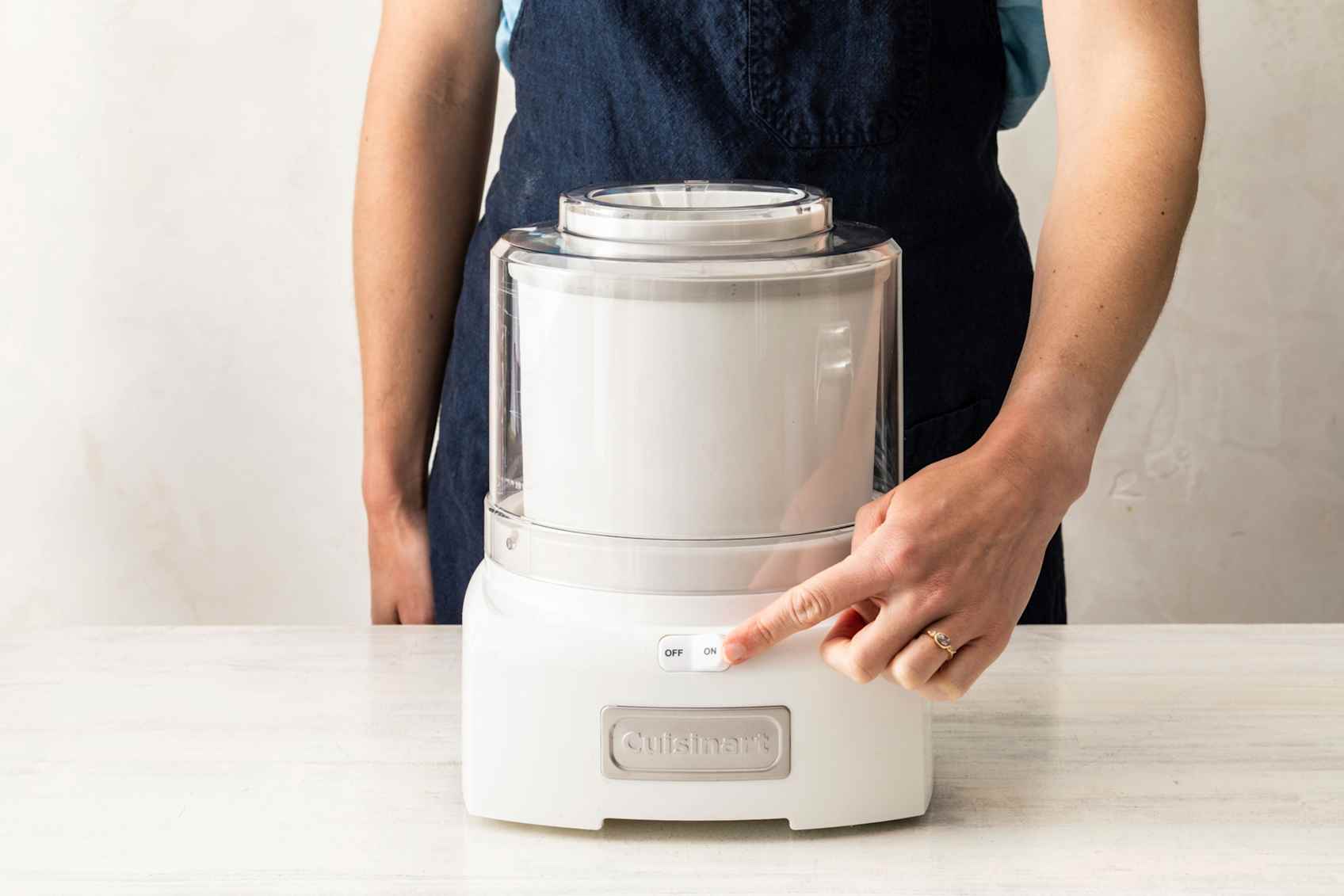
- Canister-Style: Canister-style machines tend to be the least expensive category of ice cream maker. They have coolant-filled canisters that must be frozen before use—a step you have to remember to do at least 24 hours ahead, and one that requires a considerable amount of freezer space (our favorite is about 6 inches tall and 7 inches in diameter). However, the machines themselves tend to have slightly smaller countertop footprints than self-refrigerating models. Canister-style machines are fast, averaging about 20 minutes to churn a roughly 1.5-quart batch. But you can only make one batch at a time because the canister must be frozen before every use. If you anticipate regularly wanting to make consecutive quarts of ice cream, you’ll need to purchase and prefreeze additional canisters.


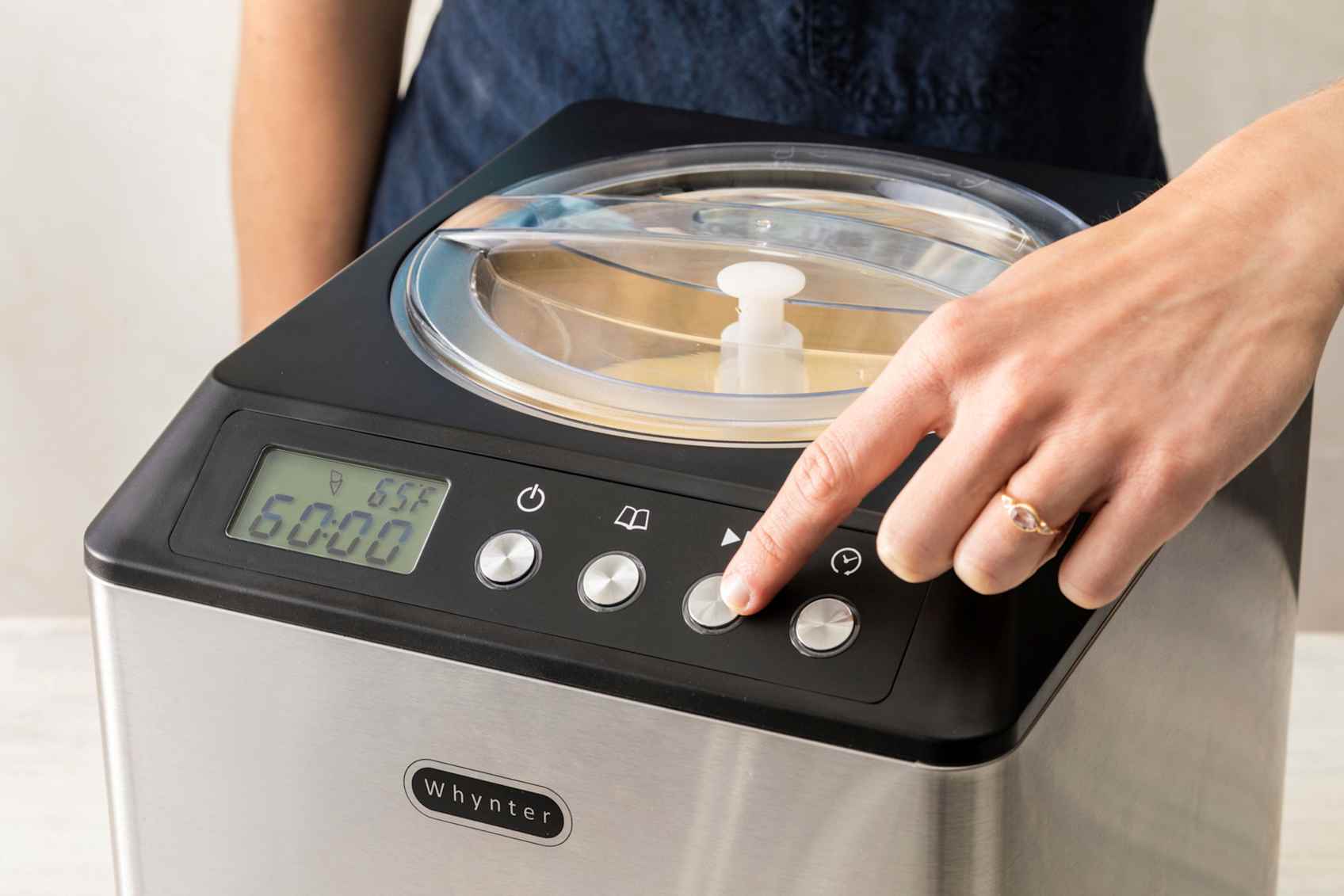
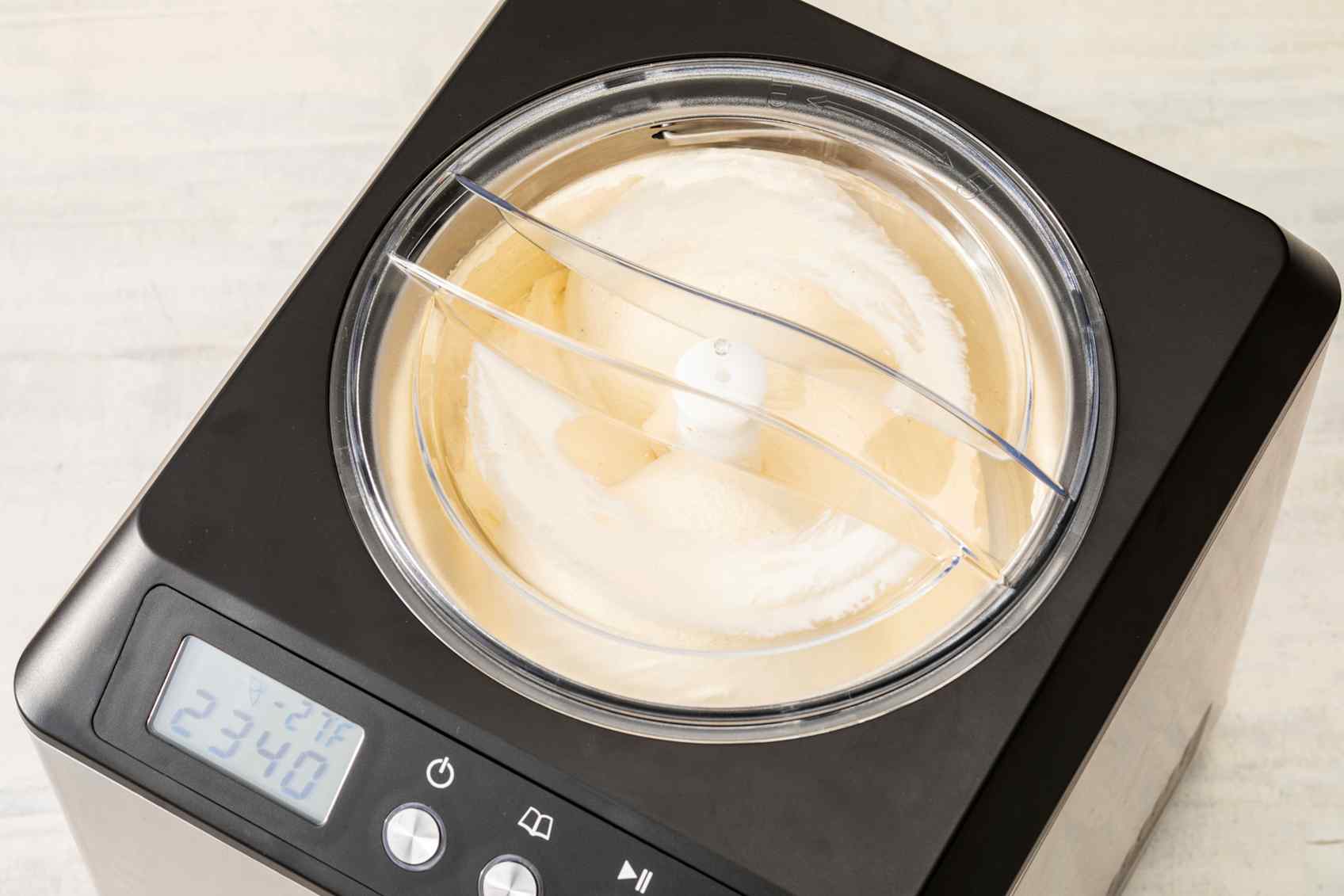
- Self-Refrigerating: Self-refrigerating machines are generally much pricier—often at least $300 or more. They have built-in compressors that chill the ice cream as it churns, so there’s no need to make room in your freezer ahead of time. Churning takes a little more time than with canister-style machines, about 30 minutes. Self-refrigerating machines can make consecutive batches after pausing only to rinse and dry the bowl. They make 1 to 2 quarts of ice cream at a time.


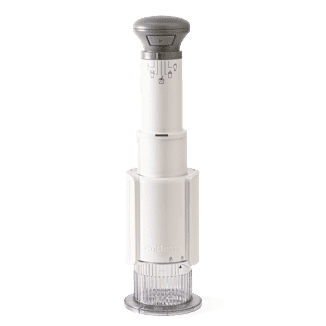
- Blade-Style: Blade-style machines were introduced by Pacojet, a multi-thousand-dollar machine used in restaurant kitchens, but a machine of that size and cost isn’t practical for home use. New, more affordable machines (like the Ninja CREAMi and Cuisinart FastFreeze) have made blade-style machines available to home cooks. They have quickly gained popularity online, especially for making high-protein desserts using ingredients like protein powder, but they are also marketed for use with traditional ice cream recipes. However, we’ve found that they’re most successful with recipes developed specifically for this style of machine. That’s because they work differently than canister-style or self-refrigerating machines. The ice cream base must be fully frozen (which takes about 24 hours) before processing in the machine. When you remove the container from the freezer and insert it into the machine, a blade—rather than a paddle—processes the frozen base into an ultrafine, creamy substance, a very quick process that takes less than two minutes. For this reason, they require lower levels of fat and sugar to produce the right consistency. These machines tend to cost somewhere in between canister-style and self-refrigerating machines, up to $200. The blade-style machines currently available on the market only make smaller quantities—just a half-quart (a pint) or less. They typically come with one or two extra containers, and you can buy additional containers online. Depending on your preferences, this may be a pro if you want to make a small amount of many different flavors.
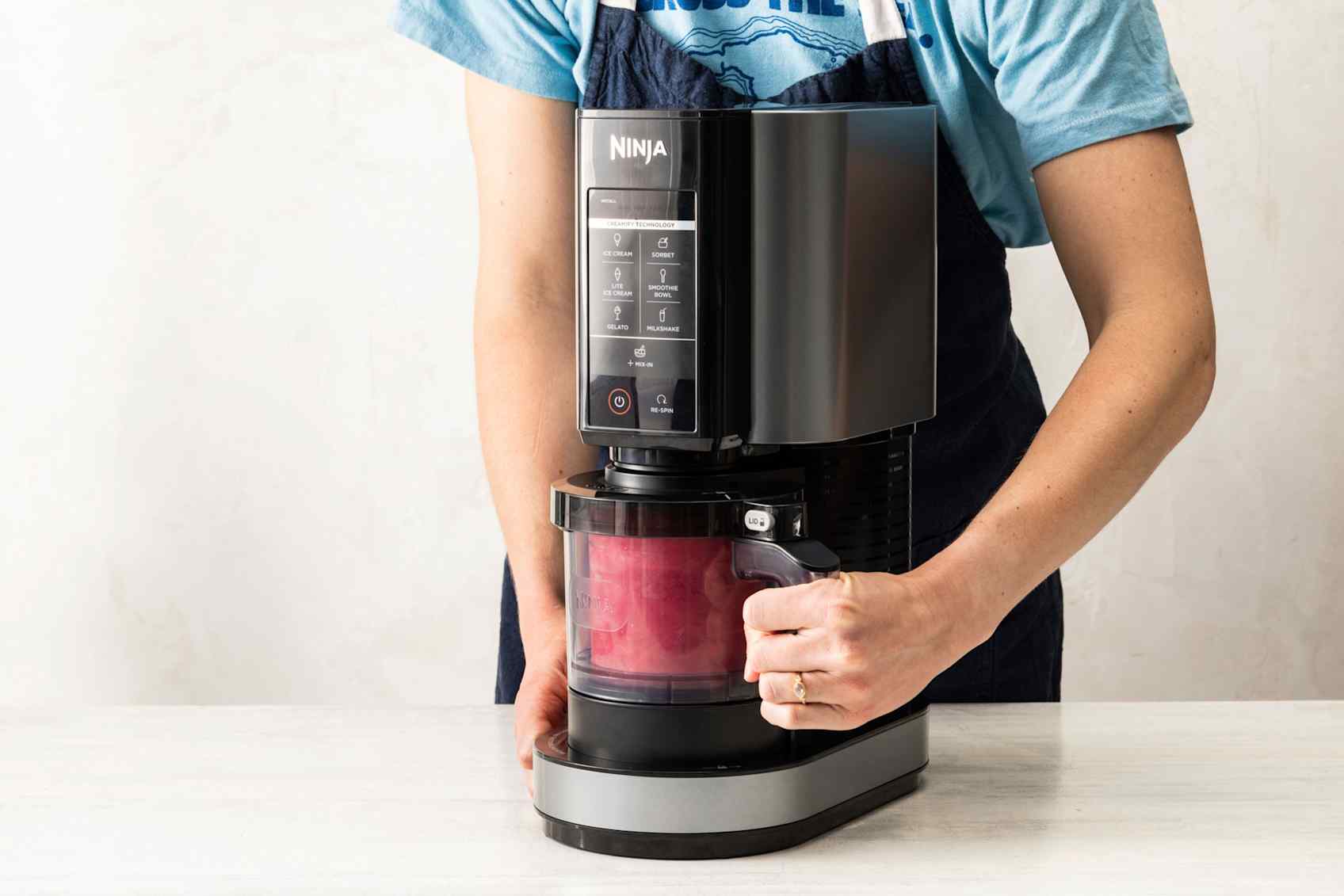


A canister-style or self-refrigerating ice cream maker is the best option for people who want to make high-quality conventional ice creams and sorbets. Our favorites are hands-off and simple to use and consistently make smooth, creamy frozen treats. If you’re interested in using a blade-style machine to explore high-protein ice creams or single-ingredient sorbets made from frozen fruit, the Ninja CREAMi is the easiest to use.
What to Look for
- Simple, Intuitive Design: Many ice cream makers have just one setting, no matter the type of frozen dessert you’re making. Our favorite models had a simple on-off switch. On models that had separate settings for ice cream and sorbet, we found that the results typically weren’t any better than those made in machines with one button.

- Quick Mixing: When making ice cream, time is of the essence. We preferred ice cream makers that churned quickly; larger ice crystals formed in machines that took longer to churn, which made ice cream and sorbet taste icier.

- For Canister-Style and Self-Refrigerating Models, Paddles with Low Blades: In addition to using visual cues, we like to use a thermometer to take the temperature of ice cream during churning. Paddles with low blades that submerged fully in the ice cream or sorbet base let us take the temperature of the mixture without stopping the machine.

What to Avoid
- For Canister-Style and Self-Refrigerating Models, Paddles with Tall Blades: Some ice cream makers had horizontal bars that spun just above the contents of the bowls. The tall horizontal blades got in the way of our thermometer probe, forcing us to pause the machines to take the temperature. Ice cream also tended to clump up on these and ride around on top, forcing us to stop the ice cream makers every few minutes and push them back into the mixing action. Since repeated disruptions to the cooling and churning process encouraged the development of large ice crystals, we much preferred paddle designs that allowed us access while the mixture churned.
The Tests
- Make vanilla ice cream
- Make raspberry sorbet
- Make frozen yogurt
- Make vanilla ice cream with mini M&Ms mixed in
- Record the time required to churn each batch
- Wash parts after each use according to manufacturer instructions
How We Rated
- Performance: We evaluated the quality of frozen desserts made in each ice cream maker.
- Ease of Use: We assessed how easy it was to assemble ice cream makers and how straightforward it was to make various types of ice cream, sorbet, and frozen yogurt.