
 Buy at Amazon
We tested kitchen sponge holders made in a variety of designs, seeking models that were simple to attach to the sink and could easily fit a typical kitchen sponge. They should take up minimal space and stay anchored even if struck by pans or hands while the sink is in use. Plus, they should allow excellent air circulation to help sponges dry out as much as possible between uses, which helps thwart bacterial growth and extend the sponges’ usable life.

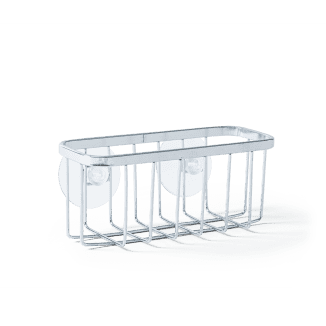
Our favorite sponge holder, the SunnyPoint NeverRust Kitchen Sink Suction Holder, met all our requirements. With a pair of large suction cups, it attached securely to our sinks, and it offered plenty of space to hold our winning sponge while its open, cage-like design helped the sponge stay dry and fresh.

Kitchen sponge holders solve a basic problem: They keep your sponge handy in a place where it can drain and dry between uses. When we tested kitchen sponges, we learned that they are more sanitary when rinsed, squeezed out, and left to air-dry—and are most prone to growing harmful bacteria when they’re (all too commonly) left to sit in the bottom of the sink, still wet and covered with bits of food. We focused on models wide enough to fit our favorite kitchen sponge, the O-Cedar Scrunge Multi-Use Scrubber Sponge, which is 1 inch thick, a bit thicker than many typical kitchen sponges. We knew that if the O-Cedar sponge fit, standard sponges would fit, too.
What to Look For
- Large Opening: Even though it took only seconds longer to slide a sponge into a snug holder, we appreciated the models with bigger, wider openings that allowed us to quickly toss the sponge in the right direction and be sure that it would fall into the basket.
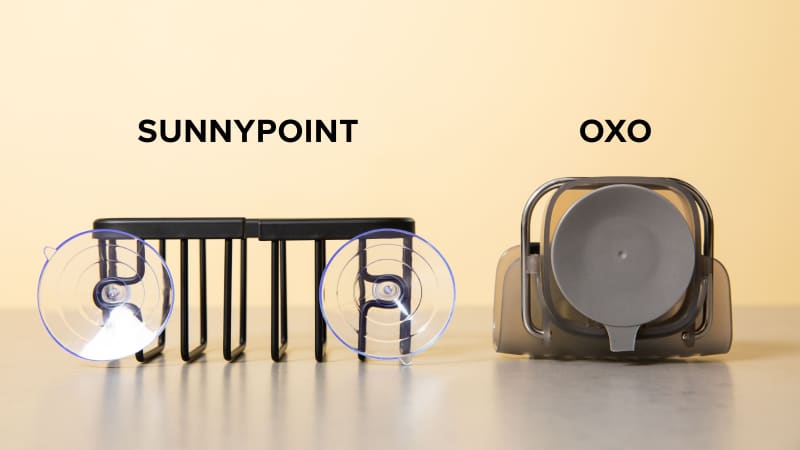
- Secure Attachment: While manufacturers used many mechanisms to attach the sponge holders to sinks—including suction cups, clamps, loops, and support bars—alone or in combination, not all worked equally well. Our winner’s simple, large suction cups were surprisingly successful.


We liked the versatility of models that could attach anywhere in the sink such as the one on the left. Models such as the one on the right needed a vertical element such as a faucet to attach.
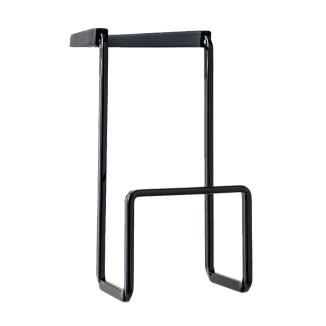
- Versatility: We appreciated sponge holders that could be affixed anywhere in the sink; some models required specific setups, such as dangling from the faucet.
- Open, Airy Shape: When we wetted identical sponges with an equal amount of water and placed them in holders for 10 hours, weighing them before and after (and repeating this test three times), it was clear that some holders trapped water in the sponges, while others encouraged good drainage and air circulation that helped sponges dry. The best models had minimalistic, open designs—and their sponges were always drier. These holders were also easier to keep clean.

The best holders had airy, open designs that encouraged good drainage and helped sponges dry. We wet sponges equally and let them drain for 10 hours in the sponge holders, repeating this test three times. The best holders let 67 percent of the water evaporate; the worst only 25 percent.
Nice To Have
- Sleeker Profile: When you need to wash a big pot or pan, a sponge holder should not be eating up valuable space in your sink. A few models protruded awkwardly and sometimes got in the way. Our preferred models hugged the side of the sink.

Models such as the Umbra protruded a bit too far into the sink, so we often bumped into them when washing dishes.
What to Avoid
- Narrow, Snug Openings: Not only is it frustratingly slower to insert and retrieve a sponge from a snug-fitting holder, but the closer contact also traps moisture.
- Solid Walls: One model by Simplehuman was a deep, narrow steel box with drainage holes only on its black plastic bottom. This was the worst performer in our drying tests and the most difficult to keep clean, staying damp and trapping bits of food.

Models with solid walls and tight spaces for the sponge (left) tended to trap moisture. We preferred open shapes (right) that encourage air circulation.
- Attaching Mechanisms That Fail: While an OXO model with a comparatively complicated two-part lever-and-suction attachment mechanism initially seemed as secure as Fort Knox when installed, we found it lying on the bottom of the sink more than once, having lost its grip (see “All Suction Cups Are Not Equal”). Another model’s suction cups were too weak and easy to bump out of place when we struck it in passing.
- Attach the sponge holders to as many different styles of sinks as possible to test fit
- Put in and take out a wet sponge 15 times
- Use daily in the kitchen sink for 30 days
- Send copies home with testers to gather feedback in different home kitchens
- Do a 10-hour drainage test to measure how well the holders allow the sponges to air-dry; repeat three times
- Put the sponges in the holders and strike the holders from different directions five times, testing the firmness of their attachment to the sink
- Clean the holders after 30 days
- Evaluate the condition of the holders and their attachment mechanisms at the conclusion of testing