Bread Baking Terms

Read on to crack the code of bread making jargon.
SLASH
A cut in the surface of proofed bread by a lame, razor, or sharp knife to create weak spots in a loaf’s surface. This allows the interior crumb to expand fully in the right direction. Without the slashes, the loaf will expand outward wherever it finds a random weak spot, resulting in an oddly shaped loaf and an uneven crumb. These slashes can be purely functional or add a decorative touch, as well.
BOULE
A symmetrical, round loaf of bread, often the result of proofing in a banneton.
LEVAIN
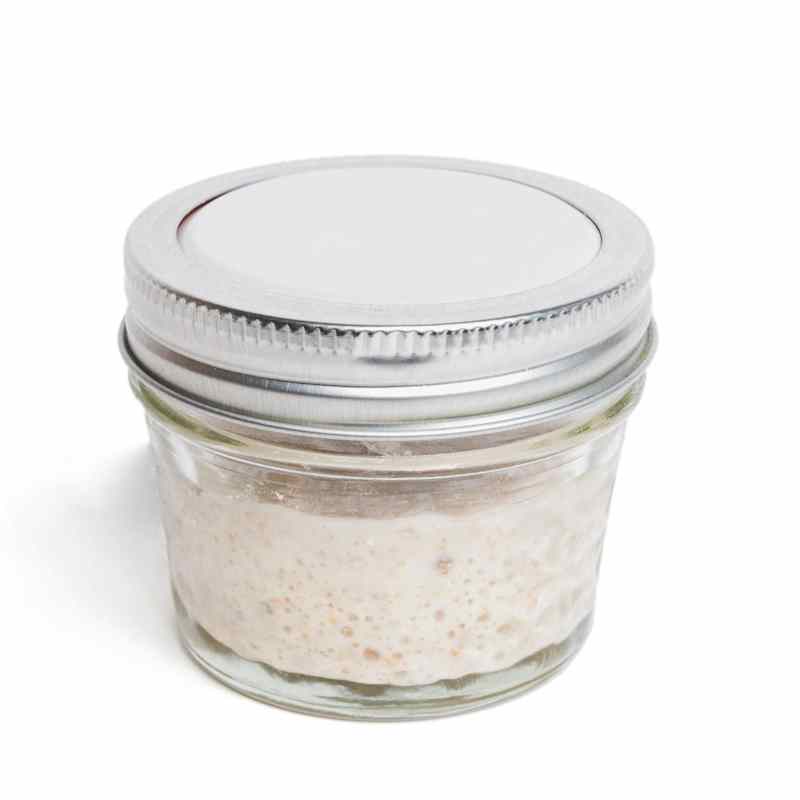
Another name for a culture or sourdough starter, a levain is a mixture of flour, water, and microorganisms that flavors and leavens bread. Levain is also the name of a rustic loaf of bread that makes use of sourdough starter for leavening.
FEEDING
The first step in developing a starter. Once you’ve mixed flour and water and let the mixture sit for a day or longer until the dormant microorganisms in the flour wake up, you begin the process of “feeding” or “refreshing” the nascent culture. You do this by adding fresh flour and water to provide a new supply of nutrients to the starter.
PROOFING
The period of time after the dough has been shaped that it is left to rise a second time. The goals of proofing are to expand the dough to the appropriate size for baking, relax the dough so the gluten network becomes extensible for rising, make up for any loss of gas bubbles during shaping, and eke out last bits of flavor through additional fermentation. You know your dough is fully proofed when you press it gently and it springs back slowly and leaves a slight indent in the dough. If it springs back right away, it needs more proofing.
COLD PROOFING
Slowing down the process of fermentation by placing the dough in the refrigerator. This step builds flavor, reduces the stickiness of wetter doughs, and makes the dough easier to shape and score.
OVEN SPRING
The rise that yeasted dough experiences when it first hits a hot oven. The more “spring,” the taller the loaf and the airier the crumb. Baking bread at a higher temperature results in a more dramatic oven spring; bread dough is full of water, which will vaporize rapidly and open up the crumb, causing the loaf to expand.
KNEADING
The act of manipulating dough to add air, incorporate ingredients, and develop gluten. You can knead most bread doughs by hand or in a stand mixer. The trick is to use a rhythmic, gentle motion that stretches and massages the dough.
GLUTEN
The protein developed in bread making that gives bread chew. This elastic protein is formed when two partial proteins present in wheat flour, glutenin and gliadin, bond and link together through mixing and hydration. The three things that affect gluten development are flour (the protein content of the flour determines how much gluten can be developed), water (the more water there is in the dough, the more hydrated it will be), and kneading time (the longer you knead a dough, up to a certain point, the stronger the network will be).