America's Test Kitchen LogoCook's Country LogoCook's Illustrated LogoAmerica's Test Kitchen LogoCook's Country LogoCook's Illustrated Logo
Recipe
1 hr 45 min

British-Style Currant Scones

Loading...
British-Style Currant Scones
Author: Andrea Geary

Recipe By Andrea Geary

Published on September 9, 2024

A yummy variety of apple pie that is quick and easy.

Time

1 hr 45 min

Yield

Makes 12 scones

Why This Recipe Works

British scones are not as sweet or as rich as American scones, and that makes them more suitable for serving with butter and jam. To make the lightest, fluffiest scones, we added more than the usual amount of leavening: 2 teaspoons of baking powder per cup of flour. Rather than leaving pieces of cold butter in the dry ingredients as we do for flaky biscuits, we thoroughly worked in softened butter until it was fully integrated. This protected some of the flour granules from moisture, which in turn limited gluten development and kept the crumb tender and cakey. We add currants for tiny bursts of fruit flavor and brush some reserved milk and egg on top for enhanced browning.


Ingredients

3 cups (15 ounces/425 grams) all-purpose flour
⅓ cup (2 ⅓ ounces/66 grams) sugar
2 tablespoons baking powder
½ teaspoon salt
8 tablespoons unsalted butter, cut into ½-inch pieces and softened
¾ cup dried currants
1 cup whole milk
2 large eggs

Instructions

Cook along with these step-by-step instructions
step 1 imagestep 2 imagestep 3 imagestep 4 image
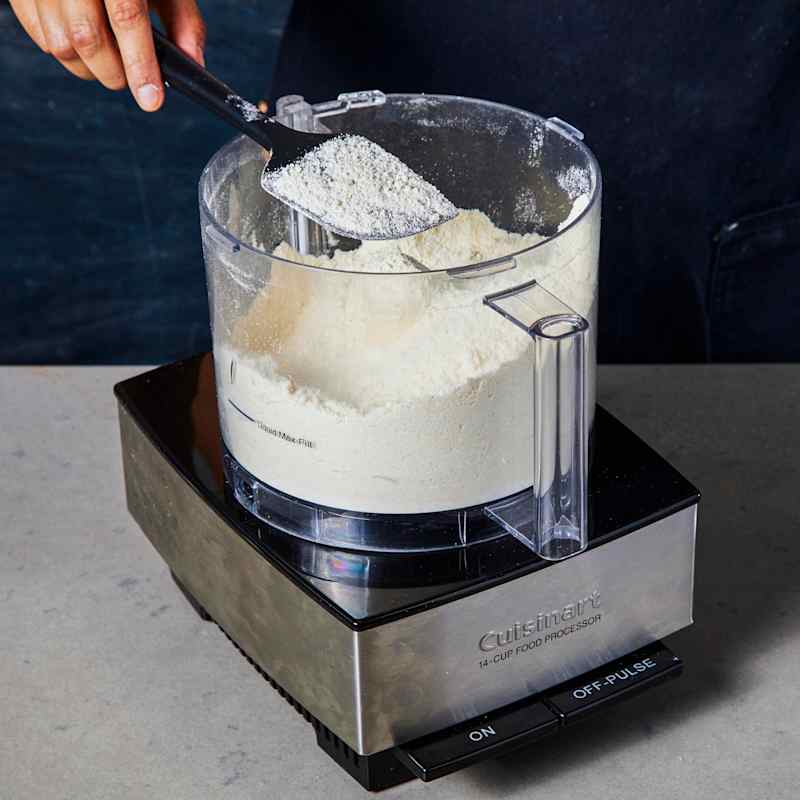
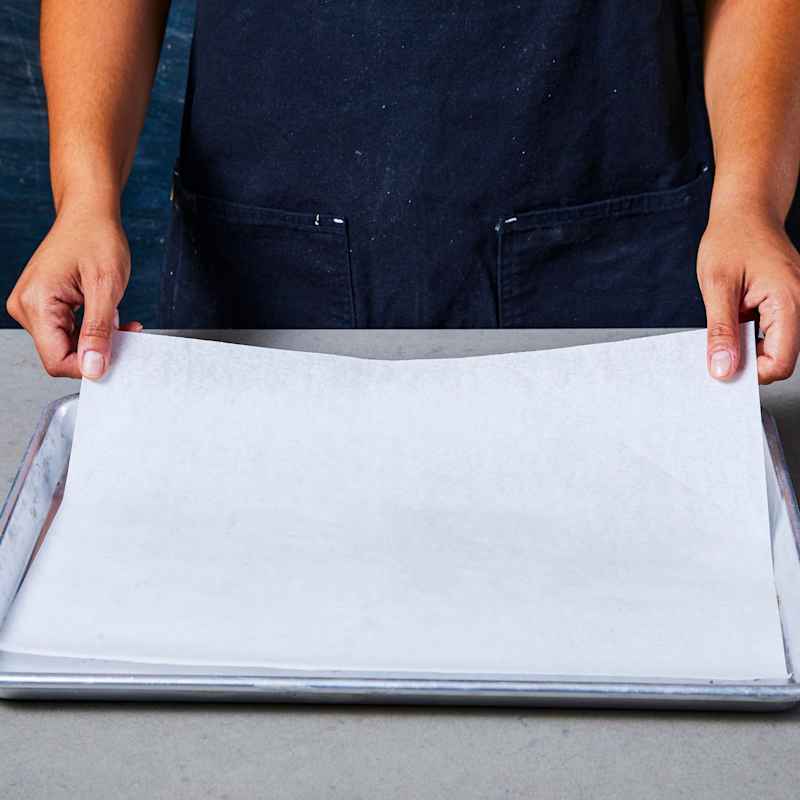
  1. Adjust oven rack to upper-middle position and heat oven to 500 degrees. Line rimmed baking sheet with parchment paper. Pulse flour, sugar, baking powder, and salt in food processor until combined, about 5 pulses. Add butter and pulse until fully incorporated and mixture looks like very fine crumbs with no visible butter, about 20 pulses. Transfer mixture to large bowl and stir in currants.
    Recipe Tip
    Fully incorporating the butter into the flour means that the fat is fully coated. This “waterproofs” the dough, so when it comes in contact with moisture it will not promote gluten, creating tender scones.
  2. Whisk milk and eggs together in second bowl. Set aside 2 tablespoons milk mixture. Add remaining milk mixture to flour mixture and, using rubber spatula, fold together until almost no dry bits of flour remain.
    Recipe Tip
    Using a rubber spatula is key. The dough is too thick for a whisk and too wet for your hands, which would cause a mess.
  3. Transfer dough to well-floured counter and gather into ball. With floured hands, knead until surface is smooth and free of cracks, 25 to 30 times. Press gently to form disk. Using floured rolling pin, roll disk into 9-inch round, about 1 inch thick. Using floured 2 1/2-inch round cutter, stamp out 8 rounds, recoating cutter with flour if it begins to stick. Arrange scones on prepared sheet. Gather dough scraps, form into ball, and knead gently until surface is smooth. Roll dough to 1-inch thickness and stamp out 4 rounds. Discard remaining dough.
    Recipe Tip
    Don’t be afraid to be generous with the flour you use on your counter, the dough, and your hands. Kneading incorporates the ingredients as well as air, giving the scones lift. When pressing the scones, don’t twist the cutter because that can distort the shape of the scones. The second batch of scones will rise just as much as the first batch.
  4. Brush tops of scones with reserved milk mixture. Reduce oven temperature to 425 degrees and bake scones until risen and golden brown, 10 to 12 minutes, rotating sheet halfway through baking. Transfer scones to wire rack and let cool for at least 10 minutes. Serve scones warm or at room temperature.
    Recipe Tip
    Dropping from 500 to 425 degrees creates “oven spring”, which jumpstarts the rise. Brushing the tops of the scones with egg mixture gives the scones a crust, making them easy to handle, as well as promoting some browning.

Ask ATK

Have a Question?

We’d love to hear from you! Drop us a message anytime and we’ll get back to you. We’re here to help!

Recipe FAQs

My Rating

Up Next

Blueberry Muffins
Recipe1 hr 15 min

Blueberry Muffins

British-Style Currant Scones

Recipe By Andrea Geary

Published on September 9, 2024

Time

1 hr 45 min

Yield

Makes 12 scones

British-Style Currant Scones

Ingredients

3 cups (15 ounces/425 grams) all-purpose flour⅓ cup (2 ⅓ ounces/66 grams) sugar2 tablespoons baking powder ½ teaspoon salt8 tablespoons unsalted butter, cut into ½-inch pieces and softened¾ cup dried currants1 cup whole milk2 large eggs

Instructions

  1. Adjust oven rack to upper-middle position and heat oven to 500 degrees. Line rimmed baking sheet with parchment paper. Pulse flour, sugar, baking powder, and salt in food processor until combined, about 5 pulses. Add butter and pulse until fully incorporated and mixture looks like very fine crumbs with no visible butter, about 20 pulses. Transfer mixture to large bowl and stir in currants.
    Recipe Tip
    Fully incorporating the butter into the flour means that the fat is fully coated. This “waterproofs” the dough, so when it comes in contact with moisture it will not promote gluten, creating tender scones.
  2. Whisk milk and eggs together in second bowl. Set aside 2 tablespoons milk mixture. Add remaining milk mixture to flour mixture and, using rubber spatula, fold together until almost no dry bits of flour remain.
    Recipe Tip
    Using a rubber spatula is key. The dough is too thick for a whisk and too wet for your hands, which would cause a mess.
  3. Transfer dough to well-floured counter and gather into ball. With floured hands, knead until surface is smooth and free of cracks, 25 to 30 times. Press gently to form disk. Using floured rolling pin, roll disk into 9-inch round, about 1 inch thick. Using floured 2 1/2-inch round cutter, stamp out 8 rounds, recoating cutter with flour if it begins to stick. Arrange scones on prepared sheet. Gather dough scraps, form into ball, and knead gently until surface is smooth. Roll dough to 1-inch thickness and stamp out 4 rounds. Discard remaining dough.
    Recipe Tip
    Don’t be afraid to be generous with the flour you use on your counter, the dough, and your hands. Kneading incorporates the ingredients as well as air, giving the scones lift. When pressing the scones, don’t twist the cutter because that can distort the shape of the scones. The second batch of scones will rise just as much as the first batch.
  4. Brush tops of scones with reserved milk mixture. Reduce oven temperature to 425 degrees and bake scones until risen and golden brown, 10 to 12 minutes, rotating sheet halfway through baking. Transfer scones to wire rack and let cool for at least 10 minutes. Serve scones warm or at room temperature.
    Recipe Tip
    Dropping from 500 to 425 degrees creates “oven spring”, which jumpstarts the rise. Brushing the tops of the scones with egg mixture gives the scones a crust, making them easy to handle, as well as promoting some browning.
This is a members' feature.