Maryland Crab Cakes for Two
By Christie MorrisonPublished on June 9, 2014
Time
40 minutes, plus 20 minutes soaking and 1 hour chilling
Yield
Serves 2

Ingredients
Before You Begin
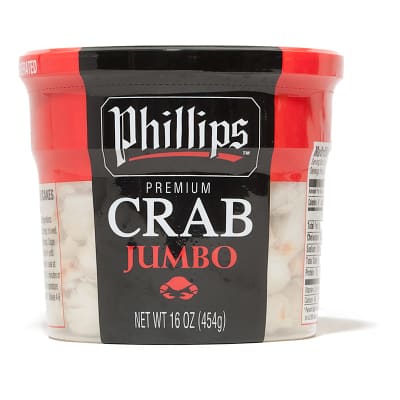
Fresh crabmeat may be hard to come by, but its flavor is superior to that of pasteurized. If your crabmeat smells clean and fresh when you open the package, skip the soaking process in step 1. These crab cakes make for a nice entrée when served with a salad.
Instructions
- Place crabmeat and milk in bowl, making sure crabmeat is totally submerged. Cover and refrigerate for at least 20 minutes. Drain crabmeat in fine-mesh strainer, pressing firmly to strain milk but being careful not to break up lumps of crabmeat.
- Transfer crabmeat to paper towel–lined plate and dry well with paper towels. Place saltines in zipper-lock bag and crush to fine crumbs with rolling pin. Using rubber spatula, gently combine scallions, melted butter, egg yolk, mayonnaise, mustard, hot sauce, Old Bay, crabmeat, and 3 tablespoons saltine crumbs in bowl.
- Divide mixture into 2 equal portions and shape into tight balls. Press 1 side of each ball into remaining saltine crumbs, flattening saltine side slightly while keeping opposite side rounded, then place crumb side down on plate. Cover with plastic wrap and refrigerate for at least 1 hour or up to 8 hours.
- Adjust oven rack 6 inches from broiler element and heat broiler. Grease 10-inch skillet with softened butter. Transfer crab cakes to prepared pan, crumb side down. Broil until crab cakes are golden brown on top and centers register 140 degrees, 12 to 15 minutes. Serve with lemon wedges.


Time
40 minutes, plus 20 minutes soaking and 1 hour chillingYield
Serves 2Ingredients
Test Kitchen Techniques
Ingredients
Test Kitchen Techniques
Ingredients
Test Kitchen Techniques
Why This Recipe Works
Since fresh crabmeat is expensive and frequently unavailable, we soak pasteurized crabmeat in milk before straining it to remove any off-putting flavors. Patting the crab dry ensured that we needed less filler—in this case crushed saltines—to bind the cakes together. An egg yolk and some mayonnaise add richness, and scallions, Old Bay, and a bit of hot sauce round out the simple ingredient list. To give the two giant crab cakes a golden-brown exterior without the fuss (and mess) of flipping, we broil the crab cakes instead of frying them.


39 Comments