Many people think they’ve never had sheep’s-milk cheese before only to discover that they’re already big fans of it. Spain’s famed Manchego must be made with sheep’s milk, as must Rome’s delightfully salty and tangy Pecorino Romano. Traditional feta and halloumi are made with sheep’s milk (or a combination of sheep’s and goat’s milk). In France, sheep’s milk is essential to the flavor of authentic Roquefort.
We’ve written about those iconic sheep’s-milk cheeses before and we cook with them regularly, but they’re just a small sampling of what you can find. We’re focusing our attention on other exceptional cheeses around the world and in the United States.
What Makes Sheep’s Milk Special
The science of cheesemaking is complex, but it’s fundamentally an attempt to remove moisture and manipulate the milk’s solids. The unique composition of sheep’s milk makes it well suited for cheese. It contains roughly twice the fat and protein of cow’s milk and goat’s milk. Because there’s less moisture to get rid of, the yield per gallon of milk is higher. As with all things, more fat means more richness. It also means greater potential for flavor. Cheesemakers describe sheep’s milk as having a grassy sweetness and nuttiness that results in full-flavored cheese. But if that milk is mishandled, says Dean Sommer of the University of Wisconsin–Madison’s Center for Dairy Research, the fat is prone to developing off-flavors, going from pleasantly “sheepy” to undesirably “gamey.”
Why Aren’t More Sheep’s-Milk Cheeses Made in America?
In the United States, the sheep industry is a drop in the dairy bucket. Recent annual data show some 13 billion pounds of cow’s-milk cheese produced—compared to just 450,000 pounds of sheep’s-milk cheese. Why? Dairy cattle farming is simply much more entrenched in America. While dairy-farm cows produce milk year-round, sheep are typically milked for about six months a year, starting in late winter when the lambs are born. Finally, “the genetics available for dairy sheep in the U.S. is very limited compared to Europe,” says Sommer. “Our dairy sheep don’t produce as much milk per animal here.”

Things are starting to change, with experts such as Mariana Marques de Almeida, an animal scientist and cheese specialist, leading the charge. In 2015, she established Ms. J and Co., a Wisconsin-based company dedicated to advancing sheep and goat dairying. After several decades of closed borders, she explained, it’s now possible to access high-yielding sheep genetics from Europe. Additionally, she and other breeding specialists are experimenting with ways to extend the milking season. By exposing a portion of a dairy herd to more light, for example, they can ensure that lambing occurs on a rolling basis instead of just once a year, with a different portion of the herd lambing every two months. More consistent year-round milk production and the predictability it brings will help cheesemakers grow the industry.
The Rules for Sheep’s-Milk Cheeses
In Europe, the tradition of making sheep’s-milk cheeses goes back for centuries. Today, many of these cheeses can only be made according to strict regulations governed by the European Union. The rules often stipulate that milk must come from specific breeds within specific parts of a given country. Idiazábal, for example, must be made with raw milk from the Latxa or Carranzana breeds of sheep in specific areas of Spain. Paški Sir requires milk from the roughly 25,000 Paška sheep that graze on the small Croatian island of Pag. Many such cheeses owe their unique flavors to the vegetation in local pastures.
European name-protection rules mean that American cheesemakers must produce original creations and riffs on European classics. Verano from Vermont Shepherd and Anabasque from Wisconsin’s Landmark Creamery, for example, are Basque-style cheeses inspired by ones from that area of France and Spain.
Great Sheep’s-Milk Cheeses for Cooking
Many people think they’ve never had sheep’s-milk cheese before only to discover that they’re already big fans of it. Spain’s famed Manchego must be made with sheep’s milk, as must Rome’s delightfully salty and tangy Pecorino Romano. Traditional feta and halloumi are made with sheep’s milk (or a combination of sheep’s and goat’s milk). In France, sheep’s milk is essential to the flavor of authentic Roquefort.
We’ve written about those iconic cheeses before and we cook with them regularly, but they’re just a small sampling of the world’s sheep’s-milk cheeses.
How Sheep’s-Milk Cheese Is Made
When making cheese, sheep’s milk can be pasteurized or left raw. In both cases, the milk is heated and cultures are added that influence the cheese’s eventual flavor and texture. The addition of rennet makes the milk separate into curds (which become the cheese) and whey (which is drained away). In the case of Portugal’s Serra da Estrela and Spain’s Torta del Casar, the rennet is derived from cardoons, a type of thistle related to artichokes.


To make Friesago at Shepherd's Way Farm in Nerstrand, Minnesota, cheesemakers cut the curds and press them into large molds (left). After the curds have knit together and form cohesive wheels (right), they're removed from the molds. (Photo courtesy of Jodi Ohlsen Read of Shepherd's Way Farms)
To make the chèvre-like Fresh Sheep’s Log from Bellwether Farms in California, the curds are salted, shaped into logs, and vacuum-sealed. It’s a “fresh” or “unaged” cheese with bright, slightly vegetal flavor. Most other cheeses age for at least two weeks and up to months or years. For these, the curds are transferred into rigid molds until they’re firm enough to hold their shape. Then they’re unmolded and transferred to aging rooms where they’re monitored regularly to ensure that they’re developing the desired flavors and textures.
The Many Types of Aged Sheep’s-Milk Cheeses
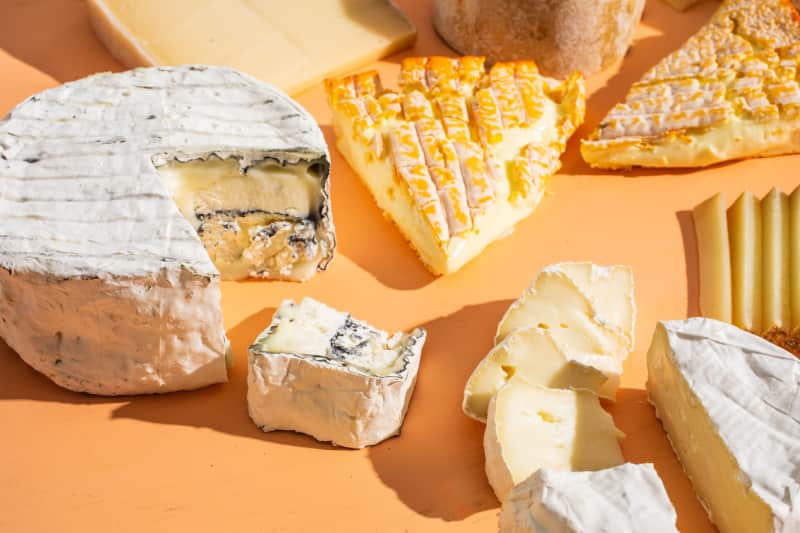
Many sheep’s-milk cheeses are aged for a month or less. These tend to be small rounds—roughly 4 ounces to about a pound—and frequently have soft, downy, mild-flavored rinds like Brie or Camembert. One striking deviation from this rule is France’s Brebirousse d’Argental. It’s a larger, short, square cheese with a beautifully striated bright orange-and-white rind, courtesy of annatto, a natural dye that’s flavorless in the small quantities used in cheesemaking.
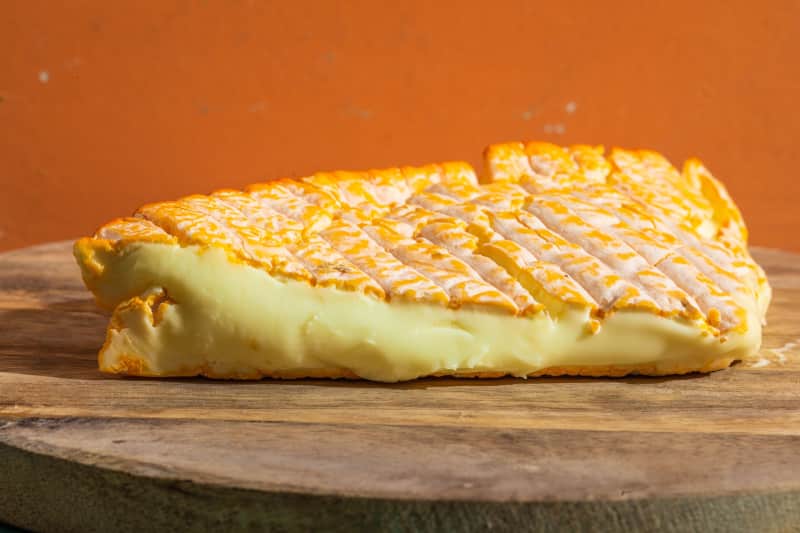
Beneath their rinds, young sheep’s-milk cheeses often continue to resemble Brie or goat cheeses. Some are silky and buttery. Often, they’re dense and slightly crumbly at the center but gooey nearer the edges. They can be punchy, particularly as they age, but more often taste of rich, high-fat dairy and grass with only a modest amount of funk.
Some sheep’s-milk cheeses that have been aged longer can still be spectacularly soft. Rounds of Torta del Casar are wrapped with a strip of fabric to ensure that they keep their shape. Serra da Estrela is buttery smooth and spreadable, though it will become harder and more sliceable with time. Both are incredibly full-flavored.

The textures of most other aged sheep’s-milk cheeses range from firm and smooth to dry and crumbly; these types generally have hard, inedible rinds. In these cheeses, the nutty-sweet flavors and grassy complexity of sheep’s milk come through in delightful ways. The nutty tang of Manchego, for example, has something in common with the toasted-hazelnut sweetness of Basque-style cheeses, but you couldn’t mistake one for the other. Sometimes the cheeses are smoked, adding a distinctive savoriness that emphasizes the cheese’s salinity and earthiness.
Sheep’s-Milk Cheeses You Should Try
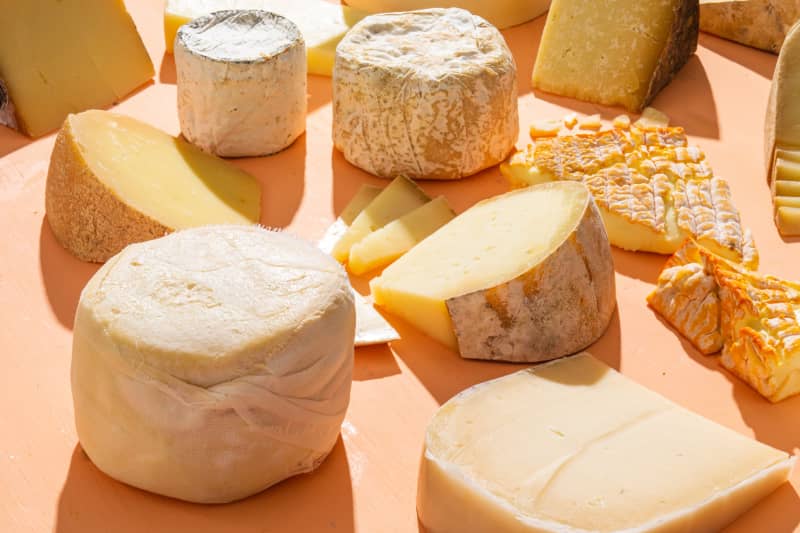
After talking with cheesemakers, cheesemongers, and a representative from the American Cheese Society, we put together a list of 17 excellent sheep’s-milk cheeses. We focused on those that we’ve never written about before. Some have long histories and might sound familiar to you; others are newer or less widely distributed but well worth seeking out. They run the gamut from a fresh, unaged log (much like chèvre) to dry, aged, crumbly wedges—and boast a similarly wide range of flavors. We’ve sorted them according to how long they’re aged. Whether you adore sheep’s-milk cheeses or are learning about them for the first time, you’re bound to find a new favorite.
- Sample plain, at room temperature