Since it debuted on public television in 1999, America’s Test Kitchen has featured countless techniques that result in better, faster, easier, and more reliable recipes.
Whether it was achieving a chocolate chip cookie with the ideal amount of chew, uncovering a hack for cooking grains in less time, or understanding the best way to impart flavor to meat with a marinade, there have been numerous discoveries from the show’s 25-year history. Here are a few of the game changers that transformed how we—and our viewers—cook.
America’s Test Kitchen’s 25th season and 1-hour anniversary special debut in September! Enter your zip code into this station finder to learn when they air on your local PBS station.
Sign up for the Notes from the Test Kitchen newsletter
Our favorite tips and recipes, enjoyed by 2 million+ subscribers!
1. Don’t boil eggs—steam them

Appeared in: Three Ways with Eggs (Season 14, Episode 3)
While developing our recipe for Soft-Boiled Eggs, we discovered that the only way to get reliable results was to place the eggs directly into boiling water—a half inch of it. Because of the curved shape of the eggs, they actually have very little contact with the water and instead, cook in the steam above it. In addition to producing perfect eggs, steaming the eggs instead of boiling them means you can use the same technique and amount of water for anywhere from one to four eggs without altering the consistency of the finished product.
2. The easiest french fries and fried brussels sprouts start in cold oil

Appeared in: Best Burgers and Fries (Season 10, Episode 22)
Cold-start frying is exactly what it sounds like: You fill a Dutch oven with oil and the ingredient you want to fry and then place the pot over high heat. As the oil warms up, the ingredients gradually soften and cook. Once the oil reaches a boiling point, the food becomes browned and delightfully crispy. In addition to the perfectly fried results, there are three other advantages to this technique: It allows you to use less oil, it requires less attention (just an occasional stir), and it results in less greasy food. (Yes, we tested it.)
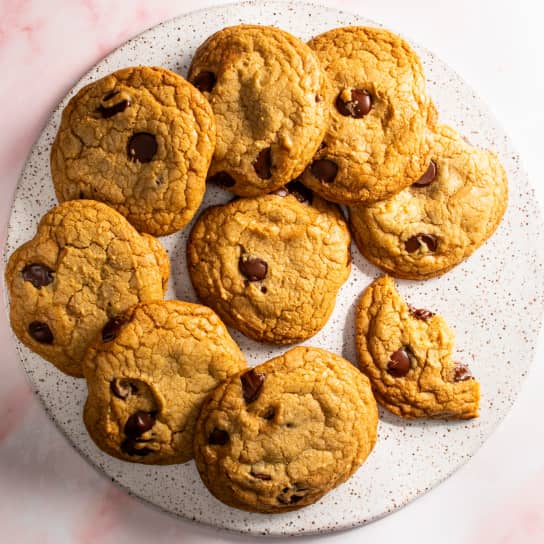
3. Melted (not softened) butter makes for the chewiest cookies

Appeared in: The Cookie Jar (Season 10, Episode 6)
When developing our recipe for Perfect Chocolate Chip Cookies, we found that one key element was melting the butter. Unlike the standard practice of creaming softened butter, melting the butter actually released water, which created a final cookie that stayed delightfully chewy rather than crispy. We love to use this technique in many of our recipes, such as Brown Sugar Cookies, Chocolate Crinkle Cookies, and Browned Butter Blondies.
4. For tender meat every time, “reverse-sear”

Appeared in: Bistro Steak Dinner (Season 8, Episode 17)
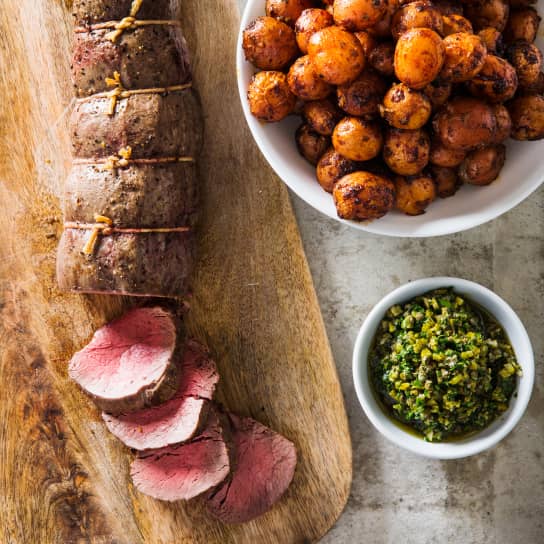
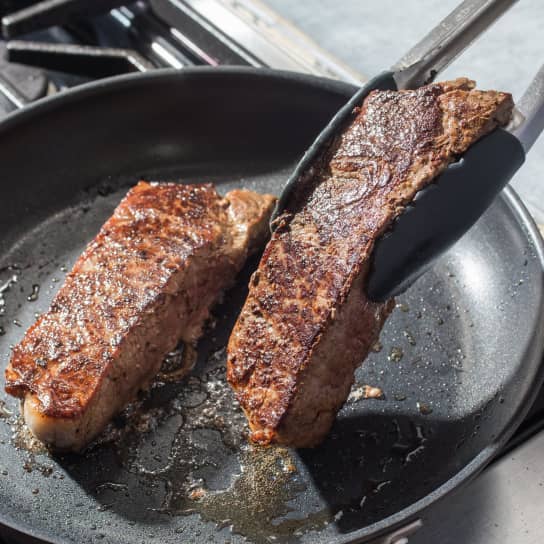
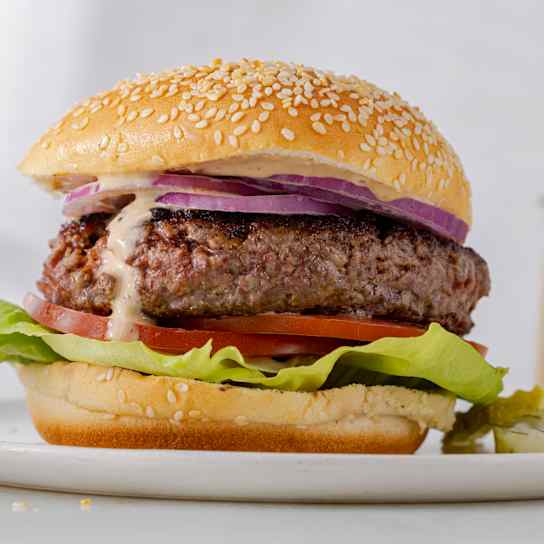
Ever since former Cook’s Illustrated test cook J. Kenji Lopez-Alt’s reverse-seared thick-cut steaks recipe ran in the magazine in 2007, we’ve found other ways to apply this technique. When we wanted a uniformly rosy interior and a deep crust on our Classic Roast Beef Tenderloin recipe, we reversed the traditional two-step process of browning the tenderloin on the stovetop and then finishing it in the oven. Instead, we first roast the meat in a low oven and then brown it in a hot skillet to finish. The hot pan rapidly browns the already warm, dry surface of the beef, so there’s no time for the meat beneath it to overcook. And we’ve gone on to apply this revolutionary idea to everything from chicken breasts to burgers.
5. Don’t just soak dried beans, brine them

Appeared in: Summer Cookout (Season 18, Episode 23)
You can brine more than meat. One thing we’ve found to be integral for flavorful cooked beans is brining them overnight, a method we employ in our New England Baked Beans recipe. This helps jump-start the beans’ hydration and soften their skins so that they cook up tender in the oven, with fewer blowouts.

America's Test Kitchen 25th Anniversary Cookbook
Best of the best recipes from all 25 seasons, including the cast’s personal game changers, the recipes and techniques that evolved how they cook at home.
Buy Now6. For taller pancakes, leave some lumps

Appeared in: Better Breakfast (Season 19, Episode 19)
When Lan Lam was developing our Easy Pancakes recipe, she found it crucial to leave the batter lumpy—but not for the reason we originally thought. It’s commonly believed that overmixing leads to excess gluten and rubbery cakes, but thorough mixing can’t actually create too much gluten in pancake batter. Rather, lumpy batter is optimal due to its thickness, which can better hold on to air bubbles during cooking, producing taller, more leavened pancakes.
7. To cut down polenta’s cooking time, use baking soda

Appeared in: Weeknight Italian (Season 19, Episode 12)
Long-cooking polenta is a delightfully creamy base for almost any dinner, but its long cook time can put people off from employing it on weeknights. Knowing that dried corn cooks similarly to dried beans—and when cooking dried beans we often add baking soda to help soften their skins—we tried using this method during recipe development for Parmesan Polenta. For polenta to lose its hard, gritty texture and turn creamy, enough water must make it into the corn’s cell walls so that the starch granules within can swell and burst (or “gelatinize”). Baking soda added to the cooking liquid reduced the time it takes for gelatinization to occur, thus shortening cooking time.
8. Use tangzhong to achieve moist and fluffy breads

Appeared in: The Ultimate Sticky Buns (Season 17, Episode 7), Jewish Baking (Season 22, Episode 6)
This Asian technique refers to a pudding‑like mixture made by cooking flour in water until the two form a gel. Working that gel into the dough ingredients enables the baker to add a higher proportion of water without turning the dough too soft and sticky. The results are light, soft, and moist breads from the gel steaming within the dough in the oven.
After applying this technique to our recipe for Sticky Buns, the final product boasted an airy, feathery crumb that remained fresher and softer than any version we’d made the conventional way. We’ve also had luck employing it in recipes for dinner rolls, challah, and more.
9. Give fishy seafood a milk bath

Appeared in: Rethinking Seafood Classics (Season 13, Episode 19)
When developing a recipe for crab cakes, we kept running into an unpleasant fishy taste even though we had just purchased the crab meat. We soon learned that was thanks to a compound found in nearly all seafood called trimethylamine oxide, or TMAO. The compound is undetectable when seafood is alive, but once it’s killed, TMAO slowly transforms into TMA (trimethylamine), which has an unfortunate smell. Luckily, the seafood isn’t bad, and the smell can be washed away by simply soaking the seafood in a milk bath for 20 minutes so that the casein in the dairy can bind to the TMA and rinse it away.
10. Whisk the right way
Appeared in: Grown Up Comfort Classics (Season 18, Episode 1)
When we compared stirring, beating, figure-eighting, and side-to-side motions in core whisking applications, side-to-side whisking was the most effective by far. Side-to-side whisking is simply an easier motion to do fast and hard—allowing you to carry out more and harder motions per minute than with the other strokes. Plus, this action causes more shear force to be applied to the liquid. As the whisk moves in one direction across the bowl, the liquid moves with it. But then the whisk is dragged in the opposite direction, exerting force against the rest of the liquid still moving toward it.

The America’s Test Kitchen Cast Members’ Origin Stories
How Julia, Bridget, and the rest of the season 25 cast landed the best job on TV.
Learn More11. For perfect pasta salad, overcook the pasta
In this segment from America's Test Kitchen TV, Keith Dresser shows Bridget Lancaster how to make our Italian Pasta Salad .
Appeared in: Summer Picnic Party (Season 19, Episode 25)
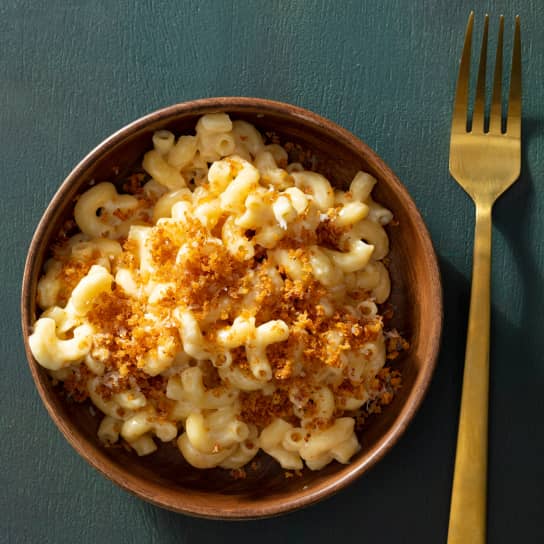
Just as leftover rice hardens when it’s refrigerated, al dente pasta tastes overly firm once it cools. This is due to retrogradation—as pasta cooks, its starches absorb water and swell. When it cools, the starches creep back together and tighten, only this time the water becomes trapped, leading to a more rigidly compacted starch.
When developing our recipe for Italian Pasta Salad, we discovered that cooking the pasta until it’s a little too soft is best when serving it cool. That way, when the pasta retrogrades, it will firm up to just the right texture. We’ve gone on to employ this technique in other recipes such as our Hawaiian Macaroni Salad.
12. Boost tartness with cream of tartar
Appeared in: The Perfect Cookie (Season 19, Episode 6)
The secret ingredient to many of our lemon recipes such as Best Lemon Bars and Individual Lemon Soufflés turns out to be cream of tartar (or tartaric acid), which imparts puckery flavor and a bright, lingering finish that tricks lemon-lovers into thinking there’s more lemon in the recipe than there actually is.
13. Amp up meatiness without adding meat

Appeared in: French Country Cooking (Season 9, Episode 25)
When we added a few anchovies to our Daube Provencal recipe in 2005—a traditional addition that yields particularly complex flavor—we learned that anchovies are uniquely rich in compounds called glutamates and nucleotides. These two compounds each enhance savory depth, or umami, in food but amp it up even more when present together. Now, we routinely slip anchovies into stews, soups, marinaras, and even meatballs to boost meaty flavor.
14. No need for oil when searing fatty salmon

Appeared in: Seafood Supper (Season 17, Episode 6)
While developing our recipe for Pan-Seared Salmon, we found that starting the skin-on fillets in a dry pan (no olive oil) resulted in perfectly cooked fish. This is because the medium-low heat of the stovetop renders natural fat out of the salmon, so it cooks in that and no extra fat is needed. Cook’s Illustrated Deputy Food Editor Andrea Geary brought back this approach when developing her fresh salmon burgers.
15. For tender dark meat, overcook it

Appeared in: Mahogany Chicken and Asparagus Stir-Fry (Season 15, Episode 11)
The cardinal rule of preparing chicken is don’t overcook it or the meat will be dry and stringy. But while developing a recipe for Mahogany Chicken Thighs in 2015, we realized that dark-meat poultry is the exception to the rule.
Though we usually like to cook chicken to a maximum of 175 degrees Fahrenheit, due to dark meat’s particularly large amount of connective tissue, we found that it tastes best when overcooked to 195 degrees. This is because at that high heat the connective tissue dissolves into gelatin as the meat cooks and renders it exceptionally juicy and tender.
16. Cook brown rice in the oven for perfectly fluffy grains

Appeared in: Roast Chicken with Garlic and Lime (Season 12, Episode 7)
When developing our recipe for Cuban-Style Black Beans and Rice, we ran into problems when cooking the rice on the stovetop: scorched rice on the bottom and undercooked rice on the top. The solution was to cook the rice in the oven, where the all-around heat of the oven cooked the rice evenly and consistently and mimicked the encompassing heat of a rice cooker.
17. Don’t boil corn—steep it

Appeared in: Outsmarting Thanksgiving (Season 17, Episode 9)
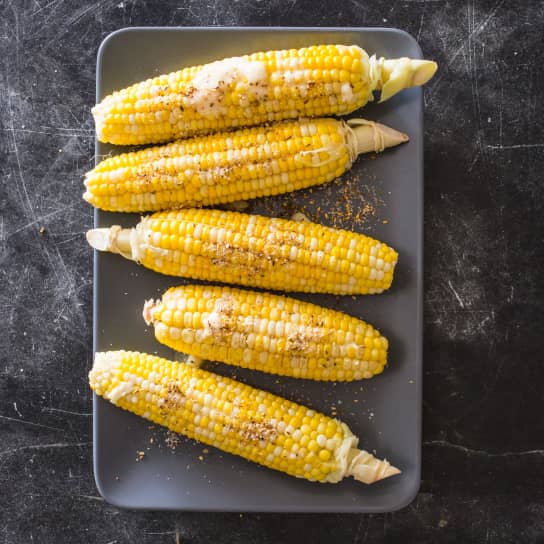
Cooking corn perfectly every time was easy once we discovered that instead of boiling the corn, the better method involved simply bringing a measured amount of water to a boil, shutting off the heat, dropping in the corn, and letting it stand for at least 10 minutes, as in our Foolproof Boiled Corn recipe. Since the water temperature decreases, the corn cannot overcook. What’s more, it’s flexible: The corn can sit in the water for as long as 30 minutes without overcooking.
18. Finish cooking meat in a turned-off oven

Appeared in: Resurrecting the Roast Beef Dinner (Season 9, Episode 11), Simply Chicken (Season 12, Episode 1)
We’ve found that in many recipes, such as our Slow-Roasted Beef, cooking food partway at a moderate temperature and then shutting off the heat yields the best results. As the heat of the cooking environment declines, the temperature of the food gradually rises. In leaner and bigger proteins (such as a whole roast chicken), this gentle heat prevents muscle fibers from getting too hot and squeezing out moisture and can even increase enzymatic activity that helps tenderize the meat.
19. Cook shrimp stock for just 5 minutes

Appeared in: Seafood Supper (Season 17, Episode 6); Shrimp, Fast and Slow (Season 22, Episode 7)
Though it may seem counterintuitive to cook something for only 5 minutes when you want to extract flavor, we uncovered that this is extremely necessary when it comes to making shrimp stock for use in shrimp risotto and shrimp scampi.
When experimenting with different broths we learned that the compounds we associate with shrimp flavor are highly volatile and reach their peak quickly. Shrimp shells contain certain fatty acids that quickly oxidize during cooking and rapidly release into the air—when they’re cooked too long this leads to a pleasant aroma, but it leaves behind a bland broth.
20. Perfect scrambled eggs use extra fat and extra yolks

Appeared in: Rise and Shine Breakfast (Season 12, Episode 3)
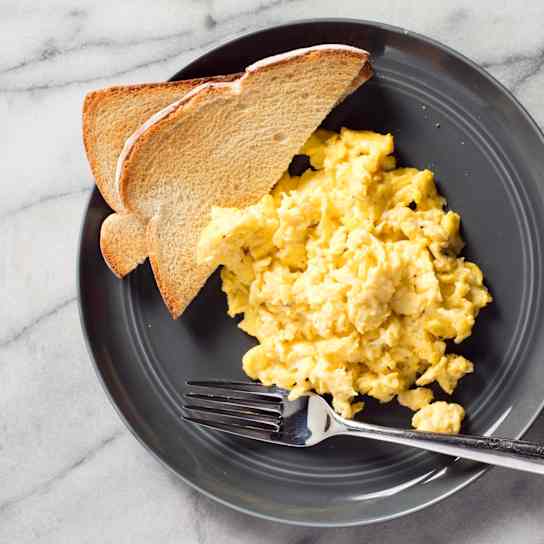
When Dan Souza was working to hone his scrambled eggs recipe he needed a way to get fluffy, tender curds without overcooking. He did so by adding two extra yolks and some half-and-half in lieu of milk. The added dairy provided some extra stability that kept the curds from weeping liquid, while the extra yolks gave us a higher proportion of fat and emulsifiers, which helped stave off the tight protein binding that happens during overcooking. The result was fluffy, moist curds.
21. Revive a broken sauce with one ingredient

When a buttery pan sauce made with drippings split and curdled into little unusable chunks, we looked for a way to salvage it. A pan sauce is an example of a fat-in-water emulsion, but if the sauce is cooked too long and too much water evaporates, the sauce breaks, since there’s not enough water to hold the fat in suspension. By simply whisking in a hearty splash of water and bringing the sauce back to a boil, the bubbling action re-emulsified the butter and recreated the glossy sauce.
22. Become a chocolatier with just a microwave
Appeared in: From an Italian Bakery (Season 14, Episode 6), Elegant Desserts (Season 18, Episode 25)
While developing our recipes for Florentine Lace Cookies and Millionaire’s Shortbread, we needed a shortcut to the finicky process of tempering chocolate. Traditionally, chocolate is melted so that all its fat crystals dissolve, and then it is cooled slightly, which allows new crystals to form. Finally, it is gently reheated to a high enough temperature to melt the less stable crystals and allow only desirable crystals to remain, which gives you beautifully snappy chocolate.
We accomplished the same result in the microwave by chopping most of the chocolate and melting it at 50 percent power. Then, we finely grate the remaining chocolate and stir it into the melted chocolate to disperse these small flakes throughout. As they melt, their temperature stays low enough that most of their crystals remain intact, essentially planting stable crystals throughout the melted chocolate.
23. Always marinate with salt for deeper flavor

A typical marinade tends to do most of its work on just the surface of food because many flavor molecules are too large to penetrate deeper. We know the key to successful marinating is to infuse as much of the soaking liquid’s flavors into the protein as possible. For this reason, we design many of our marinades with a high salt concentration because the salt seasons the meat, dissolves some of the proteins, and loosens the muscle fibers, making the meat more tender, which allows the flavor to better penetrate.
24. Baking soda isn’t just for baking

Appeared in: Tagine and Hummus (Season 21, Episode 10)
Of course we use baking soda as a leavening agent in baked goods, but we’ve discovered its numerous other talents that can all be attributed to its alkaline properties and the pH-high environment it creates. Adding just a pinch of it to grains, vegetables, and chickpeas during cooking weakens their cell walls so that they break down and soften more quickly. It boosts browning of meats by increasing the Maillard reaction, and it tenderizes meat by raising its pH and making it difficult for proteins to bond excessively.
25. A cold skillet leads to even cooking

Appeared in: Simple and Elegant Dinner (Season 21, Episode 4) Roast Chicken and Sprouts (Season 19, Episode 3), Pork Chops and Maple Cake (Season 23, Episode 14)
Adding food to a ripping-hot skillet will quickly brown the exterior, but we learned that if you want to brown a food that requires more than a flash of blazing heat to cook through, it’s best to place the food in a “cold” (not preheated) skillet and then turn on the heat. That way, the food’s interior has more time to gently cook through before the exterior burns. We love applying this technique to brussels sprouts, chicken breasts, pork chops, and steaks.
More America's Test Kitchen coverage to get you excited for the 25th anniversary: