While pimento cheese is ubiquitous in the South, its story begins in the North, where a confluence of industrial food manufacturers and resourceful home cooks gave rise to this classic, iconic treat.
Sign up for the Dinner Tonight newsletter!
Weeknight cooking inspiration, curated and written by longtime ATK author and editor (and avid home cook) Jack Bishop.
In the 1870s, two key ingredients—cream cheese and canned pimentos—gained traction in the prepackaged-food industry. Farmers in New York started producing French Neufchâtel cheese, a precursor to modern cream cheese, and the public loved it. Around the same time, sweet peppers, “pimientos” from Spain (the “i” was later dropped in the United States) were enjoying a vogue in the Americas, as they were viewed as a high-end imported good—and one that grew well stateside.
“Time will tell just how far this beloved and versatile concoction will go.”
In 1908, Good Housekeeping (based in Massachusetts at the time) ran a recipe combining cream cheese and minced pimentos, flavored with mustard and chives. It wasn’t quite the pimento cheese we know and love today, but it was an early clue of what was to come.

Published recipes such as this fueled the pimento’s popularity in the early 1900s. Georgia and California vied for top pimento production; Georgia even developed marketing campaigns and events such as festivals and pageants to bolster the state’s image as the premier producer.
But the real advantage for Georgia’s pimento industry had little to do with marketing. In a 2021 article for the Oxford American called “Pimento-cracy,” historian Cynthia R. Greenlee cites a significant disparity in labor costs between the two states. In Georgia, she writes, “pickers plucked peppers for pittances and tossed them in sacks like cotton, and Georgia’s canning workers earned 20 cents an hour to the California plant laborer’s 38.” What’s more, she writes, “Many of those workers were Black women and men.”
Eventually, between the “oppressively low pay,” new agricultural innovations, and increased processing efficiency, both cream cheese and pimentos became inexpensive and widely available across the country throughout the first half of the 20th century. Commercial manufacturers began churning out versions of pimento cheese for the masses. Sandwiches featuring the ingredient became a staple at soda fountains across the country.

By the late 1940s, prepackaged pimento cheese began to wane in popularity. But Southern cooks had taken a particular liking to the condiment and started making it from scratch, turning the manufactured product into a home kitchen staple. South Carolina–based food writer Hanna Raskin credits its particular popularity in the South to marketing efforts from Duke’s Mayonnaise, which has an extraordinarily fervent regional fan base (Duke’s, founded by entrepreneur Eugenia Duke in Greenville, South Carolina, sold its first commercial jar of mayonnaise in 1923.)
Kathleen Purvis of the Charlotte Observer cites the practicality of pimento cheese as a key factor in its drive to ubiquity; it didn’t spoil quickly (at least not when made with salty, low-moisture hoop cheese) and could be packed safely for lunch on hot days. Others point to the Masters, the golf tournament held in Augusta, Georgia, where pimento cheese sandwiches are an iconic mainstay.
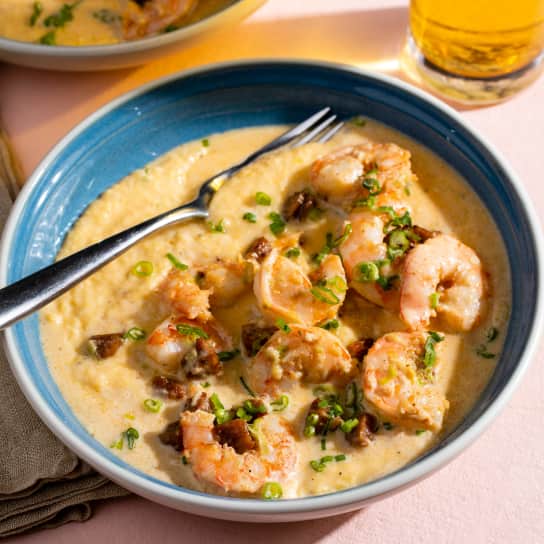
In the 21st century, champions such as Perre Coleman Magness, author of Pimento Cheese: The Cookbook (2014), carry the torch as pimento cheese continues its march into new corners of the Southern menu. Today, you’ll find it stirred into grits or macaroni and cheese, spread atop a burger, or even added to sushi rolls. Time will tell just how far this beloved and versatile concoction will go.