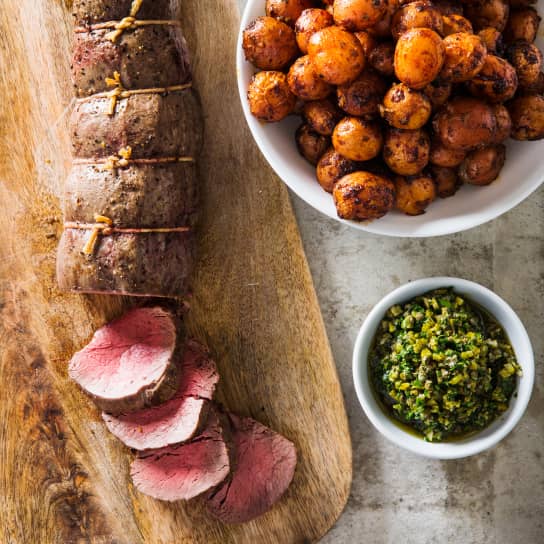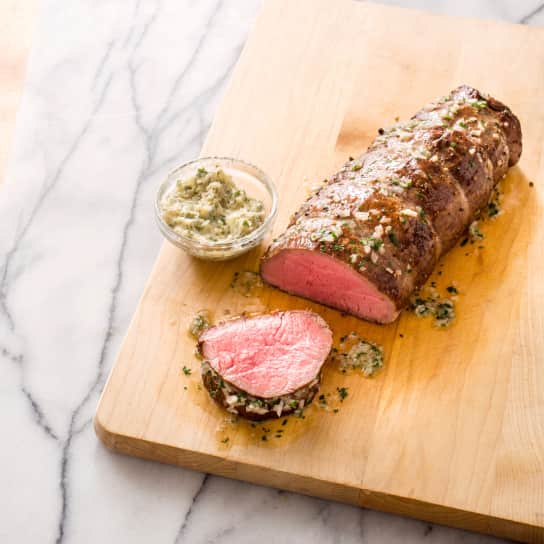
You will never find me ordering a rib-eye steak at a restaurant. Although I love rib-eyes and I’m an unabashed carnivore, the cost is too great, given that I can prepare the same steak just as deliciously at home.
But buying high-quality meat is still expensive—and it’s gotten even more so.
One way to save money is to buy steaks in bulk from a wholesale club and freeze the meat until you’re ready to cook it.
Even so, I worry that freezing could degrade the quality of the meat. And what’s the point in saving money now if you end up with subpar steak a few months later?
Sign up for the Cook's Insider newsletter
The latest recipes, tips, and tricks, plus behind-the-scenes stories from the Cook's Illustrated team.
Vacuum sealing food before freezing it is one way to ensure freshness after thawing, but I haven’t made the investment in this piece of equipment yet.
In the past, I’ve simply taken my steak in its butcher-paper wrapper or other packaging and placed the whole thing in a zipperlock bag and stuck it in the freezer. Unfortunately, any moisture that remained on the surface of that steak turned to ice crystals in the freezer.
Ice crystals can damage the muscle fibers in meat, impacting their ability to hold onto moisture.
But now, thanks to my colleagues at Cook’s Illustrated, I know a better way to freeze steak.
Meat Illustrated
Learn to cook steaks, roasts, and many more with confidence! Meat Illustrated empowers home cooks to expand their meat recipe repertoire with 350+ foolproof meat-centric meals tailored for over 70 cuts.
Save 45%The Best Way to Freeze Steak Without a Vacuum Sealer
Here’s our four-step process to ensure that the meat retains as much of its original quality as possible.
1. Pat steaks with paper towels. Blotting away surface moisture will help minimize frost.
2. Freeze steaks uncovered on a parchment-lined baking sheet. This step accomplishes a number of things:
- It allows the meat to freeze as rapidly as possible, leading to the formation of smaller ice crystals. (A slower freeze gives the crystals more time to grow, and these larger crystals can damage the meat’s cells and impair its ability to hold onto juices.)
- It helps to further dry out the meat’s surface.
- It means the steaks will freeze flat and brown more evenly if you cook them from frozen (a technique we find works surprisingly well).
3. Wrap them in plastic wrap. Once the steaks are frozen solid, we wrap each tightly with clingy plastic wrap to help prevent air from drawing moisture from the meat (and thus damaging flavor).
4. Seal in a zipper-lock freezer bag. The last step provides another barrier against air contacting the steaks. Make sure to press out air before sealing the bag.

Cast Iron Steaks with Herb Butter
This pan’s unbeatable heat retention should create the deepest, richest sear on a steak. But you first need to know your cast iron.
Get the RecipeBesides using the proper method for freezing, if you freeze a lot of meat (or other foods), an investment in a separate, dedicated old-fashioned freezer with a manual defrost may also be a good idea. More modern freezers automatically self-defrost to keep ice from forming along their sides, but because they continually raise and lower the temperature, they can accelerate ice crystal formation.
Now that you have steak at the ready in the freezer, watch Cook’s Illustrated’s Dan Souza demonstrate how to cook it while it's still fully frozen.