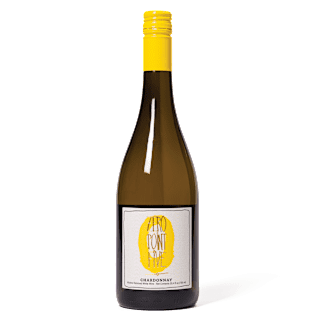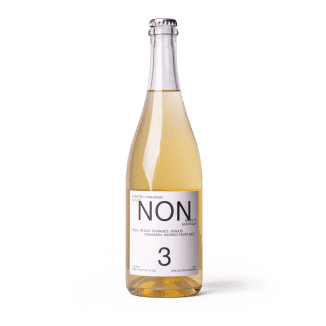
Sales of nonalcoholic wine are booming. You can get a glass at restaurants and bars or snag a bottle at liquor stores, dedicated nonalcoholic drink shops, and even some supermarkets. Some nonalcoholic wines are made in recognizable styles, from zippy sparkling Chardonnay to robust, minerally Tempranillo. There’s also a wide array of bottles that aren’t trying to be exactly like existing styles of wine but still promise to be good for savoring with a meal or popping open to toast a special occasion.
What Is Dealcoholized Wine?
Most nonalcoholic wine is made by removing the alcohol from conventional wine. This category is called “dealcoholized wine.” There are a number of ways to do it. The predominant method is called vacuum distillation, which slightly raises the temperature of the wine and evaporates the ethanol, leaving the liquid with less than 0.5 percent alcohol by volume. (For more on alcohol content in nonalcoholic wine, see the FAQ below.)
One type of vacuum distillation uses cylinders called spinning-cone columns and steam to remove the alcohol. Another common method is reverse osmosis, which forces conventional wine through a semipermeable wall that separates the alcohol from the rest of the wine.


The most common method of making dealcoholized wine is to make conventional wine in stainless-steel fermentation tanks (left and center). In some cases, the wine is then aged in oak barrels (right) before the alcohol is removed. (Photos courtesy of Studio Null)
Removing alcohol from wine creates unique challenges for producers. Alcohol makes up 9 to 16 percent of any conventional wine, and it performs many functions. “It provides a lovely, soft cushion to all the other things that tend to present as extreme in wine, such as sourness from the acid and dryness from the tannin,” said Miguel de Leon, wine director for Pinch Chinese in New York City. If you were to simply remove the alcohol, the wine would taste harsh. To reestablish balance, winemakers add sweet and fruity ingredients, such as sugar, fruit juice, and grape must (freshly pressed grape juice). Sometimes water is added to make up for volume loss.
Alcohol also contributes texture. To compensate, producers may add carbon dioxide to give their nonalcoholic wines a touch of fizz, which translates to more body on the palate. Glycerin, another texture booster, gives wine a slightly viscous, smooth texture and helps mellow the mouthfeel of a nonalcoholic wine. (A small amount of glycerin develops naturally when alcohol is created, but added glycerin is derived from vegetable oils or animal fats.)

What Are “Wine Alternatives” or “Wine Proxies”?
The other major category of nonalcoholic wine is “wine alternatives” or “wine proxies.” Instead of modifying conventional wine, producers begin with a slightly fermented base, such as kombucha and/or kvass (an Eastern European drink). You may also find water kefir, a beverage made from combining water, sugar, and kefir grain culture.


Look closely at the labels on bottles. The term “wine alternative” (left) means that it was not made from conventional wine. “Dealcoholized” (center) or “alcohol-removed” (right) means that the alcohol was stripped from a conventional wine.
Others start with verjuice (tart juice from unripe grapes) or tea. Similar to what’s done with dealcoholized wine, fruit juice concentrates and extracts are used to replicate some sweet aspects of wine. From there, producers may add a myriad of savory ingredients to balance the sweetness and add complexity. One common ingredient is salt, but some producers may also use ingredients that you might not expect to see in wine, such as black peppercorns and chicory root, to create more dimension. One adds pine needles to its red for an earthy tone. To further accentuate dryness and approximate the flavor and mouthfeel of conventional wine, some producers add wine tannin, a substance that causes a puckering sensation in the mouth.

Although these aren’t wines in the traditional sense, we found that they still offer a lot of what we’re accustomed to from wine. They can be incredibly complex yet perfectly balanced. With such an eclectic range of flavors, they’re designed to pair well with food, offering far more than a simple juice or soda.
The Top Styles of Nonalcoholic Wine
While exploring the crowded field of dealcoholized wine and wine alternatives, we sorted the options into four general types: sparkling, white, skin-contact (also known as orange), and red wine. We sipped them chilled or at room temperature, according to producers’ suggestions. We tasted each wine with our colleagues and wine industry professionals, including award-winning sommelier Vanessa Rea-Marcel; Pat Dooling, owner of Dray Drinks, a nonalcoholic bottle shop in Boston, Massachusetts; Andrew Pierce of Oz Wine Company in Methuen, Massachusetts; and Asher Beebe-Tron, manager of De Maison Selections.
We sampled 12 products in total and have summarized our tasting results directly below. We’re not naming winners, exactly. That would be like saying Chardonnay is better than Sauvignon Blanc (they’re both good!). But we noted our favorites where applicable and encourage you to follow your preferences and our notes to the full chart below. There’s a lot worth exploring.

Nonalcoholic Sparkling Wine: This category earned the most praise in our tasting. Panelists liked how “light-bodied” the wines were, noting “refreshing” and “floral” attributes. Our overall favorite was the dealcoholized Thomson & Scott Noughty Non-Alcoholic Sparkling Chardonnay, which captured the essence of a bubbly and buttery Chardonnay. The TÖST Sparkling White Tea Cranberry & Ginger was a crowd standout too. Tasters appreciated its “peachy” aroma and “dry” finish that mimicked a conventional sparkling white wine.

Nonalcoholic White Wine: We sampled four bottles of nonalcoholic white wine, two of which were dealcoholized white wine blends. Tasters showed a slight preference for the Leitz Zero Point Five Chardonnay, noting it was “highly acidic” and the “closest to a real Chardonnay.”

Nonalcoholic Skin-Contact (also known as Orange) Wine: We picked two bottles, Sovi’s The Wild Child Sparkling Orange Non-Alcoholic Wine, a dealcoholized skin-contact white wine, and Unified Ferments’s Snow Chrysanthemum, a kombucha starter–based wine alternative. Our panelists liked them both but for different reasons. The dealcoholized sparkling white wine tasted like a one-to-one replacement for a conventional wine, with some describing it as “a legit wine.” The wine alternative was more wine-adjacent in that it resembles an orange wine in body and acidity. Tasters noted “tea” and gooseberry flavors and a mildly “tannic” mouthfeel after sipping it.

Nonalcoholic Red Wine: We tasted two dealcoholized red wines, both of which heavily featured Tempranillo grapes. We were delighted by the Sovi Reserve Red Non-Alcoholic Wine, which had “high tannin” and strong “oak” notes, potentially due to the base wine having been aged in oak barrels for six years before being blended and dealcoholized. Our tasters also sang the praises of the “tannic” and “fruity” Muri Fade To Black Non-Alcoholic Sparkling Red, acknowledging that while the wine alternative “definitely wasn’t wine,” it was “delicious.”