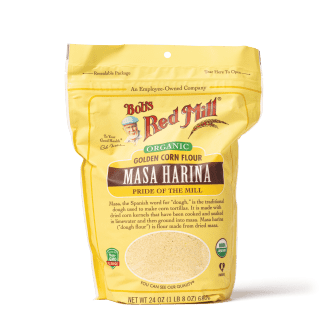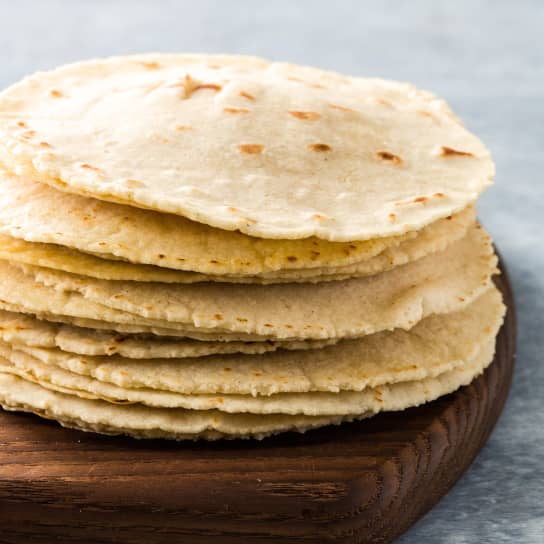
Masa is a moist dough made from ground corn. It’s used to make tortillas, pupusas, empanadas, sopes, gorditas, and more. If you dehydrate that dough and further grind it into flour, you get masa harina. You may also see masa harina referred to as “instant masa,” since it’s reverted back into dough by adding water.


Making homemade tortillas is easy with masa harina, but it still requires some practice, especially for beginners. Factors such as moisture of the dough and the humidity inside your kitchen can affect the results. See our FAQ below on tips to follow for better homemade tortillas.
Although this staple ingredient is primarily attributed to Mexican cuisine, masa harina is incorporated into cuisines worldwide. It’s part of the foodways of South and Central American countries such as Honduras, Belize, Costa Rica, Guatemala, El Salvador, Colombia, Venezuela, and Nicaragua. Masa harina is present in modern Native American cuisines as well—notably in the Cherokee Nation.
Masa harina is manufactured by a few big-name brands like Maseca, which have been around for decades, but smaller companies have recently emerged with artisanal options. To learn about this foundational food, we interviewed experts and conducted a tasting of two supermarket brands and one artisan brand of masa harina. We also provided some tips so you can get the most out of this ingredient.
How Is Masa Harina Made?
About 75 years ago, Roberto González Barrera and his father, Roberto M. González Gutiérrez, wanted to provide consumers with a convenient alternative to making masa from scratch. The father and son founded Gruma, the world’s largest producer of masa harina. Sold under the brand name Maseca, their masa harina is widely available and incredibly popular.

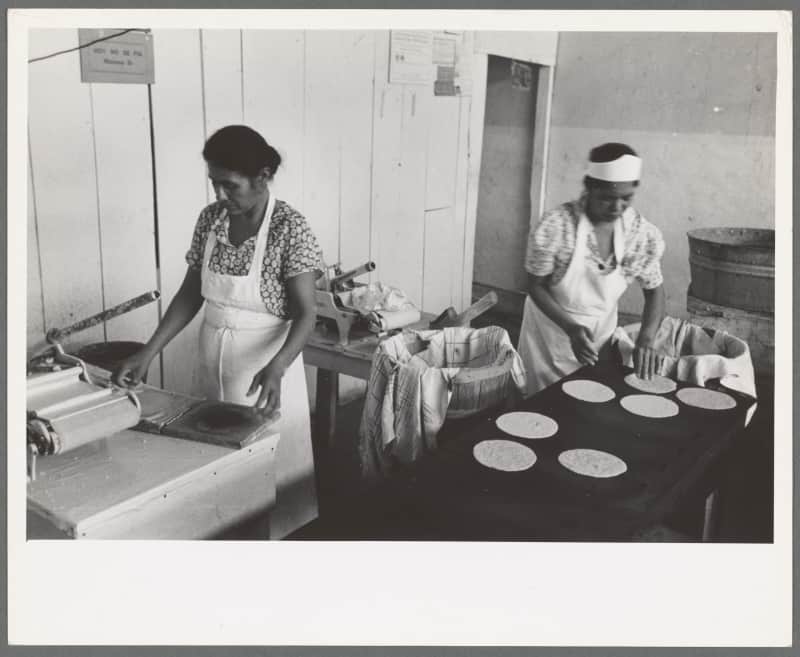
Like cornmeal, grits, and polenta, masa harina is made from dent (aka field) corn—a variety with little sugar. Before the corn is harvested, the cobs are left to dry in the field. The dried kernels are then separated from the cobs, placed in cooking vats, and submerged in water and calcium hydroxide, a process called nixtamalization. The solution softens the kernels’ outer layer (or pericarp). Meanwhile, heat gelatinizes the corn’s starch, allowing it to be ground into a cohesive dough. After about 45 minutes, the heat is turned off, and the corn is left to soak overnight. Once the soaking process is complete, the kernels are rinsed, and most of the pericarp falls away. The softened and treated kernels, or nixtamal, are ground while still wet in a stone mill or “molino,” creating masa. The masa is spread into a thin layer, dried in a dehydrator, and then ground into masa harina.
The Types of Corn Used for Masa Harina
The masa harina produced by big brands such as Maseca is made from hybrid dent corn, which is relatively inexpensive. Large-scale industrial farms mainly grow hybrid crops, which are bred to have desirable traits such as large yields and high disease resistance. They also tend to grow quickly and don’t require much attention to thrive.
Specialty masa harina companies such as Masienda use heirloom corn grown by smaller-scale farmers. Heirloom corn is grown from seeds saved and passed down through generations. While heirloom corn varieties are prized for their unique appearance and nuanced flavors, they require more work to grow and have smaller yields, which makes them pricier than hybrid dent corn.
Color is a distinctive feature of heirloom varieties. While most hybrid corn is white or yellow, heirloom dent corn ranges from deep orange to black, and a single cob can hold a mosaic of hues. We focused on yellow and white corn masa harina for our taste tests as they’re the most readily available in supermarkets. For more information about the different colors of masa harina, see our FAQ below.

Tasting Masa Harina
Three brands make up most of the options at grocery stores and online. We purchased and compared top-selling options from each of them: Maseca Instant Corn Masa Flour, Bob’s Red Mill Organic Golden Corn Flour Masa Harina, and Masienda Heirloom Yellow Corn Masa Harina. We made tortillas with each of them.

When sampling the tortillas, tasters described a range of flavors. The big-brand option from Maseca had a very subtle corn flavor, while the artisanal product from Masienda had pronounced corn overtones.
We also noted textural differences: Some of the tortillas were pleasantly springy and tender, while others were more rustic and coarse. We attributed the difference in textures to how fine or coarse the corn was ground. Masa harina that was finely ground made soft tortillas, while products with coarser grinds made more nubbly ones.

All of the masa harina we tasted made good tortillas, so instead of ranking the products from best to worst, we recommend all three and have provided tasting notes on flavor and texture preferences. If you prefer a pronounced corn flavor and tortillas with a more rustic appearance and texture, seek out an artisanal brand such as Masienda. If you like a subtle corn flavor and want a tortilla like the ones sold in many U.S. taquerias, choose a big-name brand like Maseca. Read on for more information about how to shop for, use, and store masa harina.
- Prepare and eat tortillas