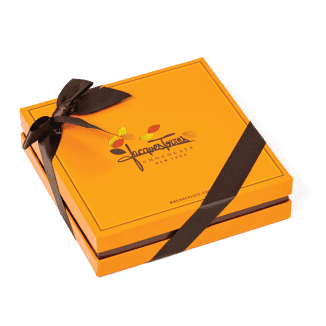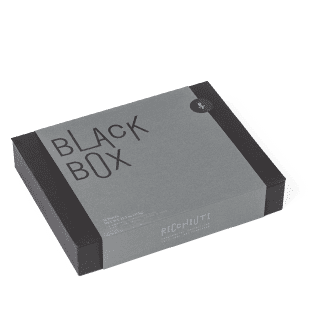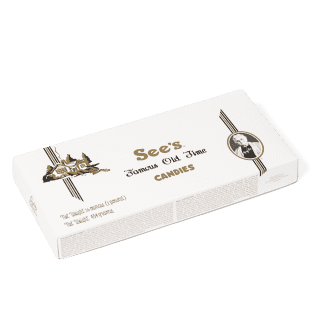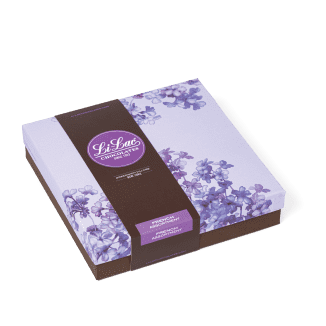
You can mail-order luxurious chocolates from the best chocolatiers in the country right to your doorstep these days. We set out to find the best, most delicious options and saw dozens of brands in a range of prices—everything from a five-piece box for $18 to a deluxe 80-piece box for $250.
We narrowed our tasting to 10 highly respected chocolatiers and ordered their signature or most popular box under $100, not including shipping fees. We assembled a panel of tasters to evaluate the chocolates on flavor, texture, and presentation. We also spoke to chocolate-making experts to learn what factors are pivotal when looking for high-quality, showstopping chocolates.


As a group, we tasted boxed chocolates and evaluated their flavor and texture, as well as the presentation of the box and the clarity of their flavor keys.
How Are Boxed Chocolates Made?
Cacao, the bean native to South America that is used to make chocolate, has been a prized ingredient for millennia. It wasn’t until the 19th century, however, that confectioners were able to produce chocolates with fillings and smooth exteriors, says The Oxford Companion to Sugar and Sweets (2015), edited by Darra Goldstein. This was due to the invention of conching, a process discovered by Rodolphe Lindt, which consists of mixing and heating chocolate to transform it from a dry mass to a more velvety, pourable consistency.
Conching enabled chocolatiers to make two main types of filled chocolates (often called bonbons), which were common in the boxed chocolates we tried (some boxes contained a mix of both): enrobed and molded.


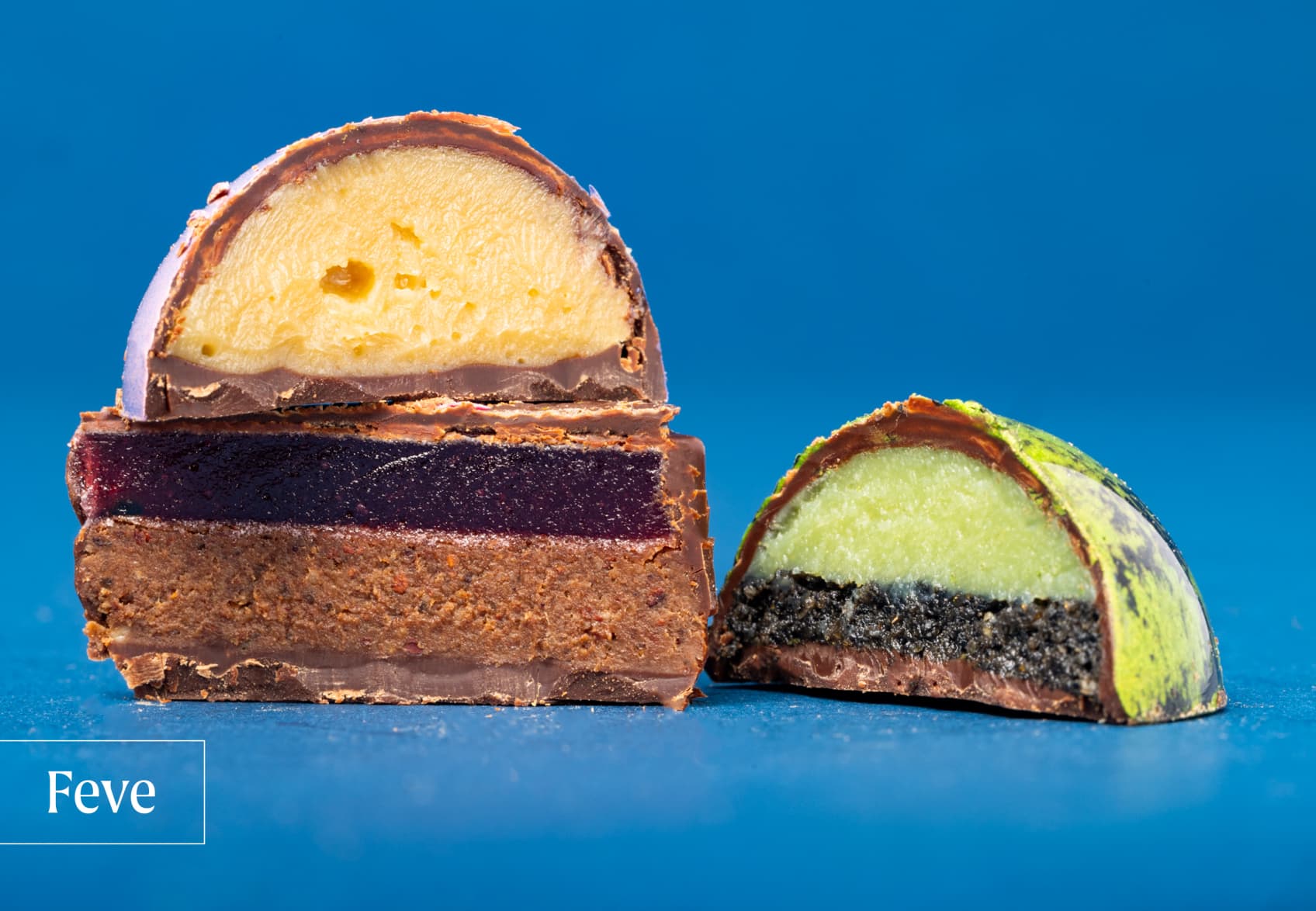
Chocolatiers can decorate enrobed chocolates with colorful graphic designs that are applied using transfer sheets (right) or may first coat the mold for molded chocolates with a layer of colored cocoa butter (left). (Photos courtesy of Feve Chocolates)
Enrobed chocolates are made by placing the fillings, such as a ganache, on a conveyor belt and passing them through liquid chocolate, after which they enter a cooling tunnel to harden the exteriors. They can also be hand-dipped, which is a similar process done by hand instead of by machine. Enrobed chocolates typically have a natural brown color and a rectangular or spherical shape. Occasionally, they can have colorful graphic designs made from colored cocoa butter that are applied using transfer sheets, explained Melissa Coppel, founder of the eponymous chocolate company and chocolate-making school in Las Vegas.

Molded chocolates are made by coating a mold with a thin layer of melted tempered chocolate, pouring in the filling, and adding another layer of melted chocolate. After cooling, the chocolates are removed from the mold. Frequently, chocolatiers first coat the mold with a layer of colored cocoa butter, which is why this style tends to be more striking and colorful.

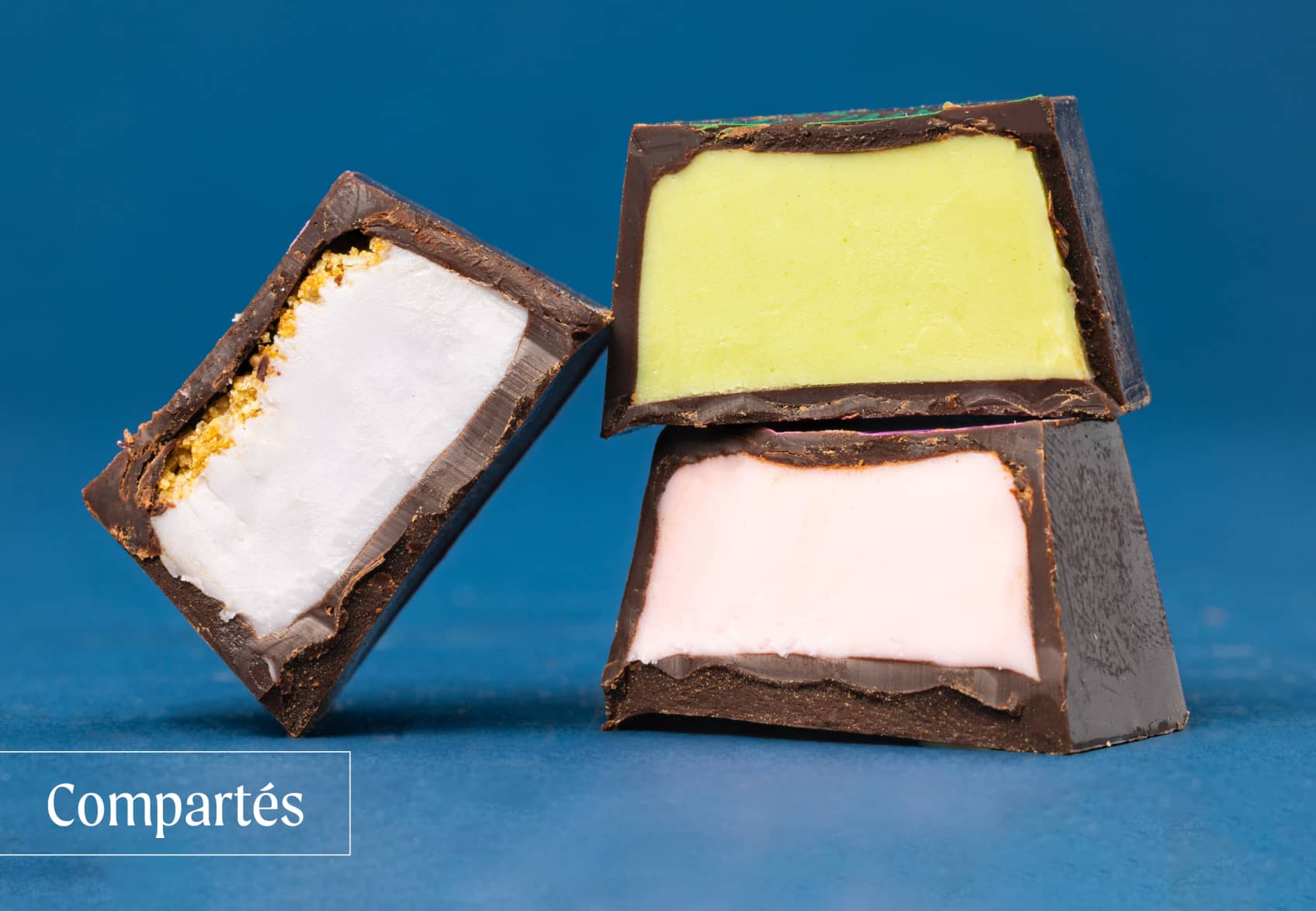
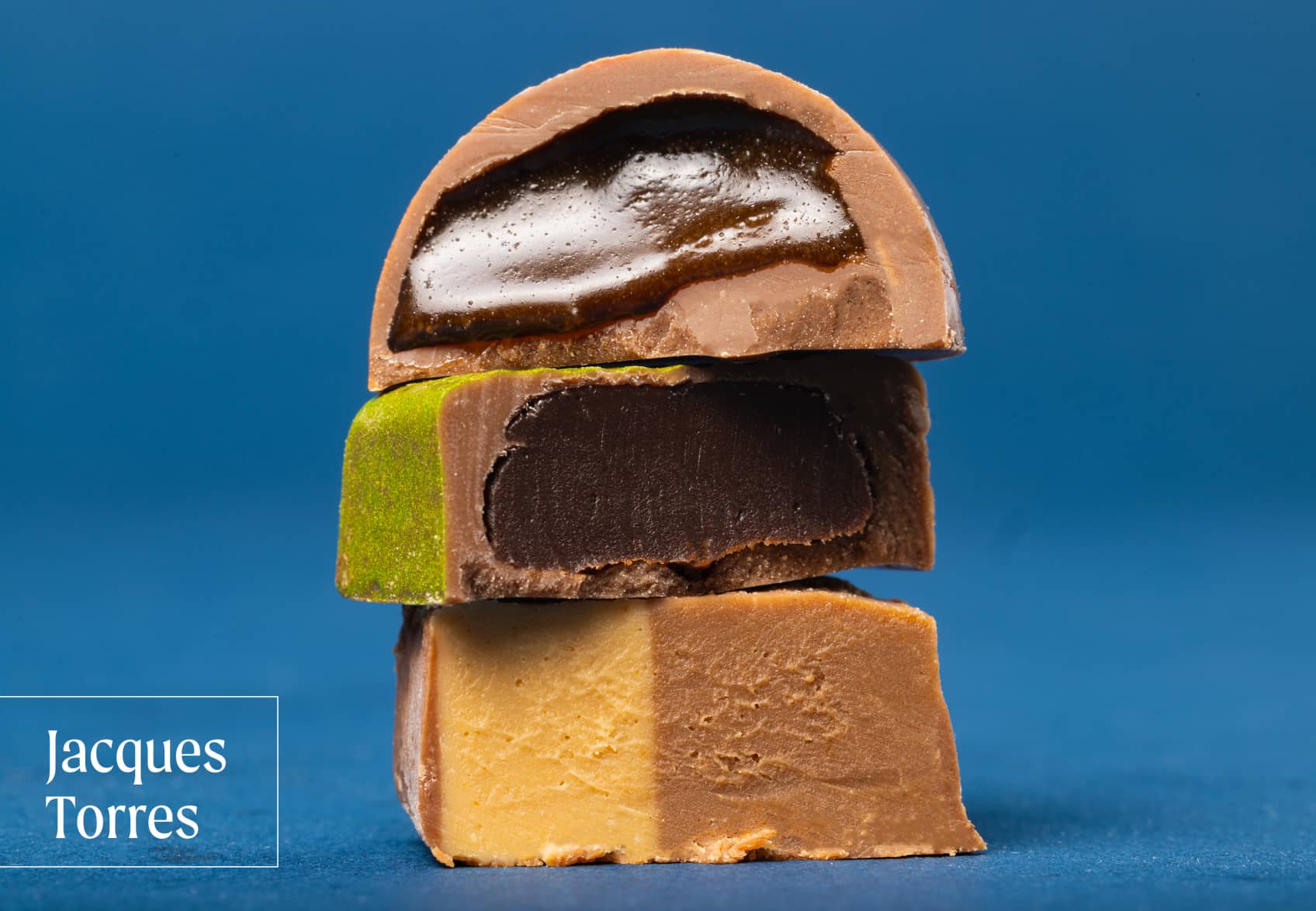
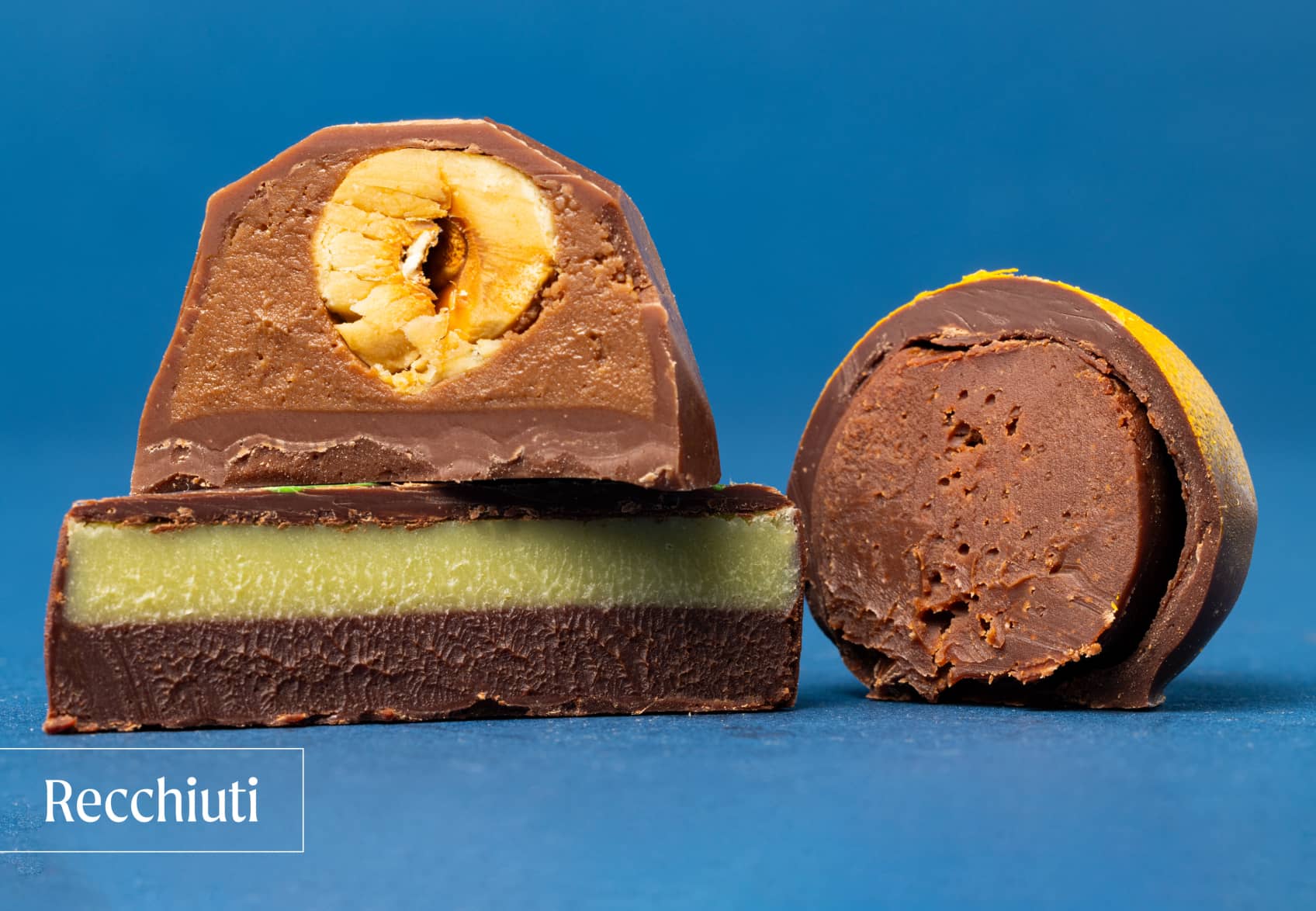
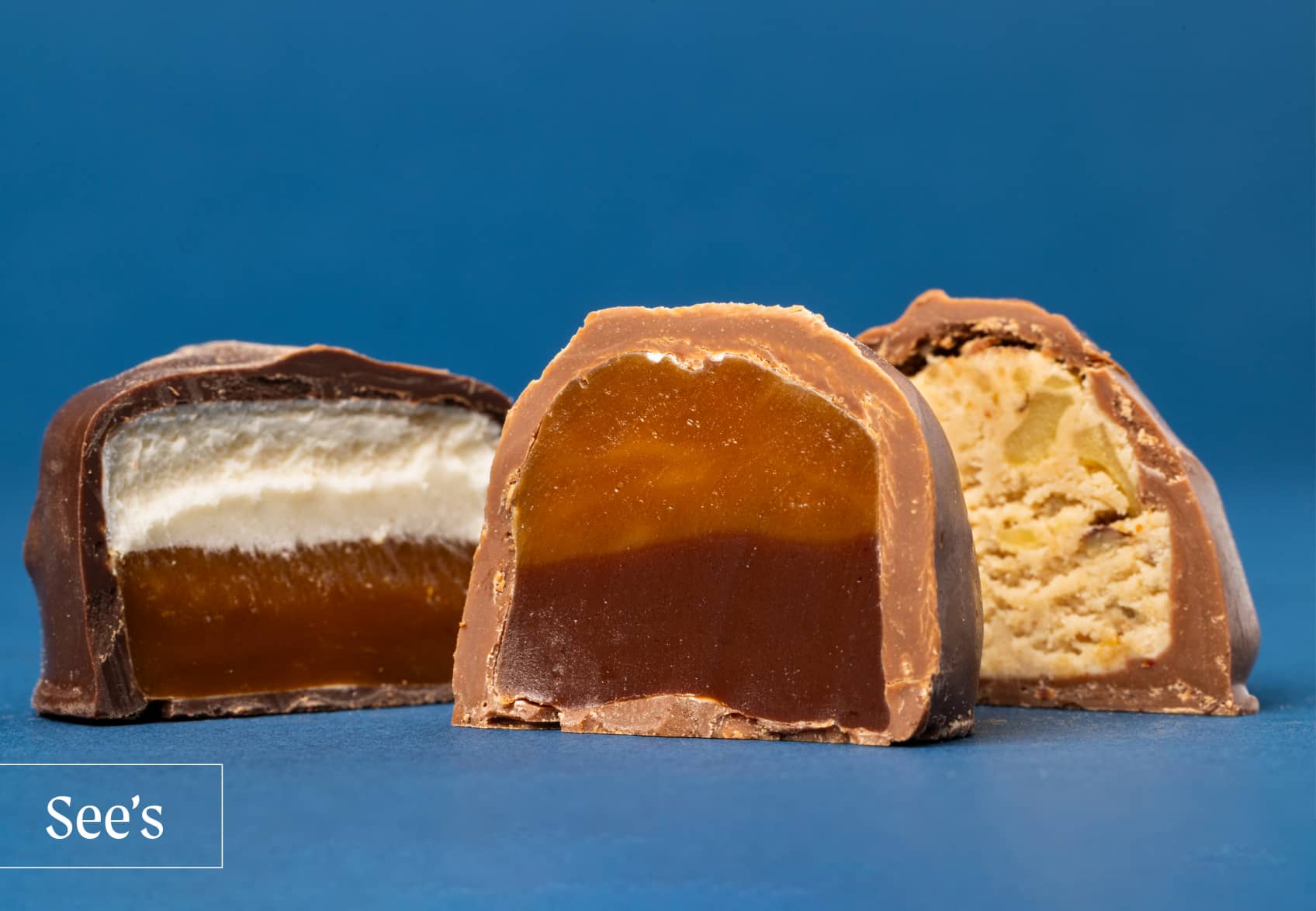
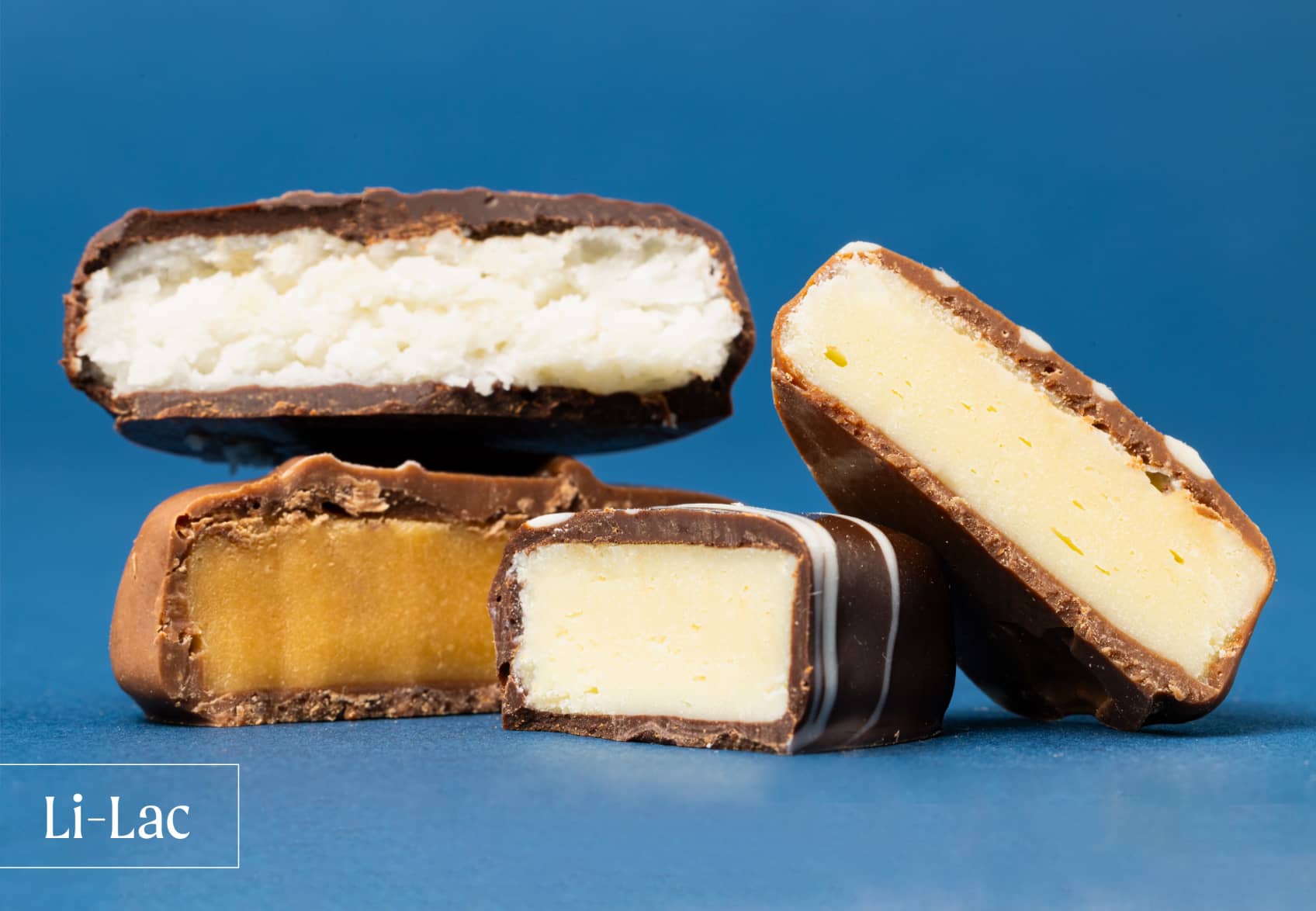
The production methods influence the textures of the chocolates. The fillings in molded chocolates are typically pourable, while enrobed chocolate fillings need more structure in order to stand up to dipping. “Molded bonbons are super-soft inside,” said Coppel. “So [they have] liquid fillings or even ganaches that have less cocoa butter.” Enrobed chocolates often contain a ganache with a higher percentage of cocoa butter and are more stiff. We found this to be true in the chocolates we tried; molded chocolates had especially gooey, luscious fillings, and enrobed chocolates were a bit more dense or chewy.
Which Boxed Chocolates Look the Best?
When it comes to the presentation of mail-order boxed chocolates, we found that you typically get what you pay for. We saw boxes with chocolates that appeared natural and understated, as well as boxes filled with eye-catching, bright chocolates with an attractive high gloss. Both are beautiful; it just depends on your style (or the style of the person you’re sending them to).


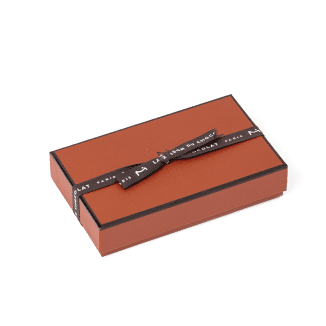
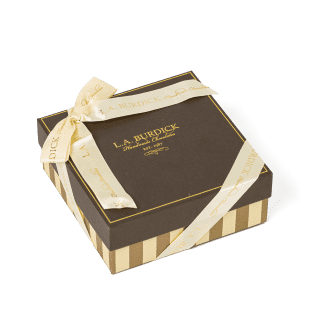
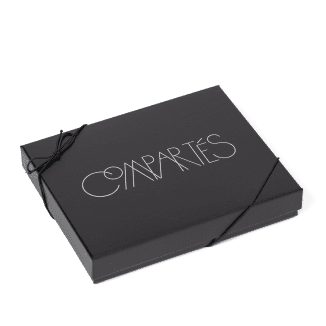
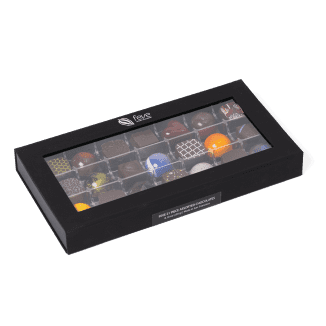
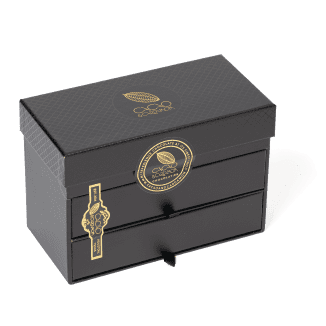
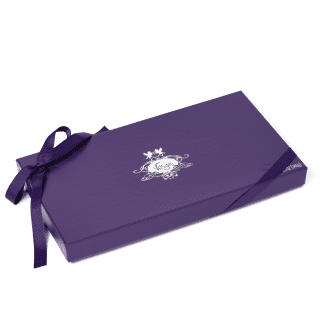
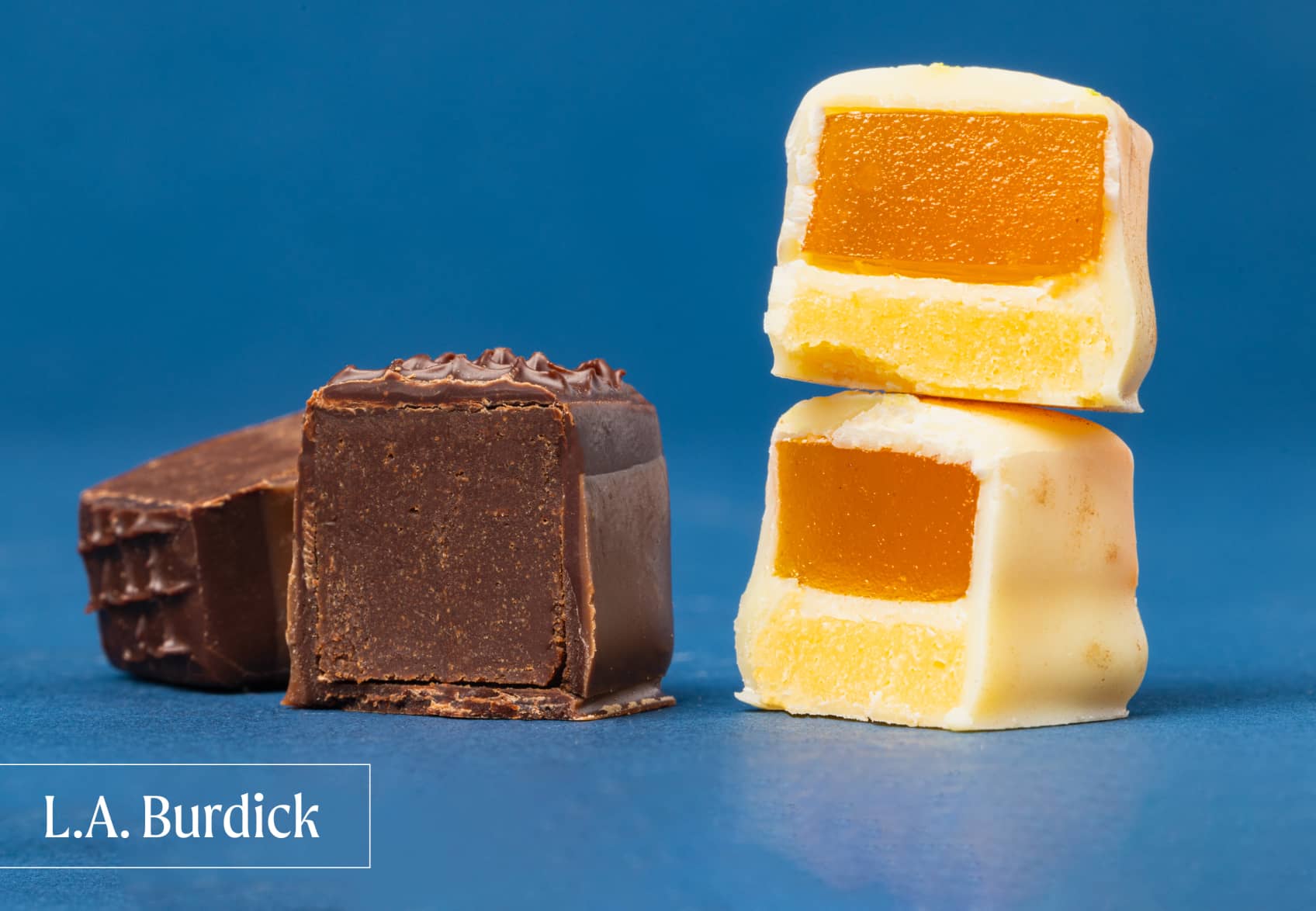
Some of the chocolates we tried were simply decorated, while others were eye-catching and intricately packaged.
While our tasters tended to prefer the beautifully packaged chocolates with higher price tags, the more affordable options had their own appeal. Their classic packaging reminded us of treats we’ve shared with our families over the holidays, and the nostalgia was almost as pleasing as the glitzier options.
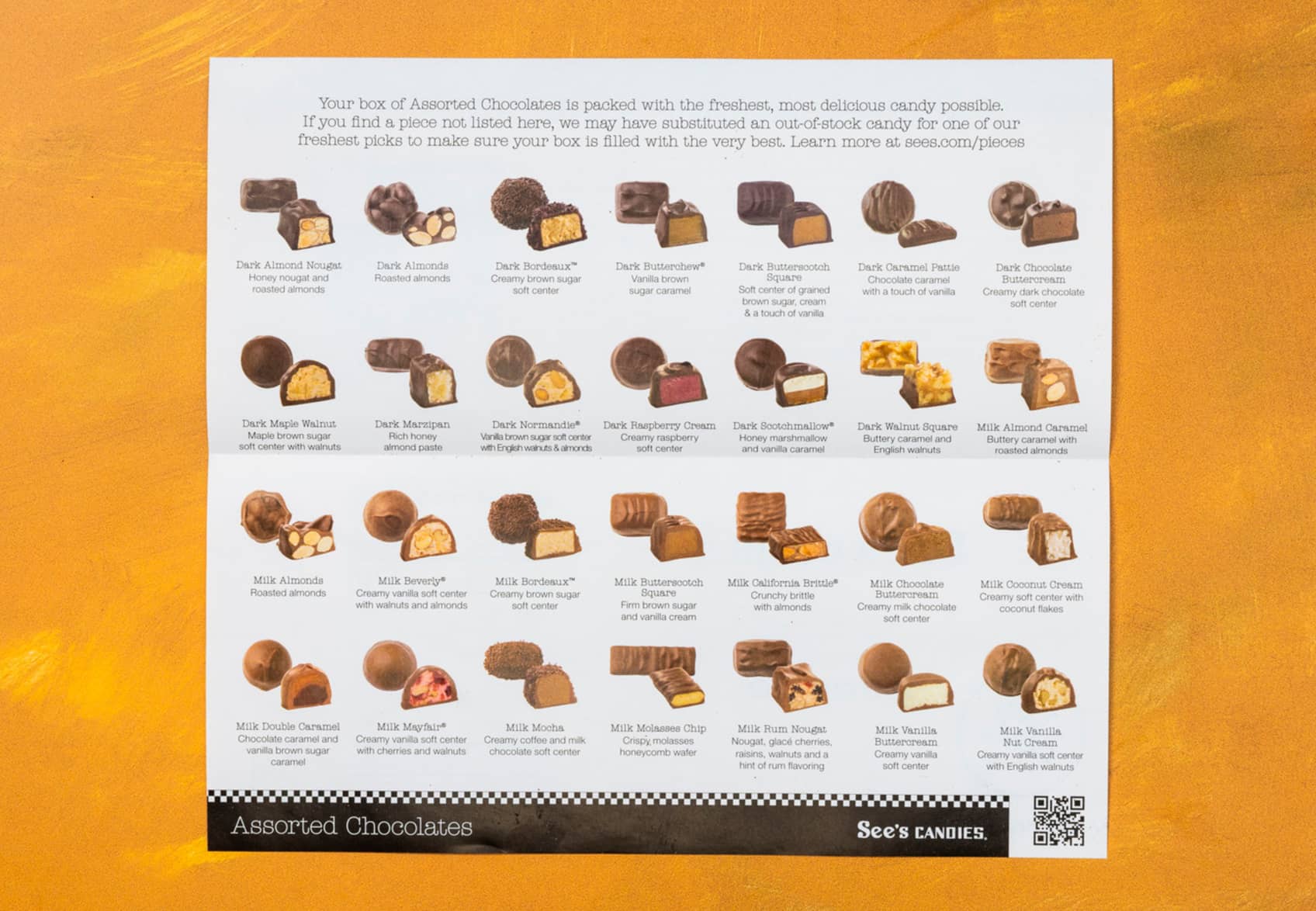
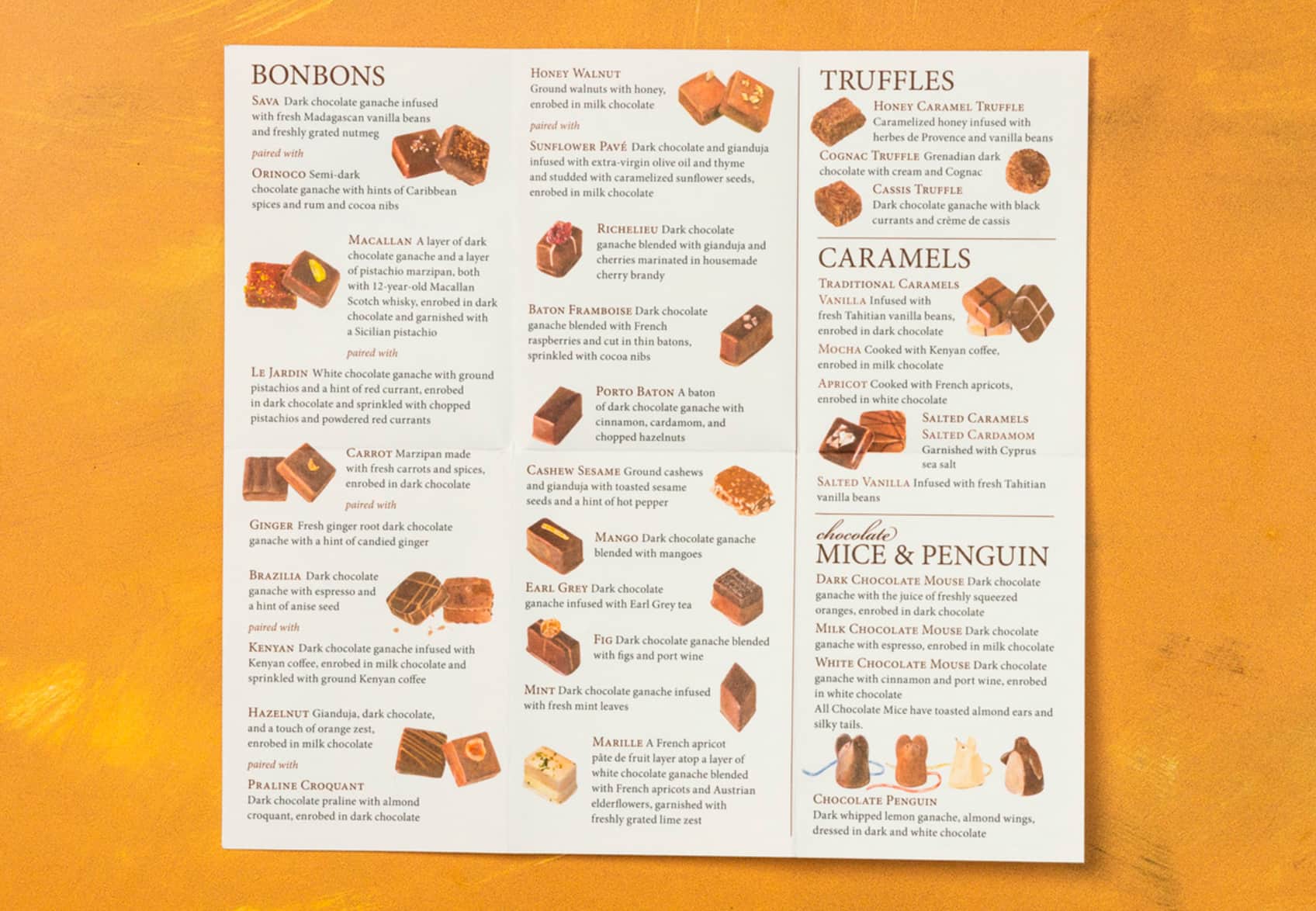
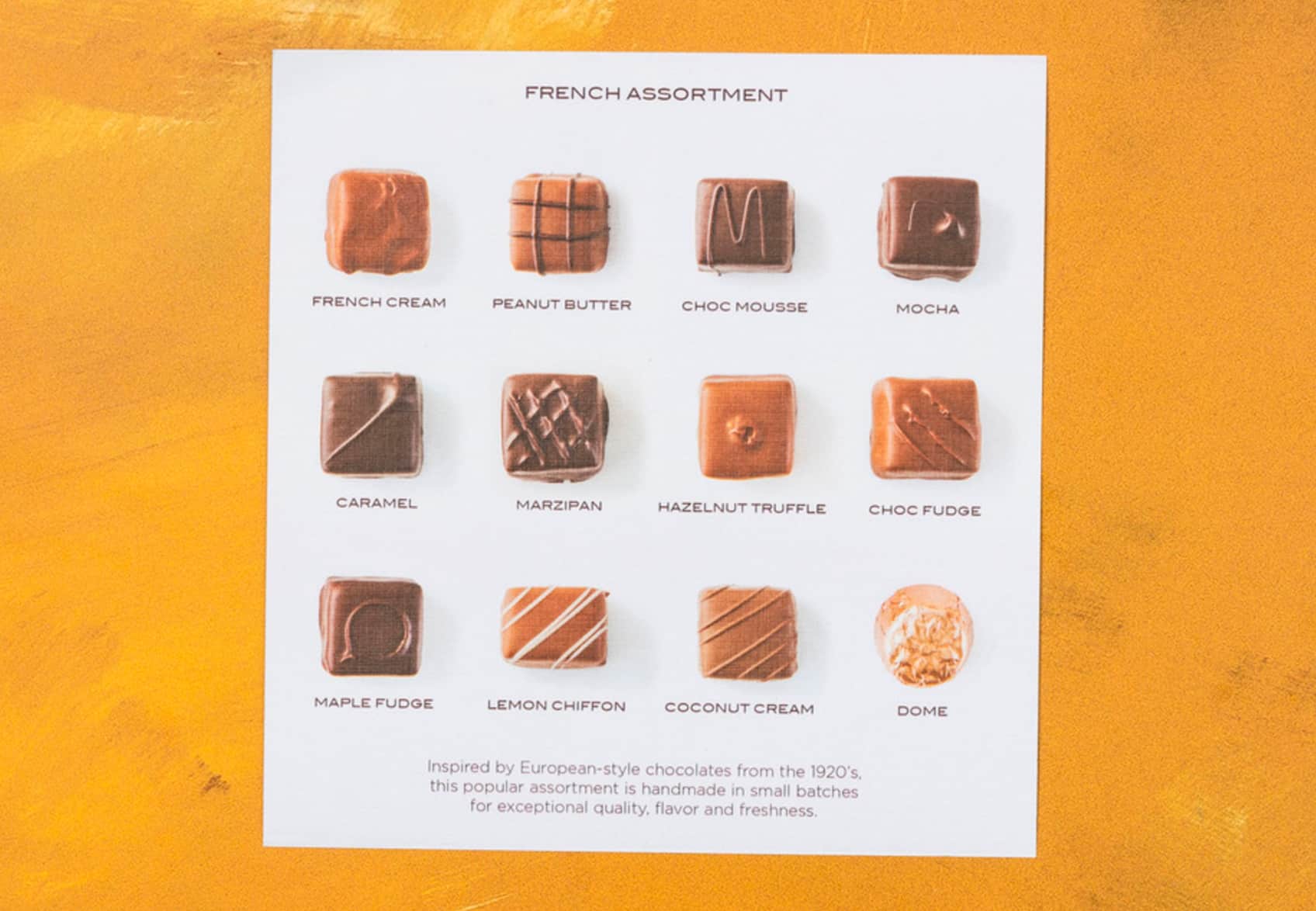
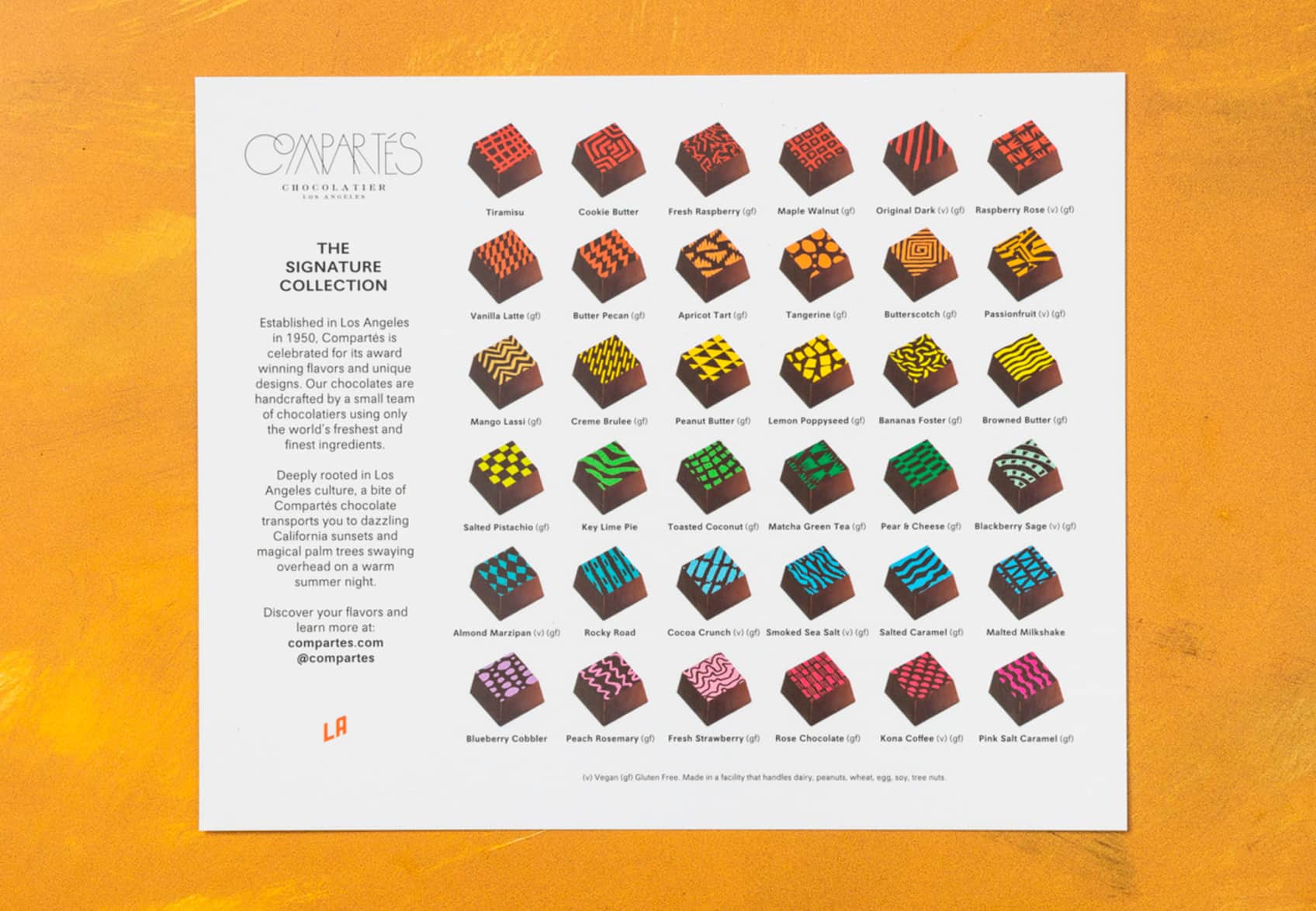
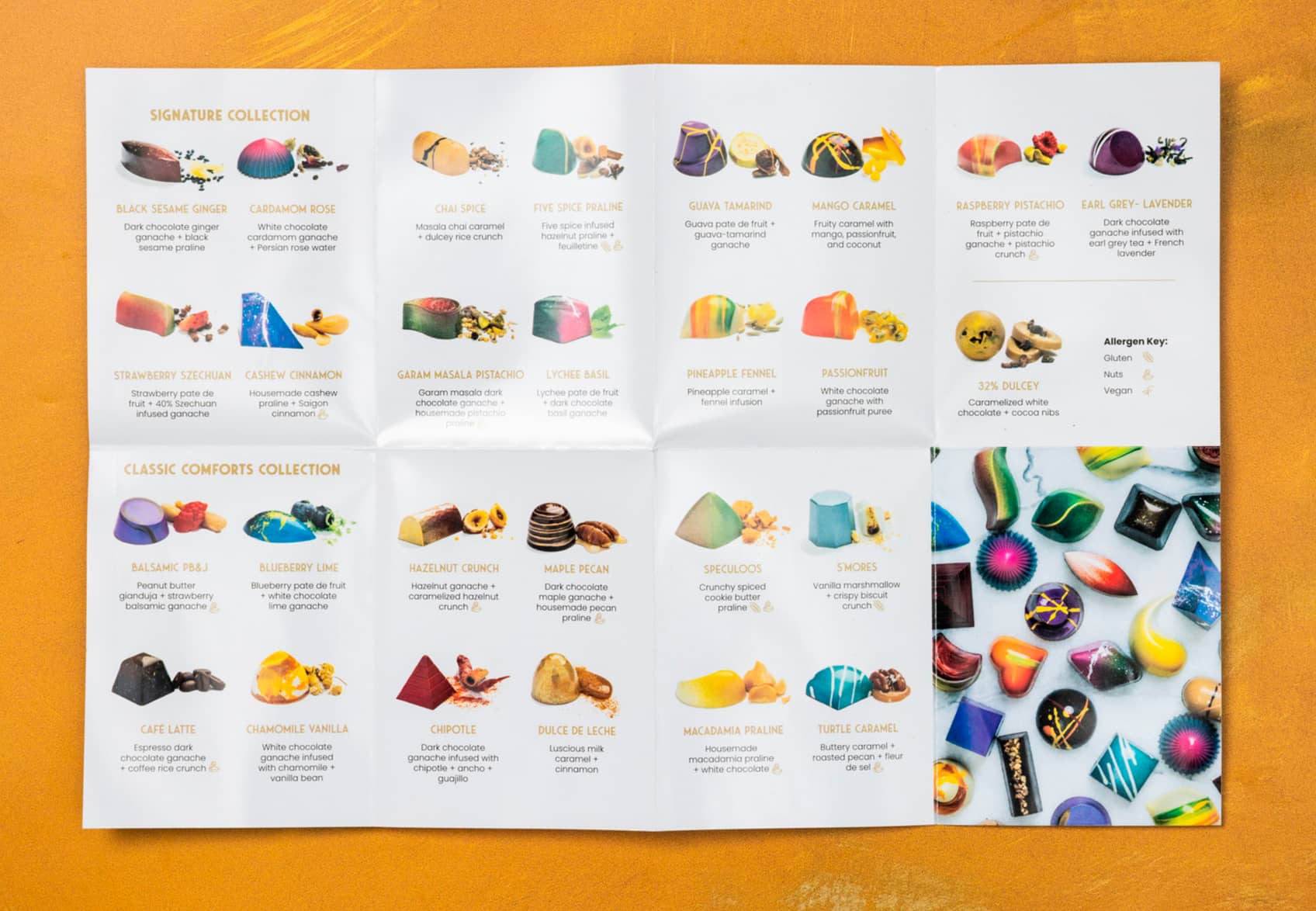
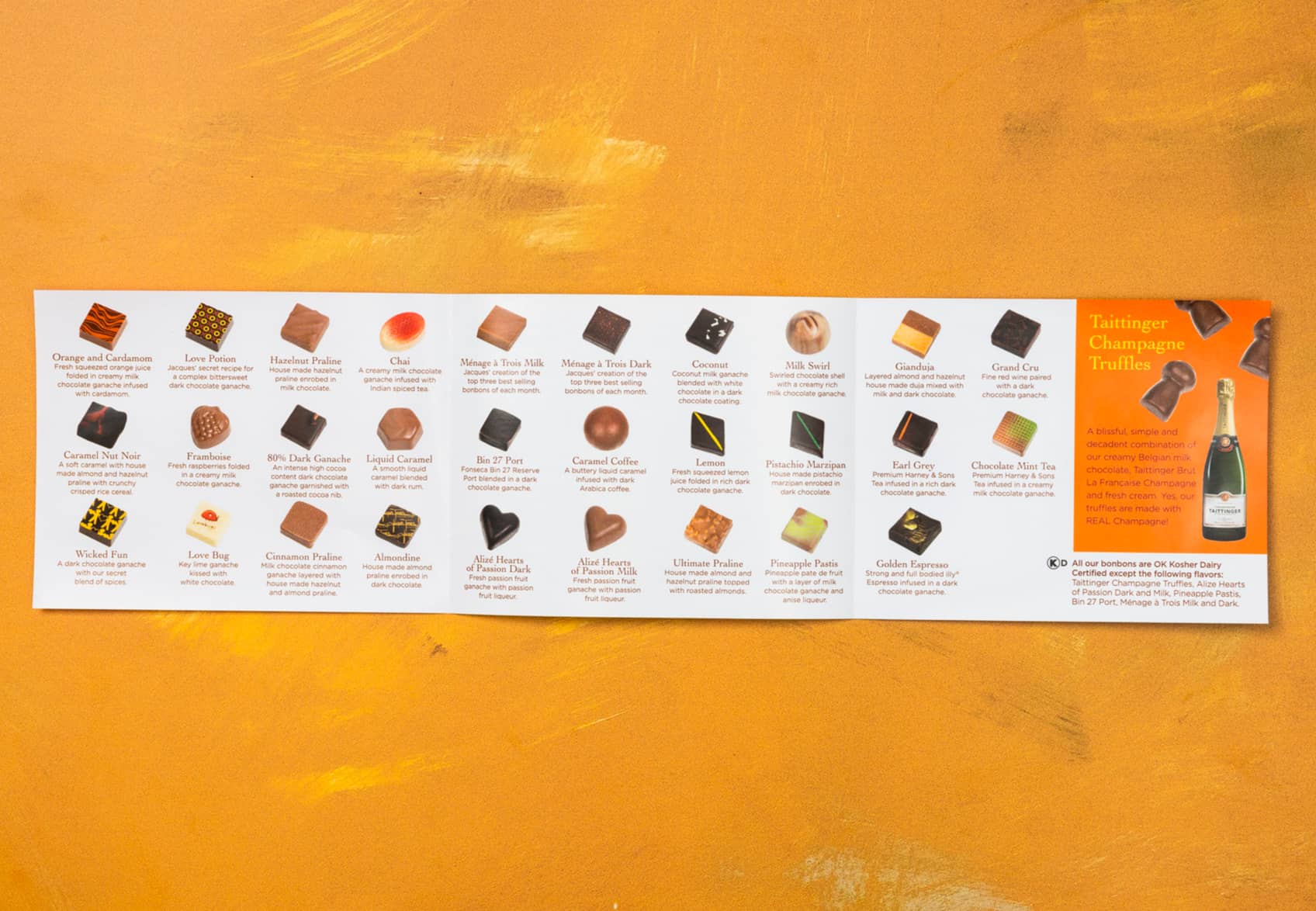
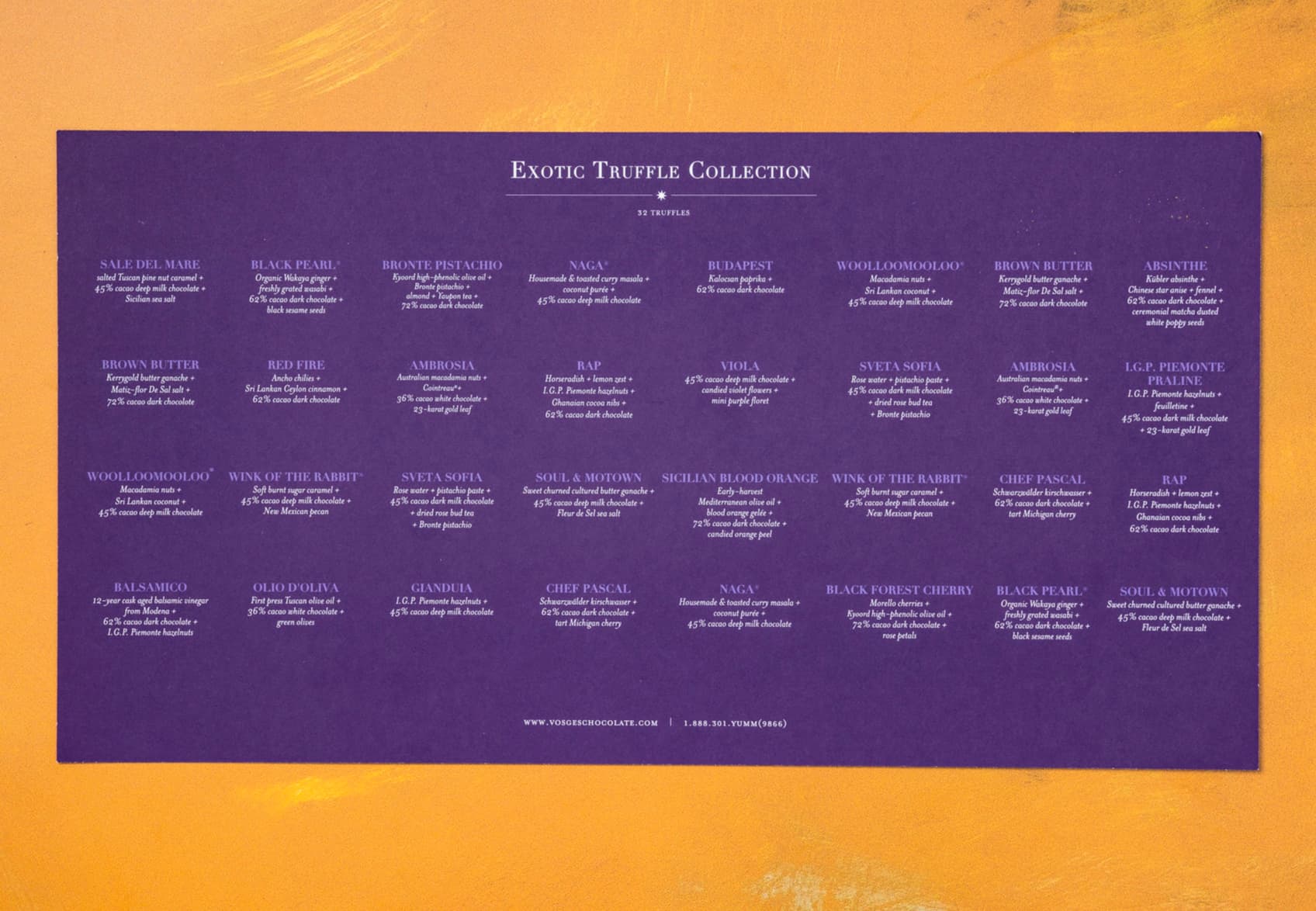
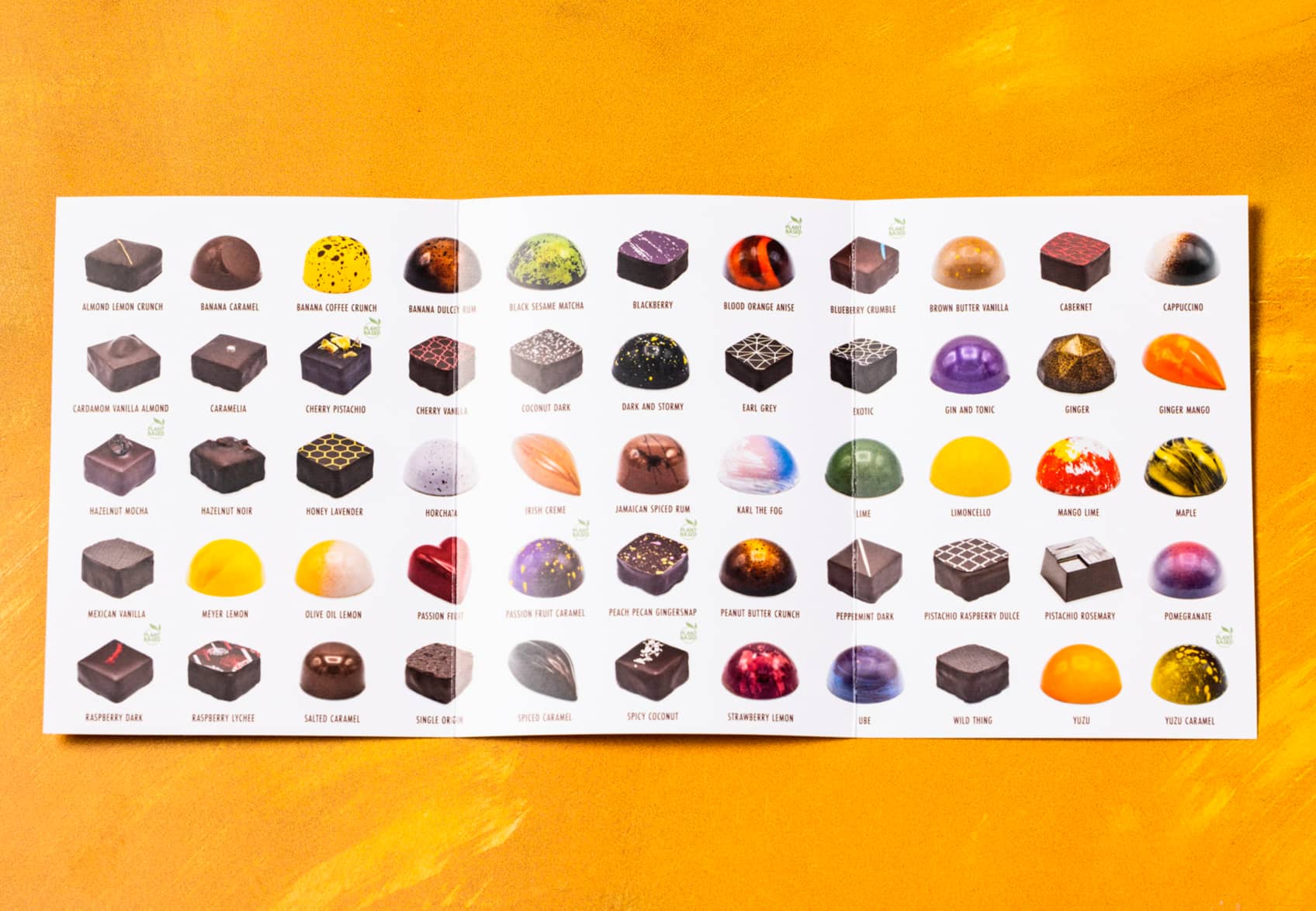
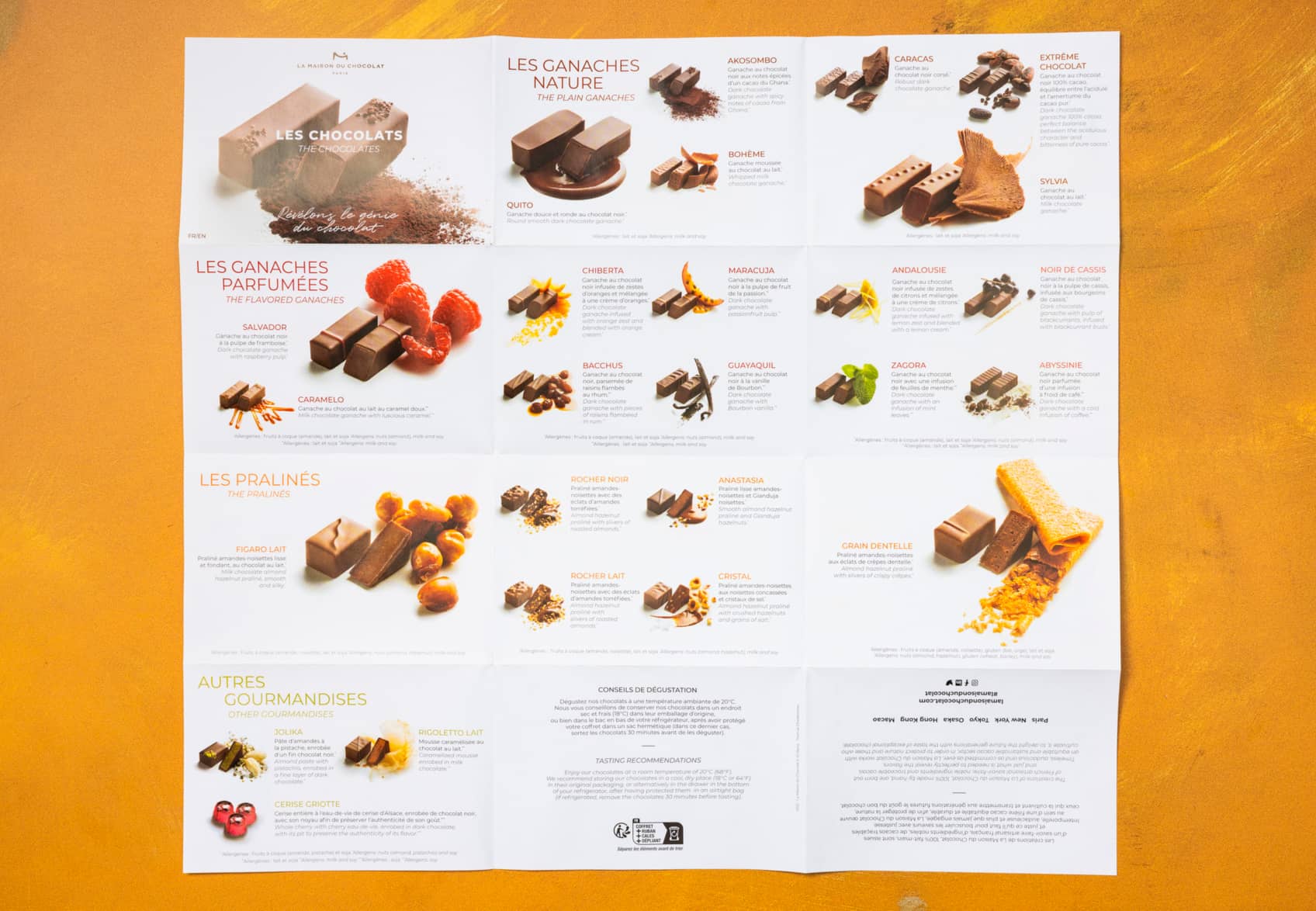
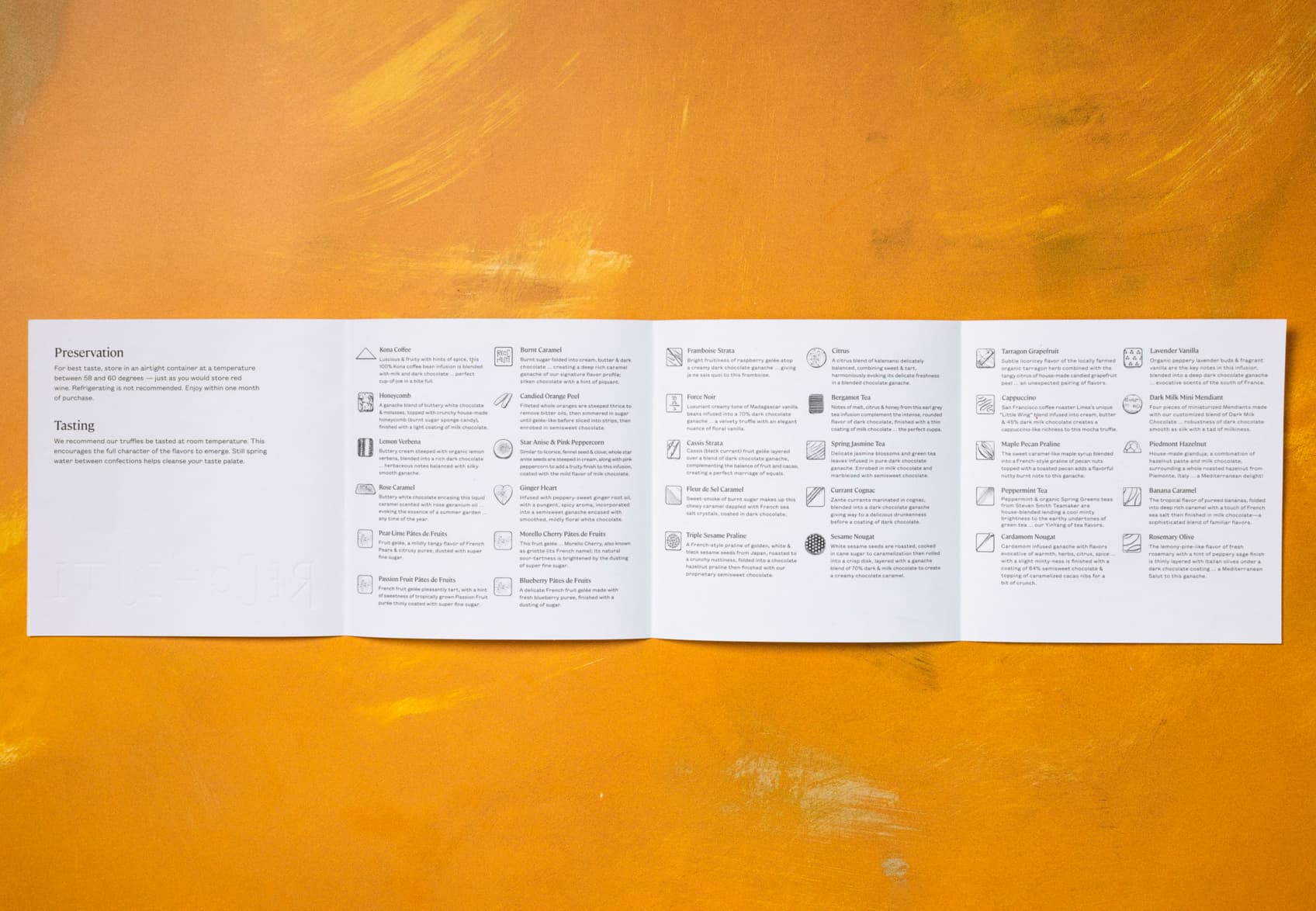
Each box we ordered came with a flavor key to help tasters identify, say, a milk chocolate ganache from a passionfruit caramel. The quality and clarity of each key (and other literature included in the box) varied wildly. Some depicted the chocolates in black and white, a factor that made it difficult to tell which was which. Others showed more chocolates in the key than were in the box, so it took longer for tasters to understand which chocolates were actually in front of them. Those with clear, informative keys made it easy for our group of tasters to quickly select a chocolate they were excited to try, and we think it would be helpful to the gift recipient too.
Tasting Mail-Order Boxed Chocolates
When it came to the flavor selection, no two boxes were alike. Some stuck to very traditional fillings: nuts, caramel, chocolate ganache, and fruit. Their subtlety allowed the quality of the chocolate to shine. Other boxes included more out-of-the-box choices such as key lime pie or yuzu caramel, incorporating creative combinations of fruits, herbs, and spices, so there was always something exciting to choose from.

Whether the chocolates are being served at a party or given as a gift, it’s important to consider your audience. It’s all about trying to find a good balance of “inviting and provocative,” Coppel said. Many of the companies we ordered boxes from constantly change their selection, and some never send the exact same box twice, which keeps things fresh if you order from them regularly.
Which Mail-Order Boxed Chocolates Should You Buy?
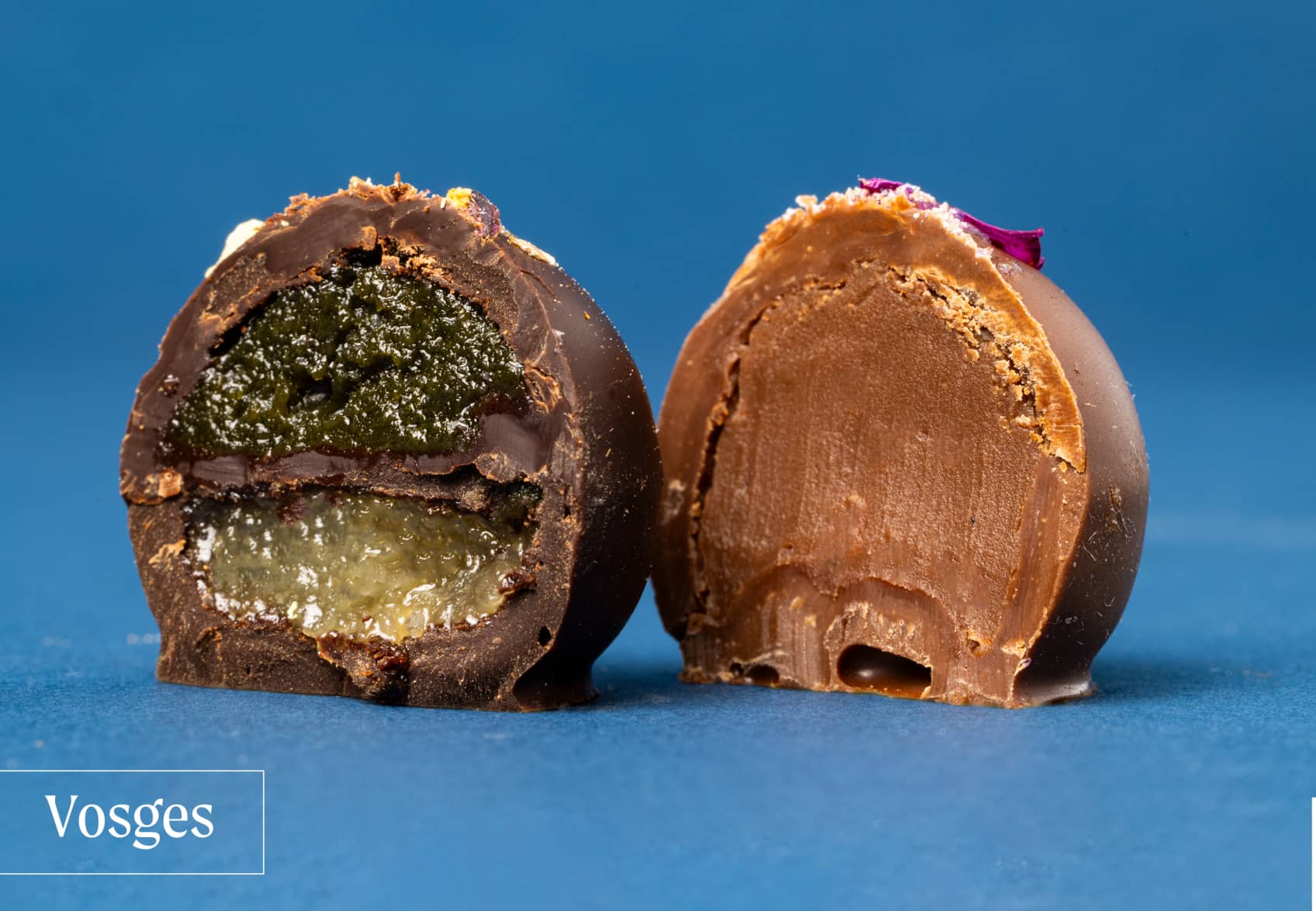
All the boxed chocolates we tried were great in their own way—it’s chocolate, after all—but two stood out. The Exotic Truffle Collection from Vosges featured elegant chocolate truffles (more on truffles in the FAQ below) in a range of flavors from browned butter to Sicilian blood orange with olive oil. It came with a clear key and a booklet that included a paragraph about each flavor.
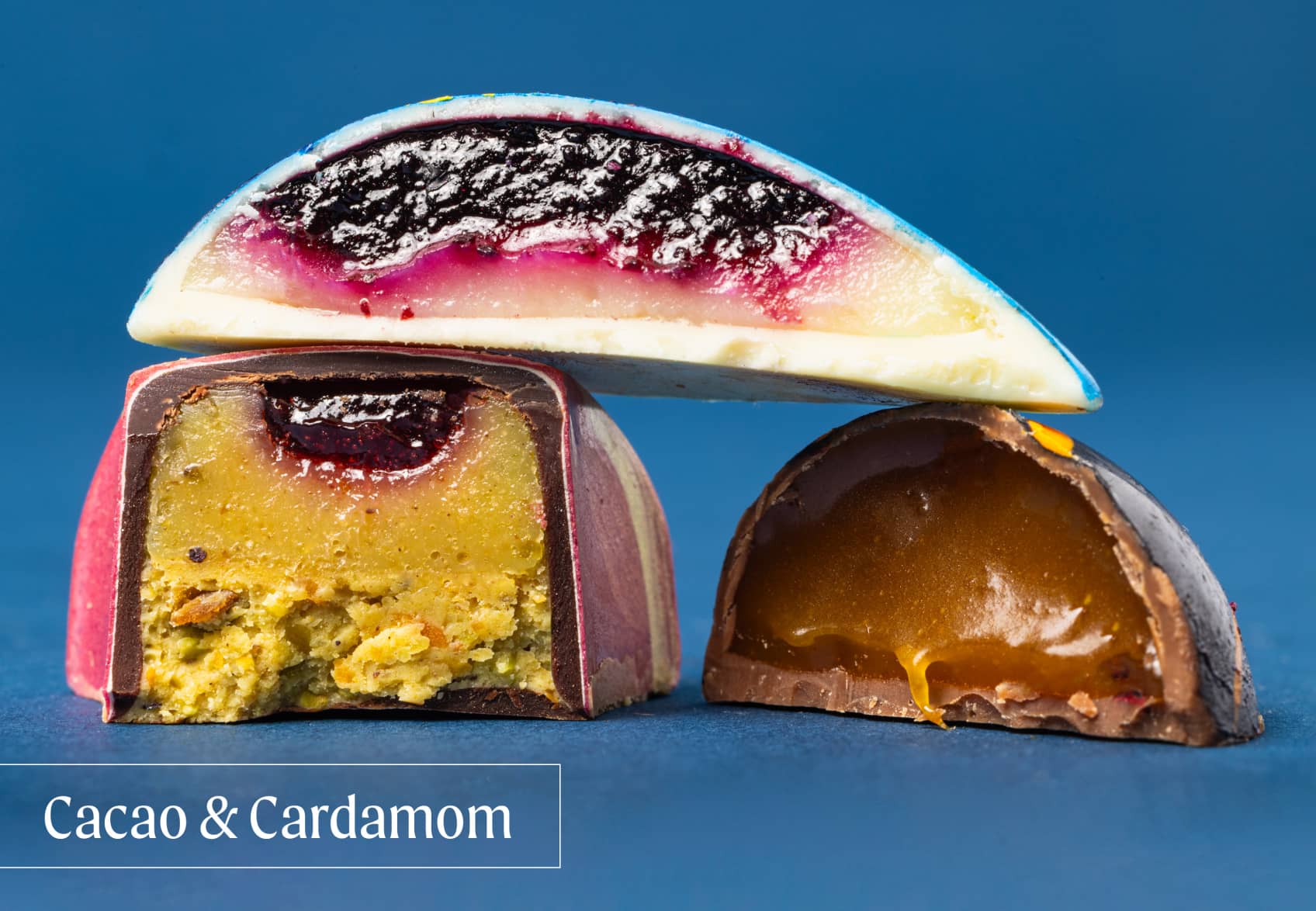
The Jewelry Box from Cacao & Cardamom was also a showstopper. Its molded chocolates came in vivid hues, and the unique flavors, such as black sesame ginger or five-spice praline, left our tasters wanting more.
While we ordered larger boxes for our tasting, both companies offer smaller boxes at a more affordable price. We listed the boxes below in order based on our tasters’ preferences and provided tasting notes and information on shipping and presentation. From classic and elegant to playful and visually striking, the world of boxed chocolates has something for everyone.
- Order boxes online, taking notes on purchasing and shipping process
- Open and taste chocolates, gathering notes from tasters
- Evaluate the flavor keys and reading materials provided with each box