Over the years the word “vanilla” has become synonymous with “plain” or “boring,” but the actual spice is anything but—it’s bursting with complex flavors. It can taste smoky, spicy, floral, and even fruity given the species, where it’s grown, and how the vanilla beans are cured.
There are two common species of vanilla: Vanilla planifolia and Vanilla tahitensis. V. planifolia is more widely grown and is therefore used in most commercial applications. V. tahitensis is less widely grown, and its flavor is more fruity and floral than the more commonly grown species.
Vanilla flavor varies from region to region as well. According to Tim McCollum, founder and CEO of the vanilla and chocolate purveyor Beyond Good, Madagascar vanilla is what most people imagine when they think of vanilla—full-bodied, rich, and creamy. Mexican vanilla, on the other hand, is "a bit warmer and spicier" than Madagascar, and Tahitian vanilla is "a bit fruitier."

Ninety-seven percent of vanilla beans produced today come from the Vanilla planifolia species of orchid flower.
Flavor differences also arise within growing regions based on how the vanilla beans are cured after harvesting. For example, some Mexican vanilla tastes smoky because the pods are cured in wood-fired ovens; some pods are cured in the sun and are not smoky at all.
While most home bakers are familiar with the two most common products made from vanilla beans—liquid extract and whole beans—even avid home bakers might not be familiar with three other vanilla products beloved by professional bakers: vanilla paste, ground vanilla, and vanilla powder. We were curious to find the best versions of these products and to learn when and how to successfully use them at home.


We tasted our favorite vanilla products alongside one another in Classic Vanilla Pudding and Chewy Sugar Cookies.
First we conducted tastings to find the best dry vanillas and vanilla paste. Next, we took the top-rated product in each tasting and compared them with vanilla extract, imitation vanilla extract, and vanilla beans in Chewy Sugar Cookies and Classic Vanilla Pudding in a taste test. We used the substitution ratios suggested by manufacturers (when available) and rated each sample on vanilla flavor.

We began our pretastings with three brands each of vanilla paste, ground vanilla, and vanilla powder.
After the sugar rush subsided, we tallied up the scores and made three discoveries: First, each form of vanilla added great flavor to recipes, but their flavors varied from product to product. Second, the prices of the various vanilla products varied widely, too (see “How Do Different Formats of Vanilla Compare in Price?”). Finally, most of the products are interchangeable, but we found that ground vanilla and vanilla powder didn't disperse as evenly in wet applications. How and when you use each vanilla product depends on what you're making and your budget. We've compiled our takeaways and suggestions as well as summaries of tasters' descriptions of our winners in each category. Take a spin through the wide world of vanilla and see which form of this beautiful spice works best for your needs.
Liquid Vanilla: Vanilla Extract and Imitation Vanilla Extract


What Are They?
Pure vanilla extract is made by soaking vanilla beans in a mixture of water and alcohol, which extracts the flavor from the beans—hence the name “vanilla extract.” Because vanilla beans are expensive, pure vanilla extract is also pricey.
An affordable alternative is imitation vanilla extract. It contains a synthetic version of vanillin, the main flavor and aroma compound found in vanilla beans. Synthesized vanillin can be made numerous ways, but it’s mostly made from guaiacol, which is typically derived from petroleum by-products. We use pure vanilla extract and imitation vanilla extract interchangeably, and they will both last indefinitely.
When to Use Them
Liquid vanilla is the most commonly called-for option in recipes. You can use it in just about anything. Both types of liquid vanilla contain alcohol and therefore can taste boozy. Pure vanilla extract often tastes more complex than imitation vanilla extract because it contains at least 500 flavor volatiles, while imitation contains only one. However, imitation vanilla extract can offer a bolder vanilla flavor depending on how much synthetic vanillin it contains.
The various flavor compounds in vanilla extract evaporate at different temperatures, so as it's heated, its flavor changes, losing some notes and retaining others. Because imitation vanilla contains only one volatile compound, it simply loses potency when heated. We recommend adding liquid vanilla products to items such as lemon curd, pastry cream, and pots de crème off the heat and at the end of cooking to make the most of its flavor.
Tasting Notes
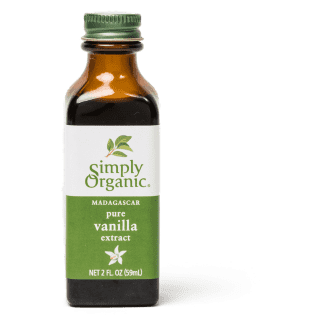
Winning Pure Vanilla Extract—Simply Organic Pure Vanilla Extract ($19.02 for 4-fl-oz bottle): “Full-flavored”; “oaky, toasty”; “slightly, pleasantly boozy”
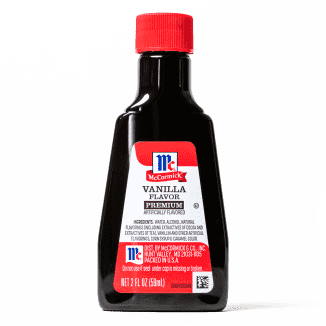
Winning Imitation Vanilla Extract—McCormick Premium Vanilla Flavoring ($3.09 for 2-fl-oz bottle): “Strong vanilla flavor”; “not as complex as others”; “one-note”; “a bit of an alcohol bite at the end”
Vanilla Paste

What Is It?
Vanilla paste is a thick, scoopable mixture of vanilla extract; ground vanilla beans; sugar; and a thickener such as xanthan gum, gum tragacanth, or carrageenan. Because pastes are made with vanilla extract, they contain alcohol.

We love seeing black specks throughout our vanilla desserts. Vanilla paste, as compared with vanilla beans, is an economical and easy way to achieve this appealing look.

When to Use It
Vanilla paste is a great option when you want to see specks of vanilla bean in a dessert without breaking the bank. Beans are the other option for adding the appealing speckles, but they are quite expensive and dry out over time; paste has the added benefit of lasting longer in the cupboard.
Tasting Notes
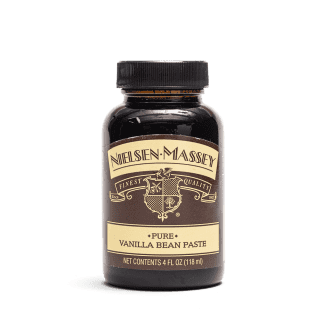
Winning Vanilla Paste—Nielsen-Massey Pure Vanilla Bean Paste ($19.99 for 4-oz bottle): “The flecks are pretty and appealing”; “vibrant vanilla flavor”
Dry Vanilla: Ground Vanilla and Vanilla Powder

What Are They?
There are two types of dry vanilla: ground vanilla and vanilla powder. Ground vanilla is made simply by grinding vanilla beans, but it’s expensive (up to about $50 per ounce). There’s a big trade-off, though—since it’s so concentrated, you need to substitute only a small amount of ground vanilla for the liquid vanilla called for in a recipe.
Vanilla powder is milder than ground vanilla, though still flavorful; it contains vanilla bean extractives mixed with additives that add sweetness, such as sucrose and dextrose, and ones that help lengthen shelf life, such as maltodextrin. Those added ingredients also dissolve easily and make vanilla powder less expensive than ground vanilla. Because vanilla powders do not contain bean solids, they don’t add dark specks to desserts. There is some overlap in the naming of these two products, so we suggest checking the ingredients to determine which type of dry vanilla you’re buying. Ground vanilla will list only vanilla beans as an ingredient, while vanilla powder will contain additives.

Dust vanilla powder over your favorite chocolate cake for an extra pop of vanilla flavor.

When to Use Them
Both types of dry vanilla can be easily combined with other dry ingredients when making cookies, cakes, and brownies and added to dry mixes such as pancake or waffle mix. To prevent it from clumping in recipes such as puddings and custards, add dry vanilla with the other dry ingredients, such as sugar, instead of at the end. Keep in mind that ground vanilla (but not vanilla powder) will also slightly tint your pudding, custard, or ice cream light brown. Dry vanilla can also be dusted onto desserts such as chocolate cake and tarts or over fresh fruit, oatmeal, or yogurt. To facilitate sprinkling, we recommend combining ground vanilla with confectioners’ sugar first; vanilla powder can be sprinkled over a dessert straight from the jar. These products lend themselves to dry, savory applications, too, such as spice blends for rubbing on meats before grilling.
Tasting Notes
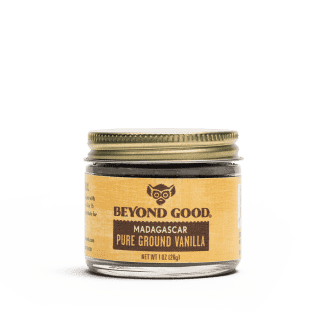
Winning Ground Vanilla—Beyond Good Madagascar Pure Ground Vanilla ($34.99 for 1-oz jar): “Very fresh,” “bold,” “nutty,” “notes of almond”
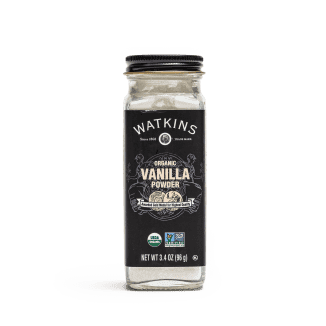
Winning Vanilla Powder—Watkins Organic Vanilla Powder ($11.65 for 3.4-oz jar): “Fairly mild,” “sweet,” “toasty,” and “nutty”
Vanilla Beans


What Are They?
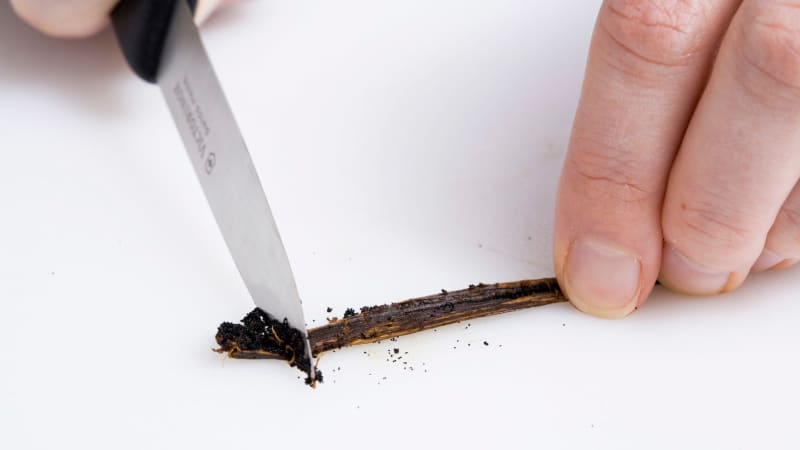
Vanilla beans are the fruits of the vanilla orchid. They consist of a pod that contains many tiny seeds and are cured before packaging. When purchasing vanilla beans, choose ones that look plump and moist. They should be stored in an airtight container away from light and heat. Vanilla beans lose their potency over time, so we recommend using them within one to two years of purchasing.
When to Use Them
Vanilla beans impart deeper and more nuanced flavors than other forms of vanilla, so use them in recipes where you want vanilla to be the most prominent/dominant flavor and/or when you want to see the vanilla seeds dispersed throughout. In recipes where we call for vanilla beans, including Classic Crème Brûlée, Buttermilk-Vanilla Panna Cotta with Berries and Honey, or Rich Vanilla Ice Cream, the seeds and the pod are added to the liquid ingredients before straining in order to extract as much vanilla flavor as possible from the beans.
Tasting Notes
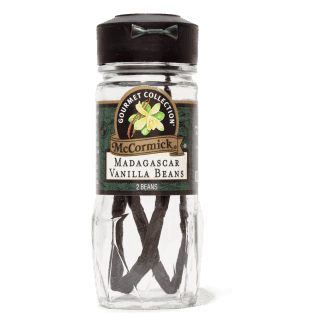
Winning Vanilla Beans—McCormick Gourmet All Natural Madagascar Vanilla Beans ($14.74 for jar of 2 beans): “Intensely flavored”; “most nuanced in the bunch”; “wood”; “almond”; “fermented fruit”
How Do Different Formats of Vanilla Compare in Price?
These products vary considerably in price, and some can be doled out of their jar or bottle over time, while others contain just enough to make a dessert or two. The chart here shows how much it would cost to substitute each product for 1 tablespoon of liquid vanilla extract in a recipe.