Many foods, from bread to cake to biscuits to pasta, contain gluten. Some people can’t tolerate gluten and need gluten-free flour to make their favorite foods at home.
Gluten is formed when glutenin and gliadin (proteins that are naturally present in flours made from wheat, barley, rye, and other grains) are mixed with water, bonding together to build structure. Glutenin provides strength and elasticity. Gliadin contributes extensibility, or the ability to stretch without breaking. No single-ingredient alternative flour, whether made from a nut, legume, or root, can replace wheat flour, so manufacturers have crafted blends to best approximate it. ATK’s own All-Purpose Gluten-Free Flour Blend recipe combines five ingredients to replicate all-purpose flour.

Our Gluten-Free Recipes
We cracked the code to making foods like lasagna, fried chicken, and chocolate chip cookies gluten-free. Find those recipes here, plus many others that are naturally gluten-free.
Get the RecipesTo find the best gluten-free flours, we made and tasted a range of baked goods using seven of the most widely available blends. We also spoke to ATK test cooks who developed recipes for How Can It Be Gluten-Free as well as gluten-free baking experts and bakery owners to understand the ingredients used in gluten-free flour and the best ways to bake with them.
The Three Kinds of Gluten-Free Flour Blends
The first thing we noticed: Buying gluten-free flour isn’t as simple as grabbing a bag off the shelf. In our research, we discovered three types of gluten-free flour, used in different ways.


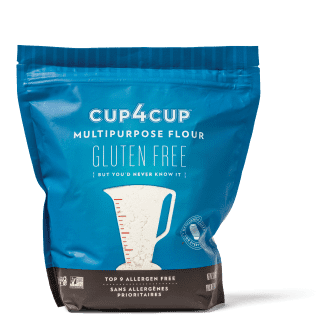
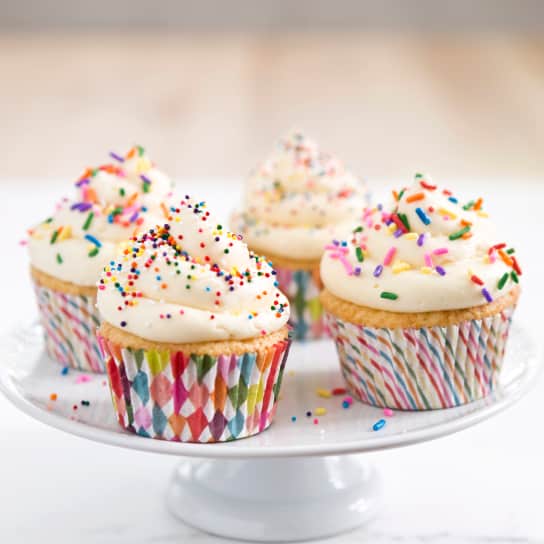
- Gluten-free 1-to-1 flour: Some products, which are typically marketed as “1-to-1,” can simply be swapped for wheat flour in conventional recipes. These blends typically contain xanthan gum. To test them, we made Quick and Easy Cream Biscuits and Kids Birthday Cupcakes.
- Gluten-free all-purpose flour: Some products are meant to be used in recipes specifically developed to be gluten-free. These recipes often call for xanthan gum separately in varying amounts depending on the baked good. We tested these in Gluten-Free Light and Fluffy Biscuits and Gluten-Free Lemon Pound Cake, in place of the ATK All-Purpose Gluten-Free Flour Blend we call for.
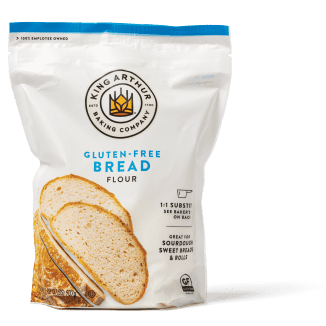
- Gluten-free bread flour: We found one product marketed as a gluten-free bread flour from King Arthur advertised as a 1-to-1 substitute. We started our testing with our No-Knead Rustic Loaf, simply swapping it for conventional bread flour, and progressed from there (more on that later).
What’s in Gluten-Free Flour?
Gluten-free flour blends endeavor to replicate two main factors of wheat flour: protein and starch.
Monica Glass, chef and co-owner of Verveine Cafe and Bakery in Cambridge, Massachusetts, has developed proprietary blends that combine a number of flours and other ingredients for use at her bakery, including her own brand of gluten-free flour, WLDFLR. “Brown rice flour is more of the bulking protein flour” that contributes a nutty flavor and hearty texture. White rice flour contains some protein, but its significant starch content helps lighten things, Glass explained. Potato starch, arrowroot starch, and tapioca starch serve similar purposes of adding a lightness and buoyancy to the final product. Dry milk powder lends an extra dose of protein without adding too much extra starch. Finally, xanthan gum and psyllium husk assist with binding and elasticity. We found that many of the products in our lineup contained some combination of these ingredients.


All the gluten-free flour blends we tried listed either rice flour or chickpea flour in their ingredients.
Aran Goyoaga, ATK editor in residence and author of the cookbook The Art of Gluten-Free Bread (September 2025), favors similar ingredients in her gluten-free baking. If you see tapioca starch as the first ingredient in a gluten-free flour, “that means whatever you’re going to make with it is going to end up being very white, very fluffy, very airy,” Goyoaga said. Conversely, a product with more whole grains like brown rice flour or sorghum may create a denser result, she explained. “It’s really about finding a ratio of those ingredients that work together.” You may also see flours made from beans and legumes, such as chickpeas or fava beans.

It’s really about finding a ratio of those ingredients [tapioca starch, brown rice flour, sorghum] that work together.
—Aran Goyoaga, ATK editor in residence and author of the forthcoming cookbook The Art of Gluten-Free Bread (September 2025)
How Is Gluten-Free Baking Different from Conventional Baking?
It’s not just the ingredients that vary in gluten-free flour but also the processes of using it. When making non-yeasted baked goods, like cakes and biscuits, with gluten-free flour, the steps are familiar: Mix dry ingredients, combine with wet ingredients, and bake.

When making yeasted baked goods, such as most breads, with gluten-free flour, the process is different. In conventional bread recipes, there are often multiple steps that develop the gluten structure, including kneading or folding. With gluten-free bread baking, you’re not developing gluten, so none of that physical manipulation is required. After mixing, the dough can be immediately shaped and proofed. Gluten-free flour typically contains more starch than conventional wheat flour, which necessitates higher hydration in both yeasted and nonyeasted baked goods. Because of the higher water content, you often have to bake gluten-free breads and pastries longer to drive off that moisture.
How to Pick the Right Gluten-Free Flour
When it comes to choosing a gluten-free flour, it’s important to match the flour to the recipe you’re making. Start by deciding what you want to bake and what kind of recipe you want to use.
For Conventional Baking Recipes
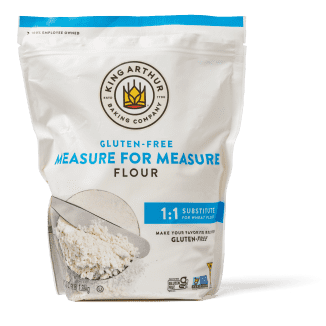
How to Shop: If you have a regular nonyeasted recipe you want to make gluten-free, look for flours with xanthan gum in their ingredient lists that advertise swapping their blend “1-to-1.”
What to Buy: Our tasters enjoyed the King Arthur Gluten-Free Measure for Measure Flour. It relies mostly on brown and white rice flours, yielding impressive biscuits and cupcakes that were moist and lofty, with minimal off-flavors.
For Gluten-Free Baking Recipes
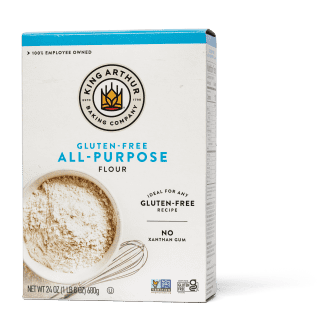
How to Shop: When making a nonyeasted recipe that was developed to be gluten-free and separately calls for ingredients like xanthan gum and psyllium husk, look for flours that don’t already contain either of these ingredients; doubling up on them may make your baked good excessively dense or gummy.
What to Buy: King Arthur Gluten-Free All-Purpose Flour impressed our tasters. This blend uses ingredients such as rice flour, tapioca starch, and potato starch, and it produced pound cake and biscuits that some tasters couldn’t tell were gluten-free. We strongly preferred it to a blend that contained predominantly garbanzo bean flour, which, unsurprisingly, had a distinctly beany flavor.
For Gluten-Free Bread Baking Recipes
How to Shop: We found only one gluten-free bread flour—King Arthur Gluten-Free Bread Flour. While it’s marketed as a simple swap in conventional yeasted baked goods and breads, we don’t recommend using it this way, at least not when you first start out; it requires significant tweaking, as we learned using it in our most popular conventional bread recipe, the No-Knead Rustic Loaf.

Instead, start with the recipe on the back of the King Arthur bag; it was specifically developed with this flour, and we achieved good results with it, baking a crusty rustic loaf that was moist with a moderately open crumb. Note: While this product’s inclusion of wheat starch enables a satisfying texture and lends a somewhat wheaty flavor, this means it’s not safe for those with wheat allergies.
- Taste 1-to-1 products in Quick and Easy Cream Biscuits and Kids Birthday Cupcakes
- Taste gluten-free all-purpose flours in Gluten-Free Light and Fluffy Biscuits and Gluten-Free Lemon Pound Cake
- Taste gluten-free bread flour in No-Knead Rustic Loaf and King Arthur’s Gluten-Free Artisan Bread
- Nutritional information is standardized for a 2-tablespoon serving
- Samples were randomized and assigned three-digit codes to prevent bias